Clear guidance on maca root
The Dangers of Maca: Who Should Avoid It?
Discover the potential risks of maca root and who should avoid it. Learn about its benefits and hormonal effects for informed health choices.

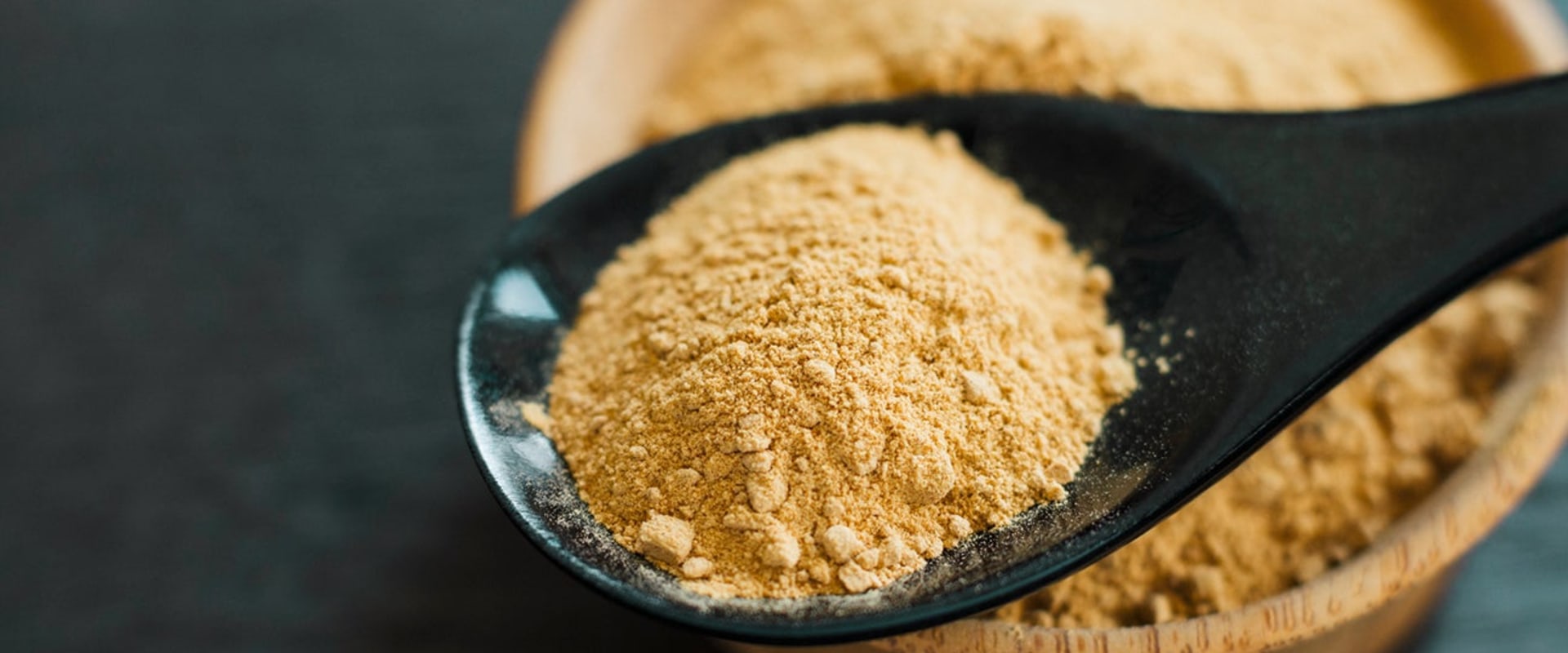
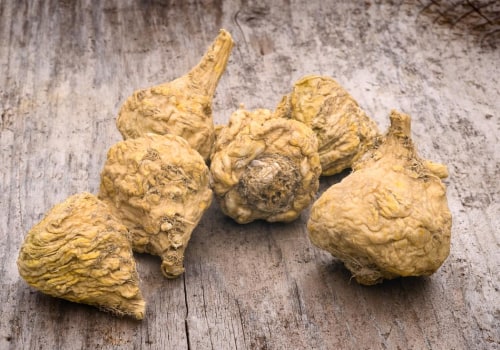
Maca root, scientifically known as Lepidium meyenii, is a cruciferous vegetable native to the high Andes of Peru. For centuries, it has been revered not only as a staple food but also as a powerful natural remedy. Traditionally, the indigenous people of the region have utilized maca for its potential health benefits, which range from enhancing energy levels to improving fertility. In recent years, maca has gained significant traction in the wellness community, becoming a popular supplement among those seeking to boost their overall health and vitality.
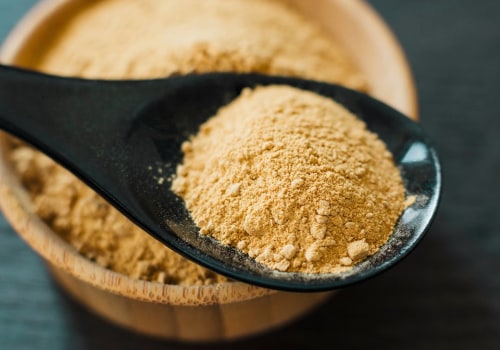
However, just as with any health trend, it's important to consider the disadvantages of a fitness tracker when evaluating your wellness journey. The root of the maca plant is typically dried and ground into a powder, which can be easily incorporated into smoothies, baked goods, or even taken in capsule form. This versatility has contributed to its widespread use as a dietary supplement. Many individuals are drawn to maca for its purported ability to enhance stamina, improve mood, and support hormonal balance. As more people become aware of these However, just as with any health trend, it's important to consider the disadvantages of a fitness tracker when evaluating your wellness journey. The root of the maca plant is typically dried and ground into a powder, which can be easily incorporated into smoothies, baked goods, or even taken in capsule form. This versatility has contributed to its widespread use as a dietary supplement. Many individuals are drawn to maca for its purported ability to enhance stamina, improve mood, and support hormonal balance. As more people become aware of these maca root benefits, it is essential to understand both its positive effects and the potential risks associated with its consumption. Despite its many advantages, maca is not suitable for everyone.
Understanding what maca is and how it works within the body is crucial for making informed decisions about its use. While many users report positive experiences, there are specific populations who may need to exercise caution or avoid maca altogether due to underlying health conditions or hormonal sensitivities. This article will delve deeper into the various maca root uses and highlight who should be wary of incorporating this powerful root into their diet.
Health Benefits of Maca Root
Maca root, a powerful adaptogen native to the Andes mountains, has gained significant attention for its numerous health benefits. This nutrient-rich root is often touted for its ability to enhance energy levels, improve hormonal balance, and promote overall wellness. One of the most celebrated maca root benefits is its potential to boost energy and stamina.Many individuals report increased vitality and reduced fatigue after incorporating maca into their diets. This effect is particularly beneficial for athletes and those with demanding lifestyles, as maca may help improve endurance and physical performance. In addition to energy enhancement, maca is known for its role in supporting hormonal balance. It contains compounds called glucosinolates, which can help regulate hormone production in the body. This makes maca a popular choice for individuals experiencing hormonal fluctuations due to stress, menopause, or other life changes.
By promoting a more stable hormonal environment, maca may alleviate symptoms such as mood swings, hot flashes, and menstrual irregularities. Furthermore, maca is rich in essential nutrients, including vitamins B, C, and E, as well as minerals like calcium, magnesium, and iron. These nutrients contribute to overall health by supporting immune function, enhancing mood, and improving cognitive function. The presence of antioxidants in maca also helps combat oxidative stress, which can lead to chronic diseases. For those seeking natural ways to enhance their well-being, incorporating maca into smoothies, oatmeal, or baked goods can be an easy and delicious option. However, it’s essential to start with small doses and gradually increase intake to assess individual tolerance. In summary, the health benefits of maca are vast and varied.
From boosting energy levels to supporting hormonal balance and providing essential nutrients, maca root offers a holistic approach to enhancing overall wellness. As with any supplement, it’s advisable to consult with a healthcare professional before adding maca to your routine to ensure it aligns with your health goals.
Potential Risks and Side Effects of Maca
While maca root is celebrated for its numerous health benefits, it is essential to recognize that it may not be suitable for everyone. Understanding the potential risks and side effects associated with maca consumption can help individuals make informed decisions about its use. One of the primary concerns regarding maca is its influence on hormonal balance. Maca has been shown to have an estrogen-like effect in the body, which can be beneficial for some but detrimental for others.Individuals with a history of hormone-sensitive conditions, such as:
- Breast cancer
- Uterine cancer
- Ovarian cancer
- Endometriosis
- Uterine fibroidsUterine fibroids
It is generally recommended that women planning to conceive discontinue maca at least three months prior to attempting pregnancy. For sexually active individuals, it is important to consider that maca's hormonal effects may impact contraceptive methods. Hormonal birth control could be less effective when combined with maca, so opting for non-hormonal contraceptive methods is advisable while using this supplement. Additionally, some users may experience gastrointestinal discomfort, including bloating or digestive upset, particularly when consuming high doses of maca. Starting with a lower dose and gradually increasing it can help mitigate these side effects. Lastly, individuals taking medications or other supplements should consult their healthcare provider before adding maca to their regimen. Interactions between maca and certain medications could lead to unintended consequences, making professional guidance essential.
Who Should Avoid Maca Root?
While maca root is celebrated for its numerous health benefits, it is crucial to recognize that certain individuals should refrain from using this supplement.Understanding who should avoid maca can help prevent potential health risks and ensure safe consumption.
Individuals with Hormone-Sensitive Conditions
One of the primary concerns regarding maca root is its potential impact on hormone levels. Maca has been shown to have estrogen-like effects, which can be beneficial for some but may pose risks for others. Individuals with hormone-sensitive conditions should exercise caution or avoid maca altogether. These conditions include:- Breast Cancer: Maca may exacerbate symptoms or interfere with treatment in individuals with a history of breast cancer.
- Uterine Cancer: Similar to breast cancer, those with uterine cancer may find that maca negatively affects their hormonal balance.
- Ovarian Cancer: The estrogenic properties of maca could potentially worsen the condition.
- Endometriosis: This painful condition is influenced by hormonal changes, and adding maca could complicate management.
- Uterine Fibroids: Women with fibroids should be cautious, as maca might stimulate growth due to its hormonal effects.
Pregnant and Nursing Women
The safety of maca during pregnancy and breastfeeding has not been thoroughly studied.Therefore, it is advisable for pregnant women to avoid maca root. The potential hormonal effects could pose risks to both the mother and the developing fetus. If you are nursing, it is also wise to consult a healthcare provider before considering maca supplementation.
Individuals on Hormonal Medications
If you are currently taking medications that affect hormone levels, such as birth control pills or hormone replacement therapy, it is essential to consult your healthcare provider before incorporating maca into your routine. The interaction between maca and these medications could lead to unintended side effects or reduced effectiveness of the treatment.Conclusion
In summary, while maca root benefits many individuals, those with hormone-sensitive conditions, pregnant or nursing women, and individuals on hormonal medications should approach its use with caution.Always consult a healthcare professional before starting any new supplement to ensure it aligns with your health needs and circumstances.
Maca's Hormonal Effects: A Closer Look
Maca root, a popular adaptogen, is often praised for its potential health benefits, particularly in enhancing energy and libido. However, its hormonal effects warrant careful consideration, especially for individuals with existing hormonal imbalances or conditions influenced by hormones. One of the most significant aspects of maca is its ability to mimic the effects of estrogen in the body. This estrogen-like effect can be beneficial for some, particularly those experiencing symptoms of menopause or hormonal fluctuations. However, for others, especially those with hormone-sensitive conditions, this property can pose risks.Understanding Maca's Hormonal Mechanism
Maca contains compounds known as glucosinolates and other phytonutrients that may influence hormone levels.These compounds can interact with the endocrine system, potentially leading to changes in estrogen and progesterone levels. For individuals with conditions such as:
- Breast cancer
- Uterine cancer
- Ovarian cancer
- Endometriosis
- Uterine fibroids
The Importance of Hormonal Balance
Maintaining hormonal balance is essential for overall health. For those who are not affected by hormone-sensitive conditions, maca may offer benefits such as improved mood and increased energy levels.However, it is vital to monitor how your body responds to maca and to be aware of any changes in your hormonal health. If you are currently taking medications for hormonal imbalances or are undergoing treatment for related conditions, discussing the use of maca with your healthcare provider is essential. They can provide personalized advice based on your health history and current medications. In summary, while maca root can offer various health benefits, its hormonal effects necessitate caution. Understanding how it interacts with your body’s hormonal landscape is crucial for making informed decisions about its use.
Consulting Healthcare Professionals Before Use
Before incorporating maca root into your daily routine, it is essential to seek guidance from a healthcare professional. This step is crucial for anyone considering the use of maca, especially those with pre-existing health conditions or those currently taking medications. Healthcare providers can offer personalized advice based on your unique health profile.They can assess whether maca is suitable for you, taking into account factors such as:
- Your medical history
- Current medications
- Any hormonal imbalances
- Specific health conditions, particularly those related to hormone sensitivity
Maca's estrogen-like effects may influence hormonal birth control methods, so understanding how to manage this interaction is crucial. In summary, consulting a healthcare professional before starting any new supplement regimen, including maca root, is a responsible approach. This ensures that you receive tailored advice that considers your health history and current circumstances, ultimately promoting safer and more effective use of natural supplements.
Alternatives to Maca Root for Health Benefits
For those seeking health benefits similar to those offered by maca root but are concerned about its potential risks, there are several alternatives worth considering. These options can provide energy, support hormonal balance, and enhance overall well-being without the complications associated with maca.1.Ashwagandha
Ashwagandha is an adaptogenic herb known for its ability to help the body manage stress. It has been shown to improve energy levels and enhance stamina, making it a great alternative for those looking for a natural boost.Additionally, ashwagandha may help balance hormones by reducing cortisol levels, which can be beneficial for individuals experiencing hormonal imbalances.
2.Rhodiola Rosea
Rhodiola rosea is another adaptogen that can enhance physical performance and reduce fatigue. This herb is particularly effective in improving mental clarity and focus, making it an excellent choice for those needing an energy lift without the jitteriness often associated with stimulants. Rhodiola also supports hormonal health by regulating stress responses.3.Ginseng
Ginseng, particularly Panax ginseng, is renowned for its energizing properties. It can help improve physical endurance and cognitive function.Ginseng also has a positive effect on hormonal balance, particularly in men, by supporting testosterone levels and enhancing libido.
4.Maca-Free Energy-Boosting Supplements
- B Vitamins: Essential for energy production, B vitamins can help combat fatigue and improve overall vitality.
- Caffeine Alternatives: Natural sources like green tea or yerba mate provide a gentle energy boost without the crash associated with coffee.
- Coenzyme Q10: This antioxidant plays a crucial role in energy production at the cellular level and can enhance physical performance.
5.Lifestyle Changes
In addition to supplements, certain lifestyle changes can significantly impact energy levels and hormonal balance:- Regular Exercise: Engaging in physical activity helps regulate hormones and boosts energy levels.
- Balanced Diet: Consuming a diet rich in whole foods, healthy fats, and lean proteins supports overall health and hormonal balance.
- Sufficient Sleep: Prioritizing quality sleep is essential for hormone regulation and energy restoration.
Frequently Asked Questions About Maca Root
As the popularity of maca root continues to rise, many individuals have questions regarding its safety, benefits, and potential side effects. Below are some of the most frequently asked questions about maca root.1.What is maca root?
Maca root is a cruciferous vegetable native to the Andes mountains in Peru. It has been used for centuries as a natural remedy for various health issues and is often consumed in powder form or as a supplement. Known for its adaptogenic properties, maca is believed to help the body adapt to stress and enhance overall well-being.2.What are the benefits of maca root?
Maca root is touted for a variety of health benefits, including:- Increased energy levels: Many users report enhanced stamina and reduced fatigue.
- Improved libido: Maca is often referred to as a natural aphrodisiac, with studies suggesting it may boost sexual desire.
- Hormonal balance: Some research indicates that maca can help regulate hormonal levels, particularly in women experiencing menopause.
- Mood enhancement: Maca may help alleviate symptoms of anxiety and depression due to its adaptogenic properties.
3.Is maca safe for everyone?
While maca is generally considered safe for most people, there are certain groups who should exercise caution:- Individuals with hormone-sensitive conditions: Those with conditions such as breast cancer, ovarian cancer, or endometriosis should consult a healthcare provider before using maca.
- Pregnant or breastfeeding women: Due to limited research on its effects during pregnancy and lactation, it is advisable to avoid maca during these periods.
- People taking hormone-related medications: Maca may interact with hormonal treatments, so discussing its use with a doctor is essential.
4.How should I take maca root?
Maca root can be consumed in various forms, including powder, capsules, or liquid extracts.The recommended dosage varies based on individual needs and health goals. It’s best to start with a small amount and gradually increase it while monitoring your body’s response.
5.Are there any side effects associated with maca?
Most people tolerate maca well; however, some may experience mild side effects such as digestive issues or headaches. If you notice any adverse reactions, it’s advisable to discontinue use and consult a healthcare professional. In conclusion, while maca root offers numerous potential benefits, it’s crucial to approach its use thoughtfully and consult with a healthcare provider if you have any concerns or pre-existing conditions.Conclusion: Weighing the Benefits Against the Risks
In conclusion, while maca root offers a variety of potential health benefits, it is essential to approach its use with caution and awareness of the associated risks. As discussed, maca is often praised for its ability to enhance energy levels, improve sexual function, and support hormonal balance.However, these benefits do not apply universally to everyone. Individuals with hormone-sensitive conditions, such as breast or ovarian cancer, should be particularly cautious. The estrogen-like effects of maca can exacerbate symptoms or interfere with treatment plans. Therefore, consulting a healthcare provider before incorporating maca into your routine is crucial for those with such medical histories. Moreover, pregnant women are advised to avoid maca due to the lack of comprehensive research on its safety during pregnancy. The potential risks to both the mother and the developing fetus warrant a conservative approach.
If you are planning to conceive, discontinuing maca at least three months prior to trying for a baby is recommended. For sexually active individuals, it is important to consider the implications of maca on hormonal birth control methods. The potential for maca to mimic estrogen may interfere with the effectiveness of hormonal contraceptives, making it wise to opt for non-hormonal methods during its use. Ultimately, the decision to use maca should be made after careful consideration of both its benefits and risks. Engaging in an open dialogue with your healthcare provider can help you make an informed choice that aligns with your health goals and personal circumstances. By weighing these factors thoughtfully, you can better navigate the complexities surrounding maca root and its role in your wellness journey.