Clear guidance on maca root
The Truth About Long-Term Use of Maca Root Supplements: Exploring the Benefits and Risks
Discover the truth about long-term maca root supplement use, exploring its benefits, potential risks, and how to incorporate it safely into your diet.

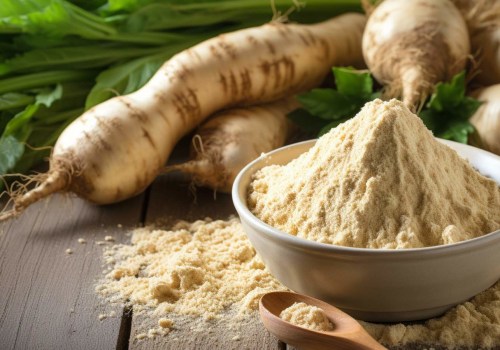
Maca root, scientifically known as Lepidium meyenii, is a cruciferous vegetable that has been cultivated in the high Andes of Peru for over 2,000 years. This remarkable root vegetable thrives in harsh conditions, growing at altitudes of up to 14,000 feet. Traditionally, it has been revered by indigenous cultures for its nutritional and medicinal properties, often referred to as "Peruvian ginseng" due to its adaptogenic qualities. The unique environment in which maca is grown contributes to its rich nutrient profile, making it a sought-after superfood in modern health circles. The nutritional composition of maca root is impressive.
It is packed with essential vitamins and minerals, including vitamin C, copper, and iron. Additionally, maca contains a variety of bioactive compounds such as glucosinolates and polyphenols, which are known for their antioxidant properties. One of the most notable aspects of maca is its high protein content—comprising about 10-14% of its weight—making it an excellent addition to vegetarian and vegan diets. Furthermore, maca is a source of dietary fiber and healthy fats, contributing to overall digestive health and well-being. Beyond its nutritional benefits, maca root has gained attention for its potential health benefits.
Research suggests that it may enhance energy levels, improve mood, and support hormonal balance. Many users report increased libido and improved sexual function after incorporating maca into their diets. These benefits have made maca a popular supplement among athletes and those seeking natural ways to boost their vitality. However, while the potential advantages are compelling, it is essential to approach long-term use with caution and awareness of possible side effects.
The Prominent Benefits of Maca Root Supplements
Maca root, a powerful adaptogen native to the Andes mountains of Peru, has gained significant attention for its numerous health benefits.This ancient superfood is not only celebrated for its nutritional profile but also for its potential to enhance overall well-being. Below, we explore some of the most prominent maca root benefits that have been supported by research and anecdotal evidence.
1.Energy Enhancement
One of the most sought-after benefits of maca root supplements is their ability to boost energy levels. Many users report increased stamina and reduced fatigue after incorporating maca into their daily routine. This effect is particularly beneficial for athletes and those with demanding lifestyles.
Research suggests that maca may help improve endurance and physical performance, making it a popular choice among fitness enthusiasts.
2.Libido Improvement
Maca root has long been associated with enhanced sexual desire and function. Studies indicate that both men and women who consume maca supplements experience an increase in libido. This effect may be attributed to maca's ability to balance hormones and improve overall reproductive health. For instance, a study involving men with mild erectile dysfunction found that those taking maca experienced significant improvements in sexual desire compared to a placebo group.
3.Hormonal Balance
Another notable benefit of maca root is its potential to support hormonal balance in both men and women.
Maca contains compounds known as glucosinolates, which may help regulate hormone production and metabolism. For women, this can be particularly advantageous during menopause, as maca has been shown to alleviate symptoms such as hot flashes and mood swings. Men may also benefit from improved testosterone levels, which can enhance energy, mood, and sexual health.
4.Mood Enhancement
In addition to physical benefits, maca root may also contribute to improved mental well-being. Some studies suggest that maca can help reduce symptoms of anxiety and depression, likely due to its adaptogenic properties that help the body manage stress more effectively.
Users often report feeling more balanced and less overwhelmed when incorporating maca into their diets.
5.Nutritional Profile
Maca root is rich in essential nutrients, including vitamins B, C, and E, as well as minerals like calcium, magnesium, and iron. This nutrient density contributes to its overall health benefits, supporting everything from immune function to bone health.
In conclusion, the health benefits of maca supplements are diverse and impactful. From enhancing energy levels to improving libido and promoting hormonal balance, maca root offers a natural solution for those seeking to boost their overall health and vitality. As always, it is advisable to consult with a healthcare provider before starting any new supplement regimen.
Maca Root and Hormonal Health: What You Need to Know
Maca root, a powerful adaptogen, has garnered attention for its potential to support hormonal balance in both men and women.This ancient Peruvian superfood is particularly noted for its effects on hormonal health, especially during significant life stages such as menopause and in relation to testosterone levels. For women experiencing menopause, maca root may offer a natural solution to alleviate some of the uncomfortable symptoms associated with this transition. Research suggests that maca can help reduce hot flashes, night sweats, and mood swings, which are common during menopause. The root is believed to work by supporting the endocrine system, thereby promoting a more balanced hormonal environment. While studies are still limited, anecdotal evidence from women who have incorporated maca into their diets indicates a noticeable improvement in their overall well-being during this challenging phase. In terms of testosterone levels , maca has been studied for its potential effects on male hormonal health.
Some research indicates that maca may help enhance libido and improve sexual function in men. Interestingly, while maca does not contain hormones itself, it is thought to stimulate the body’s own hormone production. This can be particularly beneficial for men experiencing low testosterone levels or those looking to boost their sexual health naturally. However, it is essential to approach the use of maca root with caution. Although it is generally considered safe for most individuals when taken in moderation, excessive consumption can lead to hormonal imbalances.
For those considering maca supplements, it is advisable to consult with a healthcare provider to determine the appropriate dosage and ensure it aligns with individual health needs. In summary, maca root presents promising benefits for hormonal health, particularly for women undergoing menopause and men seeking to enhance testosterone levels. As research continues to evolve, understanding the full scope of maca's impact on hormonal balance will be crucial for those looking to incorporate this supplement into their health regimen.
Potential Side Effects and Risks of Long-Term Maca Use
While maca root is celebrated for its numerous health benefits, it is essential to consider the potential side effects and risks associated with its long-term use. Understanding these factors can help individuals make informed decisions about incorporating maca supplements into their daily routines. One of the primary concerns regarding long-term maca use is its impact on hormone levels. Maca is known to influence hormonal balance, which can be beneficial for some individuals, particularly those experiencing hormonal fluctuations due to menopause or other conditions.However, for others, especially those with hormone-sensitive conditions, this effect could lead to complications. It is advisable for individuals with a history of hormone-related issues, such as breast cancer or prostate problems, to consult a healthcare provider before starting maca supplements. Another potential risk involves gastrointestinal discomfort. Some users have reported experiencing digestive issues such as bloating, gas, or diarrhea when taking maca supplements, particularly in higher doses. To mitigate these effects, it is recommended to start with a lower dosage and gradually increase it while monitoring the body’s response. Additionally, while rare, there have been reports of allergic reactions to maca root.
Symptoms may include skin rashes, itching, or respiratory issues. Individuals with known allergies to cruciferous vegetables should exercise caution when trying maca for the first time. Long-term use of maca may also lead to changes in libido and sexual function. While many people take maca to enhance libido and sexual performance, excessive consumption could potentially lead to overstimulation or hormonal imbalances that might negatively affect sexual health. Furthermore, there is limited research on the long-term safety of maca supplements. Most studies have focused on short-term effects, leaving a gap in knowledge regarding prolonged use.
Therefore, it is crucial for users to regularly assess their health and consult healthcare professionals if they notice any adverse effects. In summary, while maca root offers various health benefits, potential side effects and risks associated with long-term use should not be overlooked. Individuals considering maca supplements should approach them with caution and seek guidance from healthcare providers to ensure safe and effective use.
How to Incorporate Maca Root into Your Diet Safely
Incorporating maca root into your diet can be a rewarding experience, but it’s essential to do so safely and effectively. Here are some practical tips on how to take maca root, recommended dosages, and the best forms to include in your daily routine.Forms of Maca Root
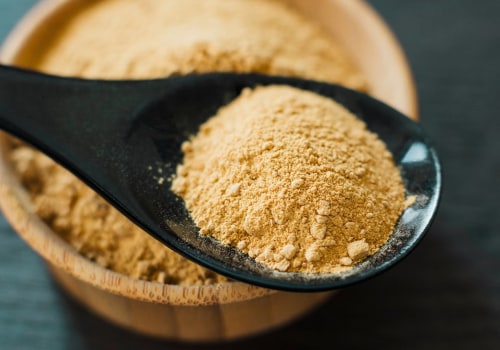
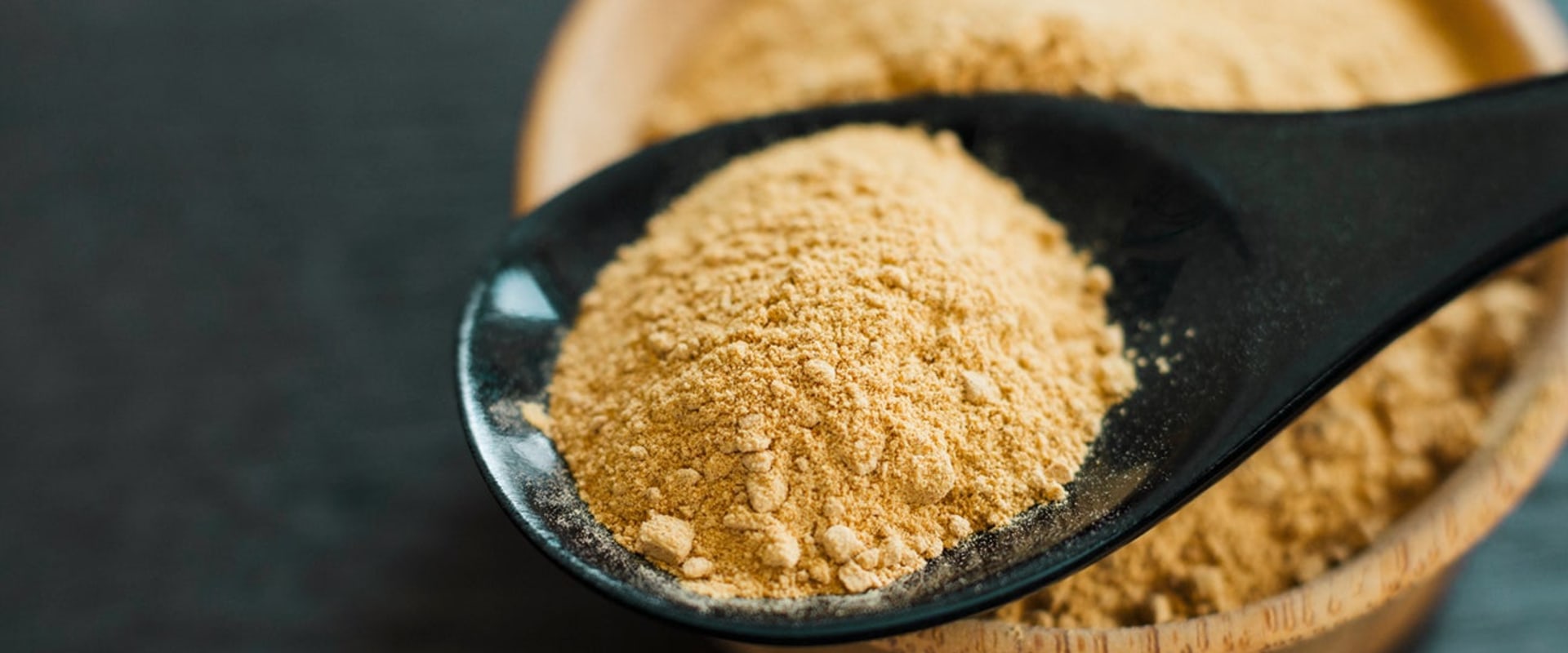
- Maca Powder: This is one of the most popular forms of maca. It can be easily added to smoothies, oatmeal, or baked goods.
The powder has a slightly nutty flavor that complements many recipes.
- Maca Capsules: For those who prefer convenience, maca is available in capsule form. This option is ideal for individuals who may not enjoy the taste of the powder or want a quick way to consume it.
- Maca Extract: Concentrated extracts are also available and may offer higher potency. However, it’s crucial to follow dosage recommendations closely when using extracts.
Recommended Dosage
The safe dosage of maca supplements can vary based on individual health needs and the form of maca being used. Generally, it is recommended to start with a lower dose and gradually increase it as your body adjusts.
Here are some guidelines:
- For Maca Powder: A typical starting dose is about 1 teaspoon (approximately 3 grams) per day. You can gradually increase this to 2-3 teaspoons as you become accustomed to its effects.
- For Capsules: Most capsules contain around 500 mg of maca. A common recommendation is to take 1-2 capsules daily, depending on the product's concentration.
- For Extracts: Follow the manufacturer’s instructions carefully, as extracts can vary significantly in potency.
Incorporating Maca into Your Diet
Here are some creative ways to incorporate maca root into your meals:
- Add maca powder to your morning smoothie for an energy boost.
- Mix it into yogurt or oatmeal for added nutrition.
- Bake it into muffins or energy bars for a healthy snack.
- Stir it into soups or sauces for a subtle flavor enhancement.
Research Insights: What Studies Say About Maca Root Supplements
Research on maca root supplements has gained traction in recent years, with numerous studies exploring its potential health benefits.While traditional use of maca dates back centuries, modern scientific inquiry aims to validate these claims through rigorous testing. One of the most notable areas of research focuses on maca's impact on sexual health. A systematic review published in the journal Evidence-Based Complementary and Alternative Medicine analyzed several studies and concluded that maca may improve sexual desire and function. In one randomized controlled trial, men who consumed maca for 12 weeks reported significant improvements in sexual dysfunction compared to a placebo group. This suggests that maca could be a natural alternative for those experiencing libido issues. Another area of interest is maca's effect on menopausal symptoms.
A study published in the Journal of Menopausal Medicine found that women taking maca experienced a reduction in hot flashes and night sweats. The participants reported improved overall well-being, indicating that maca might help alleviate some discomfort associated with menopause. Additionally, research has explored the potential cognitive benefits of maca. A study conducted on animals indicated that maca might enhance memory and learning capabilities. While human studies are still limited, these findings suggest that maca could play a role in supporting brain health. Furthermore, some studies have examined the effects of maca on mood and energy levels.
A clinical trial published in the Journal of Ethnopharmacology found that participants who took maca reported lower levels of anxiety and improved mood compared to those who did not consume it. This could be particularly beneficial for individuals dealing with stress or fatigue. Despite these promising findings, it is essential to approach the use of maca root supplements with caution. Most studies have been small-scale or short-term, highlighting the need for further research to establish long-term safety and efficacy. As always, consulting with a healthcare provider before starting any new supplement regimen is advisable. In summary, while preliminary research supports various maca root benefits, including enhanced sexual health, reduced menopausal symptoms, potential cognitive improvements, and mood enhancement, more extensive studies are necessary to confirm these effects and understand the mechanisms behind them.
Frequently Asked Questions About Maca Root Supplements
As the popularity of maca root supplements continues to grow, many individuals have questions regarding their safety, efficacy, and overall benefits.Below are some of the most frequently asked questions about maca root supplements.
1.What is maca root?
Maca root is a cruciferous vegetable native to the Andes mountains in Peru. It has been used for centuries by indigenous people for its nutritional and medicinal properties. Often referred to as a superfood, maca is rich in vitamins, minerals, and antioxidants.2.What are the primary benefits of taking maca root supplements?
- Increased energy levels: Many users report enhanced stamina and reduced fatigue.
- Improved libido: Maca is well-known for its potential to boost sexual desire in both men and women.
- Hormonal balance: Some studies suggest that maca may help alleviate symptoms associated with hormonal fluctuations, such as those experienced during menopause.
- Enhanced mood: Maca may contribute to improved mood and reduced anxiety levels.
3.Is maca safe for long-term use?
While maca is generally considered safe for most people when taken in moderation, it is advisable to limit its use to no more than 3 grams per day for up to four months. Long-term effects are still being studied, so consulting with a healthcare provider before starting any new supplement regimen is recommended.4.Are there any side effects associated with maca root?
Some individuals may experience mild side effects such as digestive issues, headaches, or changes in sleep patterns.In rare cases, maca can interfere with hormone levels, particularly testosterone. Monitoring your body's response when starting maca supplements is essential.
5.Can anyone take maca root supplements?
While most people can safely consume maca, those with hormone-sensitive conditions or individuals who are pregnant or breastfeeding should consult a healthcare professional before use. Additionally, if you are taking medications that affect hormone levels, it’s crucial to seek medical advice. In summary, while maca root supplements offer numerous potential benefits, it’s important to approach their use thoughtfully and informedly. Always consider personal health conditions and consult with a healthcare provider when necessary.Conclusion: Weighing the Benefits Against the Risks of Maca Root Supplements
In conclusion, the discussion surrounding maca root benefits and the potential risks associated with long-term supplementation is both complex and essential for anyone considering its use.While maca root has been celebrated for its numerous health advantages, including enhanced libido, improved energy levels, and potential relief from menopausal symptoms, it is crucial to approach its consumption with a balanced perspective. As highlighted throughout this article, the traditional use of maca in Peruvian culture has provided a foundation for its reputation as a superfood. However, modern supplementation practices often diverge from these traditional methods, leading to questions about safety and efficacy over extended periods. Here are some key points to consider:
- Short-Term Benefits: Many studies indicate that maca can effectively boost sexual desire and alleviate symptoms of fatigue, particularly in women. These benefits can be appealing for those seeking natural alternatives to enhance their well-being.
- Potential Risks: Despite its benefits, long-term use of maca root supplements may pose risks, particularly concerning hormonal balance.
Individuals should be cautious, especially if they have pre-existing conditions or are undergoing hormone replacement therapy.
- Consultation with Healthcare Providers: It is imperative to consult with a healthcare professional before starting any new supplement regimen. This is especially true for maca root, as individual health conditions and medications can influence how the body responds to it.
- Research Gaps: While preliminary studies show promise, more extensive research is needed to fully understand the long-term effects of maca root on human health. Current findings are often based on animal studies or short-term human trials.
Limiting intake to recommended dosages and monitoring any changes in health can help mitigate potential side effects. In summary, while maca root offers exciting possibilities for enhancing health and vitality, it is essential to remain informed and cautious. By understanding both the advantages and potential drawbacks of long-term use, individuals can make educated decisions that align with their health goals.