Clear guidance on maca root
The Truth About Maca: Safety and Benefits of Daily Consumption
Discover the safety and benefits of daily maca root consumption, including energy boost, hormonal balance, and enhanced sexual health.

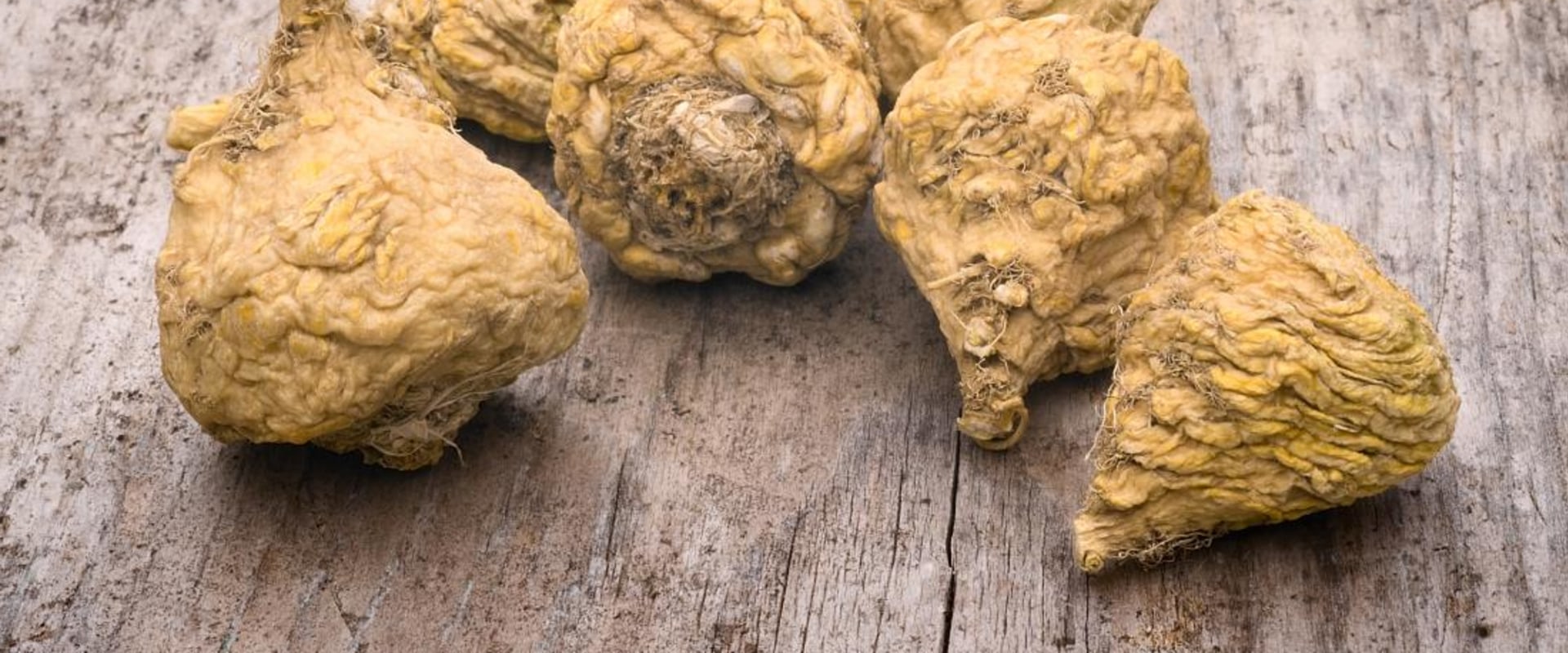
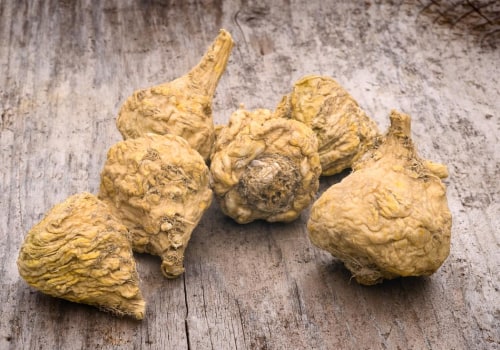
Maca root, scientifically known as Lepidium meyenii, is a remarkable plant native to the high Andes of Peru. For centuries, it has been revered not only as a staple food source but also for its medicinal properties. Traditionally, indigenous populations have utilized maca for its ability to enhance stamina, boost energy levels, and improve overall health. This ancient superfood has recently gained traction in the wellness community, with many people curious about the maca root benefits , particularly in alleviating body pain and enhancing vitality. The history of maca is rich and deeply intertwined with the culture of the Andean people. , particularly in alleviating body pain and enhancing vitality. The history of maca is rich and deeply intertwined with the culture of the Andean people.
Archaeological evidence suggests that maca has been cultivated for over 2,000 years, making it one of the oldest cultivated crops in the region. The root was often used in rituals and was considered a sacred gift from the earth. Its resilience in harsh climates and high altitudes has made it a symbol of strength and vitality among those who rely on it for sustenance. As we delve deeper into the world of maca, it’s essential to understand not only what this powerful root is but also the myriad of benefits it offers. From enhancing sexual health to improving mood and energy levels, the potential advantages of incorporating maca into your daily routine are vast.
However, with any supplement or superfood, it’s crucial to consider both its safety and efficacy. In this article, we will explore the various maca root benefits , its historical significance, and what you need to know before adding it to your diet.
Nutritional Profile of Maca Root
Maca root, a cruciferous vegetable native to the Andes mountains of Peru, is not only celebrated for its potential health benefits but also for its impressive nutritional profile. This superfood is rich in essential vitamins, minerals, and bioactive compounds that contribute to its status as a powerful dietary supplement. One of the standout features of maca root is its vitamin content. It contains several important vitamins, including:- Vitamin C: An antioxidant that supports the immune system and promotes skin health.
- B Vitamins: Maca is a source of various B vitamins, including B1 (thiamine), B2 (riboflavin), B3 (niacin), and B6 (pyridoxine), which are crucial for energy metabolism and brain function.
- Vitamin E: Known for its antioxidant properties, vitamin E helps protect cells from oxidative stress.
Some of the key minerals found in maca include:
- Calcium: Vital for bone health and muscle function.
- Iron: Important for oxygen transport in the blood and energy production.
- Zinc: Plays a role in immune function, protein synthesis, and wound healing.
- Magnesium: Supports muscle and nerve function, as well as energy production.
- Selenium: An essential trace mineral that acts as an antioxidant and supports thyroid function.
- Alkaloids: These compounds may help regulate hormonal balance and improve mood.
- Flavonoids: Known for their antioxidant properties, flavonoids can help reduce inflammation and support cardiovascular health.
- Saponins: These compounds may enhance immune function and have been linked to improved cholesterol levels.
Health Benefits of Daily Maca Consumption
Daily consumption of maca root has been linked to a variety of health benefits, making it a popular choice among those seeking natural ways to enhance their well-being. This ancient superfood, native to the Andes mountains of Peru, is not only rich in essential nutrients but also offers several specific advantages that can improve overall health.1.Increased Energy Levels
One of the most celebrated maca root health benefits is its ability to boost energy levels.
Many individuals report feeling more energetic and less fatigued after incorporating maca into their daily routine. This effect is likely due to the root's rich nutrient profile, which includes vitamins, minerals, and amino acids that support energy production in the body. Studies have shown that athletes and active individuals often use maca to enhance their stamina and endurance during workouts.
2.Enhanced Libido and Sexual Function
Maca has long been revered for its potential to enhance libido and improve sexual function in both men and women. Research indicates that regular consumption of maca may lead to increased sexual desire and improved performance.
In one study, men who took maca daily experienced significant improvements in sexual desire compared to those who received a placebo. This makes maca a natural alternative for those looking to boost their sexual health without resorting to pharmaceuticals.
3.Hormonal Balance
Another significant benefit of daily maca consumption is its potential role in promoting hormonal balance. Maca is thought to help regulate hormone levels, which can be particularly beneficial for women experiencing menopause or hormonal fluctuations. Some studies suggest that maca may alleviate symptoms such as hot flashes, mood swings, and sleep disturbances associated with menopause.
By supporting hormonal health, maca can contribute to overall well-being and quality of life.
4.Improved Mood and Mental Clarity
In addition to physical benefits, maca may also positively impact mental health. Some users report enhanced mood and reduced feelings of anxiety or depression after incorporating maca into their diet. The adaptogenic properties of maca help the body adapt to stress, potentially leading to improved mental clarity and focus throughout the day.
5.Nutrient-Rich Profile
Maca root is packed with essential nutrients, including vitamins B1, B2, C, and E, as well as minerals like calcium, magnesium, zinc, and iron. This nutrient density contributes not only to energy levels but also supports overall health by providing the body with the necessary building blocks for optimal function.
In conclusion, the daily consumption of maca can offer numerous health benefits ranging from increased energy levels and enhanced libido to improved hormonal balance and mood stabilization.
As with any supplement, it’s advisable to consult with a healthcare provider before starting a new regimen, especially for those with existing health conditions or concerns.
Maca and Sexual Health
Maca root has garnered attention for its potential benefits in enhancing sexual health, making it a popular choice among those seeking to improve their libido and overall sexual function. This ancient Peruvian superfood is not only celebrated for its nutritional profile but also for its ability to positively influence sexual well-being in both men and women.Maca for Libido
One of the most frequently discussed maca root benefits is its effect on libido. Research indicates that maca may help increase sexual desire, particularly in individuals experiencing low libido due to stress, hormonal imbalances, or other factors. In a study involving men with mild erectile dysfunction, participants who consumed maca daily reported significant improvements in sexual desire and overall satisfaction.Maca's Role in Sexual Health
Beyond just boosting libido, maca is believed to enhance various aspects of sexual health.For instance, it may improve stamina and energy levels, which can contribute to a more fulfilling sexual experience. Additionally, some studies suggest that maca can help balance hormone levels, which is crucial for maintaining healthy sexual function.
Maca and Fertility
Fertility is another area where maca shows promise. Research has indicated that maca may improve sperm quality and motility in men, which are essential factors for fertility. In women, maca has been linked to improved hormonal balance, potentially aiding those who are trying to conceive.By supporting reproductive health, maca can be a valuable addition to the diet of individuals looking to enhance their fertility.
How to Incorporate Maca into Your Diet
If you're considering adding maca to your routine for its sexual health benefits, it can be easily incorporated into various meals. Maca powder can be added to smoothies, oatmeal, or baked goods. Alternatively, maca supplements are available in capsule form for those who prefer a more convenient option. As with any supplement, it's essential to consult with a healthcare provider before starting maca, especially if you have underlying health conditions or are taking medications. Understanding the right dosage and ensuring it aligns with your health goals will help you maximize the potential benefits of this remarkable root.Maca's Role in Menopause Management
As women approach menopause, they often experience a range of symptoms that can significantly impact their quality of life.These symptoms may include hot flashes, night sweats, mood swings, and sleep disturbances. Many women are seeking natural remedies to help manage these changes, and maca root has emerged as a popular option.
Maca
, a root vegetable native to the Andes mountains in Peru, has been traditionally used for its health benefits, particularly in enhancing fertility and sexual health. Recent studies suggest that maca may also play a role in alleviating menopausal symptoms.
One of the key ways maca may assist during menopause is through its potential to support hormonal balance. Unlike hormone replacement therapy (HRT), which involves the administration of synthetic hormones, maca is thought to work by nourishing the endocrine system and promoting the body’s natural hormone production.
This can be particularly beneficial for women experiencing hormonal fluctuations during menopause. Research indicates that maca may help reduce the frequency and intensity of hot flashes. In a study involving postmenopausal women, those who consumed maca reported fewer hot flashes and improved overall well-being compared to those who did not take it. This effect is likely due to maca's adaptogenic properties, which help the body adapt to stress and maintain balance. Additionally, maca has been linked to improvements in mood and energy levels. Many women report feeling more energized and less anxious when incorporating maca into their daily routine.
This can be especially important during menopause when mood swings and fatigue are common complaints. For those considering adding maca to their diet, it is available in various forms, including powder, capsules, and extracts. It can be easily incorporated into smoothies, oatmeal, or baked goods. However, it is essential to consult with a healthcare provider before starting any new supplement regimen, especially for women with specific health concerns or those taking medications. In summary, while more research is needed to fully understand the extent of maca's benefits for menopausal symptoms, preliminary findings are promising. By supporting hormonal balance and potentially alleviating common symptoms such as hot flashes and mood swings, maca may offer a natural alternative for women navigating this significant life transition.
Safety Considerations When Consuming Maca
When considering the incorporation of maca into your daily routine, understanding its safety profile is essential.While maca root has been consumed for centuries, primarily in Peru, modern supplementation raises questions about its safety and potential side effects.
Is Maca Safe?
Research indicates that maca is generally safe for most individuals when taken in appropriate amounts. The typical recommended dosage ranges from 1.5 to 3 grams per day. This dosage has been shown to be effective in various studies without significant adverse effects. However, it is advisable to limit continuous use to no more than four months at a time due to the lack of extensive long-term studies.
Recommended Dosage of Maca
For those looking to add maca to their diet, starting with a lower dose and gradually increasing it can help assess tolerance.
Here are some general guidelines:
- Beginner: Start with 1.5 grams per day.
- Intermediate: Increase to 2-3 grams per day after one week if no side effects occur.
- Maximum: Do not exceed 3 grams per day unless advised by a healthcare professional.
Potential Side Effects
While maca is considered safe, some individuals may experience mild side effects, particularly when first introducing it into their diet. Common side effects include:
- Gastrointestinal discomfort, such as bloating or gas.
- Headaches, which may occur due to changes in hormone levels.
- Insomnia or sleep disturbances if taken in excessive amounts or too late in the day.
Choosing the Right Maca Supplement
When it comes to incorporating maca root into your daily routine, selecting the right supplement is crucial for maximizing its potential benefits. With a plethora of options available on the market, understanding what to look for can help you make an informed decision.1.Look for Organic Certification
Choosing organic maca root is essential to ensure that you are consuming a product free from harmful pesticides and chemicals.
Organic certification indicates that the maca has been grown and processed according to strict agricultural standards, which not only benefits your health but also supports sustainable farming practices.
2.Check the Source
Maca is native to the high altitudes of Peru, and its quality can vary significantly based on where it is sourced. Opt for supplements that specify their origin, ideally from reputable farms in Peru. This ensures that you are getting authentic maca root with its full spectrum of nutrients.
3.Choose the Right Form
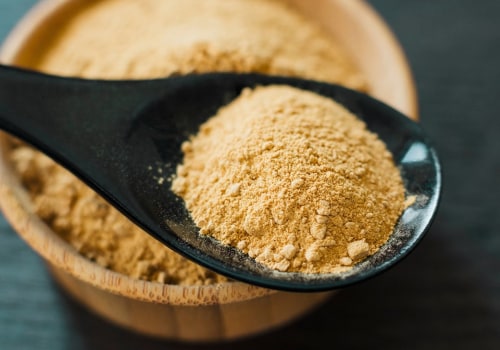
- Powdered Form: Maca powder can be easily added to smoothies, oatmeal, or baked goods. It offers versatility in how you can incorporate it into your diet.
-
Capsules or Tablets: If you prefer convenience, capsules or tablets may be a better option.
They provide a precise dosage without the need for preparation.
- Tinctures: Liquid extracts can offer faster absorption and may be easier for some individuals to digest.
4.Review Ingredient Lists
Always read the ingredient label carefully. The best maca supplements should contain minimal ingredients—ideally just pure maca root without fillers, additives, or artificial ingredients. This ensures that you are receiving the full benefits of the maca without any unnecessary substances.
5.Consider Different Varieties
Maca comes in several varieties, including yellow, red, and black maca, each with its unique set of benefits. For instance:
- Yellow Maca: Known for its general health benefits and energy-boosting properties.
- Red Maca: Often associated with hormonal balance and improved mood.
- Black Maca: May enhance stamina and support male fertility.
6.Research Brands
Before making a purchase, take time to research different brands.
Look for customer reviews and testimonials to gauge the effectiveness and quality of their products. Reputable brands often provide third-party testing results to verify their claims about purity and potency. By following these guidelines, you can confidently choose a high-quality maca supplement that meets your needs and supports your health journey effectively.
Frequently Asked Questions About Maca Root
As interest in maca root continues to grow, so do the questions surrounding its use, benefits, and safety. Here, we address some of the most frequently asked questions about maca to help clarify any misconceptions and provide valuable insights.1.What is maca root?
Maca root is a cruciferous vegetable native to the Andes mountains of Peru. It has been cultivated for thousands of years and is often referred to as a superfood due to its rich nutrient profile, which includes vitamins, minerals, and amino acids.Traditionally, it has been used for its potential health benefits, including enhancing energy levels and improving sexual function.
2.How should I consume maca?
Maca can be consumed in various forms, including powder, capsules, and liquid extracts. The powdered form is popular for adding to smoothies, oatmeal, or baked goods. It’s generally recommended to start with a small dose (about 1 teaspoon) and gradually increase it to assess tolerance.3.Are there any side effects associated with maca?
While maca is considered safe for most people when consumed in moderation, some individuals may experience mild side effects such as gastrointestinal discomfort or headaches. It’s advisable for pregnant or breastfeeding women to consult a healthcare provider before using maca.4.Can maca help with hormonal balance?
Many users report that maca may help support hormonal balance due to its adaptogenic properties.Some studies suggest that it can alleviate symptoms associated with menopause and improve libido in both men and women. However, more research is needed to fully understand its effects on hormonal health.
5.Is there a best time to take maca?
The best time to take maca can vary based on individual preferences and lifestyle. Some people prefer taking it in the morning for an energy boost throughout the day, while others may choose to consume it before workouts or in the evening. Experimenting with timing can help determine what works best for you.6.Are there any misconceptions about maca?
- Maca is a miracle cure: While maca offers several health benefits, it is not a substitute for medical treatment or a cure-all solution.
- All maca is the same: There are different varieties of maca (such as yellow, red, and black), each with unique properties and potential benefits.
- Maca has no side effects: Although rare, some individuals may experience side effects; it's essential to listen to your body.
Conclusion: The Bottom Line on Maca Root Benefits and Safety
In summary, the exploration of maca root benefits reveals a wealth of potential advantages for those considering its incorporation into their daily routine.From enhancing sexual function and libido to providing an energy boost and alleviating menopausal symptoms, maca has garnered attention for its multifaceted health properties. However, it is essential to approach its consumption with a balanced perspective. Research indicates that maca is generally safe for daily use, with recommended dosages typically not exceeding 3 grams per day. This makes it a viable option for individuals looking to enhance their overall well-being. Nevertheless, it is crucial to be mindful of the duration of use; experts suggest limiting maca supplementation to four months at a time due to the lack of extensive long-term studies. While the benefits of maca are promising, potential side effects should not be overlooked.
Although rare, some individuals may experience mild gastrointestinal discomfort or headaches. Pregnant women and those undergoing hormonal treatments should consult with healthcare professionals before starting maca supplementation to ensure safety. When selecting a maca supplement, quality matters. Opting for organic varieties and checking for third-party testing can help ensure that you are consuming a product free from contaminants and additives. Additionally, various forms of maca are available, including powders and capsules, allowing for flexibility in how you choose to incorporate it into your diet. Ultimately, while the current body of research supports the safety and potential benefits of maca root, further studies are needed to fully understand its long-term effects and efficacy.
As with any supplement, it is advisable to consult with a healthcare provider to tailor your approach based on individual health needs and goals.