Clear guidance on maca root
The Ultimate Guide to Taking Maca: Dosage, Benefits, and Precautions
Discover the benefits, dosage, and precautions of maca root. Learn how this superfood can enhance your health and well-being.

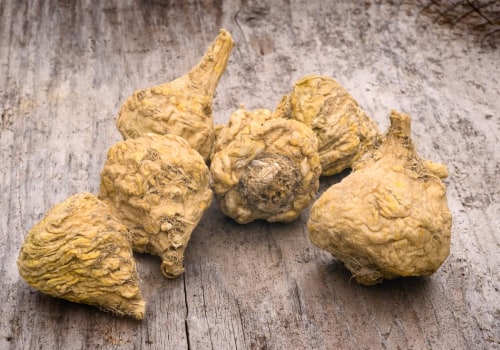
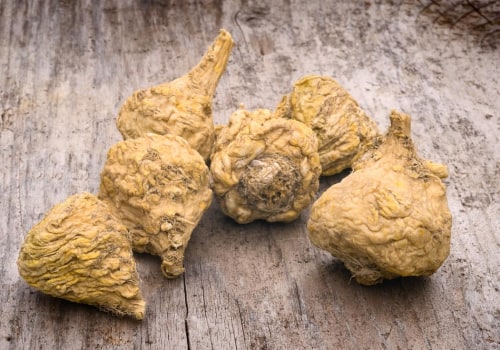
Maca root, scientifically known as Lepidium meyenii, is a remarkable cruciferous vegetable native to the high Andes of Peru. This resilient plant has been cultivated for over 2,000 years, primarily in the harsh conditions of the Peruvian mountains, where it thrives at altitudes exceeding 13,000 feet. Traditionally, maca has been revered not only as a food source but also for its medicinal properties, making it a staple in the diets of indigenous communities. Its unique ability to adapt to extreme environments has contributed to its status as a superfood, rich in nutrients and bioactive compounds. The historical significance of maca root extends beyond its nutritional value; it has been used in traditional medicine to enhance fertility, boost energy levels, and improve overall health.
Ancient cultures believed that maca could increase stamina and endurance, which is why it was often consumed by warriors before battles. Today, modern research is beginning to uncover the myriad of maca root benefits, including its potential to support hormonal balance, enhance mood, and improve sexual health. As interest in natural supplements continues to grow, maca has gained popularity worldwide as a powerful adaptogen. Adaptogens are substances that help the body adapt to stress and promote homeostasis. The unique combination of vitamins, minerals, and amino acids found in maca root contributes to its reputation as a natural remedy for various ailments.
In this guide, we will delve deeper into the numerous benefits of maca root, explore recommended dosages, and discuss important precautions to consider when incorporating this ancient superfood into your daily routine. In this guide, we will delve deeper into the numerous benefits of maca root, explore recommended dosages, and discuss important precautions to consider when incorporating this ancient superfood into your daily routine.
Understanding Maca: Types and Nutritional Profile
Maca, a root vegetable native to the Andes mountains of Peru, is celebrated not only for its adaptability to harsh climates but also for its diverse health benefits. Understanding the different types of maca and their unique nutritional profiles is essential for anyone looking to incorporate this superfood into their diet.Types of Maca
There are three primary types of maca, each distinguished by its color and nutritional composition:- Yellow Maca: This is the most common variety and is often used in supplements and food products. Yellow maca is known for its balanced nutritional profile, making it a great choice for general health and wellness.
-
Red Maca: Red maca is less common but has gained popularity due to its unique properties. It is often associated with improved bone health and increased libido.
Some studies suggest that red maca may also have antioxidant properties, which can help combat oxidative stress in the body.
- Black Maca: Known for its higher concentration of certain nutrients, black maca is often touted for its potential benefits in enhancing athletic performance and improving mood. It is believed to be particularly effective in boosting energy levels and stamina.
Nutritional Profile of Maca
The nutritional profile of maca varies slightly depending on the type, but all varieties are rich in essential nutrients:- Amino Acids: Maca contains all eight essential amino acids, making it a complete protein source. This is particularly beneficial for vegetarians and vegans looking to meet their protein needs.
- Vitamins and Minerals: Maca is a good source of vitamins such as B6, C, and E, as well as minerals like iron, calcium, magnesium, and potassium. These nutrients play vital roles in various bodily functions, including energy production and immune support.
- Fiber: The root is also high in dietary fiber, which aids digestion and helps maintain a healthy gut.
Whether you are looking to enhance your energy levels, improve your mood, or support overall wellness, incorporating the appropriate type of maca into your diet can provide significant benefits.
Health Benefits of Maca Root
Maca root, a powerful adaptogen native to the Andes mountains, has garnered attention for its numerous health benefits. This nutrient-rich root is not only a staple in traditional diets but also a popular supplement among those seeking to enhance their overall well-being. Below, we explore the various health benefits of maca root , focusing on its effects on energy levels, mood enhancement, hormonal balance, and sexual health.1.Energy and Stamina Boost
One of the most celebrated benefits of maca is its ability to increase energy and stamina. Many athletes and fitness enthusiasts incorporate maca into their routines to improve performance and endurance.
Research suggests that maca may enhance physical performance by increasing oxygen uptake during exercise, which can lead to improved stamina and reduced fatigue. This makes it an excellent natural alternative for those looking to boost their energy levels without relying on caffeine or other stimulants.
2.Mood Enhancement
Maca root is also known for its potential to improve mood and alleviate symptoms of anxiety and depression. Some studies indicate that maca may help regulate mood by balancing neurotransmitters in the brain, such as serotonin and dopamine. This can lead to a more stable emotional state and an overall sense of well-being.
For individuals experiencing stress or emotional fluctuations, incorporating maca into their diet may provide a natural way to enhance mood.
3.Hormonal Balance
Another significant benefit of maca is its role in promoting hormonal balance in both men and women. For women, maca has been shown to alleviate symptoms associated with menopause, such as hot flashes and mood swings, by supporting estrogen levels. For men, maca may help improve testosterone levels, which can enhance libido and overall sexual health. This hormonal balancing effect makes maca a valuable supplement for those experiencing hormonal imbalances due to age or other factors.
4.Sexual Health
Maca has long been regarded as a natural aphrodisiac, with numerous studies supporting its effectiveness in enhancing sexual desire and function.
Both men and women have reported increased libido after incorporating maca into their diets. Additionally, some research suggests that maca may improve sperm quality in men, further contributing to reproductive health. In conclusion, the health benefits of maca root are extensive and varied, making it a valuable addition to any health regimen. From boosting energy levels and enhancing mood to promoting hormonal balance and improving sexual health, maca offers a holistic approach to wellness that can benefit both men and women alike.
Dosage Recommendations for Maca
When considering how to incorporate maca into your daily routine, understanding the appropriate dosage is crucial for maximizing its benefits while minimizing potential side effects. The recommended dosage can vary based on the form of maca you choose, as well as your individual health needs and goals.Maca Powder Dosage
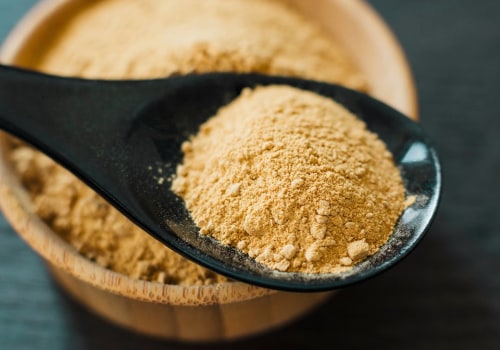
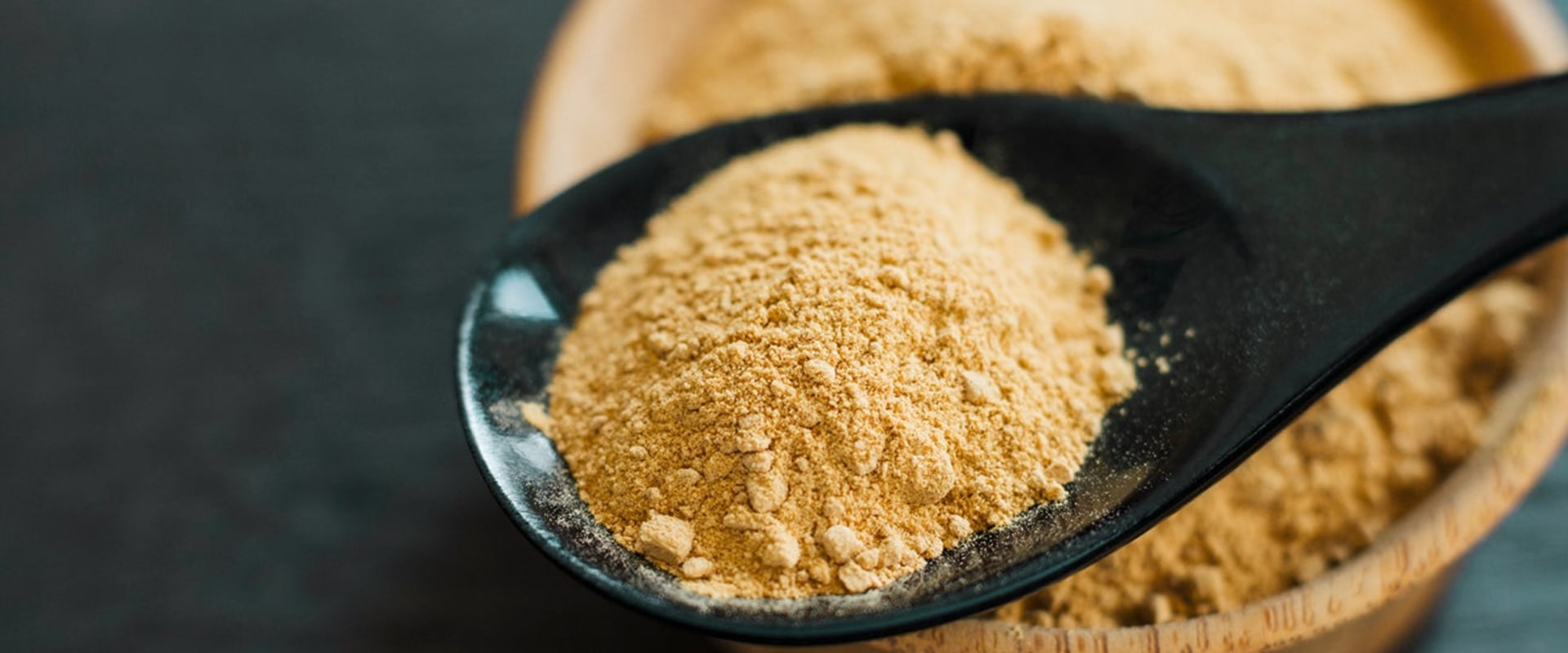
Maca powder is one of the most popular forms of this superfood.For those new to maca, starting with a lower dose is advisable to assess tolerance. A typical starting dosage is:
- 1 teaspoon (about 5 grams) per day for beginners.
- 1 to 2 tablespoons (15-30 grams) per day for general health benefits.
Maca Capsules Dosage
If you prefer a more convenient option, maca capsules are widely available. The dosage for capsules typically ranges from:- 500 mg to 1,000 mg per capsule .
- 2 to 6 capsules per day , depending on the concentration of the product.
Individual Considerations
Your personal health status and goals should also guide your maca intake.For instance:
- If you are looking to enhance energy levels or athletic performance, higher doses may be beneficial.
- For those seeking hormonal balance or mood enhancement, a moderate dose may suffice.
- Pregnant or breastfeeding women should consult a healthcare provider before starting maca.
How to Take Maca: Best Practices
When it comes to incorporating maca into your daily routine, understanding the best practices for consumption can significantly enhance its benefits. Here are some key considerations for optimizing your experience with this powerful root.Timing: With or Without Food?
The timing of when you take maca can influence its effectiveness. Many experts recommend taking maca on an empty stomach, as this may facilitate quicker absorption into the bloodstream.Consuming it first thing in the morning can be particularly beneficial, allowing you to harness its energy-boosting properties throughout the day. However, if you experience any digestive discomfort when taking maca alone, consider consuming it with food. Pairing maca with a meal can help mitigate any potential gastrointestinal issues while still allowing you to enjoy its health benefits.
Preparation Methods: Powder vs. Capsules
Maca is available in various forms, each with its own advantages:- Maca Powder: This form is versatile and can be easily added to smoothies, oatmeal, or baked goods. It allows for greater flexibility in dosage and can be mixed with other ingredients to enhance flavor and nutrition.
-
Maca Capsules: For those who prefer convenience, capsules offer a quick and easy way to consume maca without the need for preparation.
They are ideal for on-the-go lifestyles but may not provide the same level of versatility as powder.
Maximizing Absorption
To further enhance the absorption of maca in your body, consider these tips:- Combine with Healthy Fats: Consuming maca with healthy fats, such as avocado or nut butter, can improve nutrient absorption due to the fat-soluble nature of some of its beneficial compounds.
- Stay Hydrated: Drinking plenty of water throughout the day can aid digestion and help your body process nutrients more effectively.
- Avoid Mixing with Certain Foods: If you notice digestive issues after taking maca, try avoiding mixing it with high-sugar foods or fruit juices, as these can speed up digestion and potentially lead to discomfort.
Potential Side Effects and Precautions
While maca root is widely regarded as a safe and beneficial supplement, it is essential to be aware of potential side effects and precautions before incorporating it into your routine. Understanding these aspects can help you make informed decisions about your health and wellness.Common Side Effects
- Digestive Issues: Some individuals may experience gastrointestinal discomfort, including bloating, gas, or diarrhea, particularly when consuming raw maca. To mitigate these effects, consider starting with a smaller dose and gradually increasing it.
-
Hormonal Changes: Maca is known for its potential effects on hormone levels. While many people benefit from these changes, some may experience symptoms such as mood swings or changes in menstrual cycles.
If you have a history of hormone-sensitive conditions, consult your healthcare provider before use.
- Insomnia: Due to its energizing properties, maca may cause sleep disturbances in some individuals if taken too close to bedtime. It is advisable to consume maca earlier in the day to avoid this issue.
- Allergic Reactions: Although rare, some people may have an allergic reaction to maca. Symptoms can include itching, rash, or difficulty breathing. If you experience any of these symptoms after taking maca, discontinue use immediately and seek medical attention.
Precautions When Taking Maca
- Consult with a Healthcare Provider: Before starting any new supplement, including maca, it is crucial to discuss it with your healthcare provider, especially if you are pregnant, nursing, or have underlying health conditions.
-
Avoid Excessive Dosage: Stick to the recommended dosage of 1,500-3,000 mg per day.
Taking more than this amount does not necessarily enhance benefits and may increase the risk of side effects.
- Monitor Your Body's Response: Pay attention to how your body reacts after taking maca. If you notice any adverse effects or unusual symptoms, consider adjusting your dosage or discontinuing use altogether.
- Consider Your Medications: If you are on medications that affect hormone levels or have other health concerns, consult your doctor about potential interactions with maca.
Is Maca Safe?
In general, maca is considered safe for most people when taken in appropriate doses. Its long history of use in traditional medicine supports its safety profile. However, individual responses can vary significantly.
Therefore, being proactive about understanding how your body reacts and seeking professional advice when necessary is key to safely enjoying the benefits of this powerful root.
Maca and Hormonal Health: What You Need to Know
Maca root, a powerful adaptogen, has garnered attention for its potential effects on hormonal balance in both men and women. Understanding how maca interacts with hormones is essential for those considering it for reproductive health or hormonal issues.Effects of Maca on Hormones
Maca is believed to influence hormonal health through its unique composition of bioactive compounds, including alkaloids and glucosinolates. These compounds may help regulate the endocrine system, which is responsible for hormone production and balance. While maca does not contain hormones itself, it is thought to support the body’s natural hormone production. Research indicates that maca may have a positive impact on testosterone levels in men.
A study published in the journal Andrologia found that men who consumed maca experienced an increase in libido and improved sexual function. This suggests that maca may enhance male fertility by promoting healthy testosterone levels.
For women, maca has been linked to alleviating symptoms associated with hormonal fluctuations, such as those experienced during menopause. Some studies suggest that maca can help reduce hot flashes and improve mood, potentially due to its adaptogenic properties that help the body cope with stress.
Maca and Fertility
The relationship between maca and fertility is particularly noteworthy. In traditional medicine, maca has been used to enhance fertility for centuries.
Modern research supports this notion, indicating that maca may improve sperm quality and motility in men, which are critical factors for fertility.
In women, maca may help regulate menstrual cycles and improve overall reproductive health. By balancing hormones, it can potentially enhance ovulation and increase the chances of conception. However, while many anecdotal reports exist regarding maca's benefits for fertility, more extensive clinical studies are needed to fully understand its effects.
Conclusion
In summary, maca root appears to offer several benefits related to hormonal health, including potential improvements in testosterone levels for men and relief from menopausal symptoms for women. Its role in enhancing fertility further underscores its significance as a natural supplement for those looking to support their reproductive health.
As always, individuals should consult with healthcare professionals before starting any new supplement regimen, especially if they have existing hormonal concerns or conditions.
Maca in Traditional Medicine vs. Modern Research
Maca root, known scientifically as Lepidium meyenii, has a rich history of use in traditional medicine, particularly among the indigenous peoples of the Andes mountains in Peru. For centuries, these communities have revered maca not only as a food source but also for its purported health benefits. Traditionally, maca has been used to enhance fertility, boost energy levels, and improve overall vitality.The root was often consumed in various forms, including as a powder mixed into foods or brewed into teas. In addition to its role in enhancing reproductive health, traditional uses of maca also include its application as a remedy for various ailments. Indigenous cultures have utilized maca to alleviate symptoms of menopause, improve mood, and combat fatigue. The root's adaptogenic properties are believed to help the body cope with stress and maintain balance. As we transition into modern times, scientific research has begun to explore the claims surrounding maca's health benefits more rigorously. Recent studies have focused on understanding the biochemical compounds present in maca and their potential effects on human health.
Research has indicated that maca may positively influence sexual desire and function in both men and women. A systematic review published in the journal Evidence-Based Complementary and Alternative Medicine highlighted that several studies found significant improvements in sexual function among participants who consumed maca supplements. Moreover, modern research has also examined maca's potential role in enhancing mood and cognitive function. Some studies suggest that maca may help reduce symptoms of anxiety and depression, likely due to its adaptogenic properties that support the body's response to stress. However, while traditional uses of maca are well-documented, modern research is still in its early stages, and more extensive clinical trials are needed to fully validate these benefits. In summary, the contrast between traditional uses of maca and modern scientific research illustrates a fascinating journey from ancient practices to contemporary health discussions.
While indigenous cultures have long recognized the value of this root for various health benefits, ongoing research aims to uncover the underlying mechanisms and validate these historical claims with empirical evidence.
FAQs About Maca Root
As interest in maca root continues to grow, many people have questions about its benefits, uses, and safety. Below are some of the most frequently asked questions regarding maca root, aimed at providing clarity and enhancing your understanding of this powerful superfood.What is maca root?
Maca root is a cruciferous vegetable native to the Andes mountains in Peru. It has been cultivated for thousands of years and is often referred to as a superfood due to its rich nutritional profile. Maca is available in various forms, including powder, capsules, and extracts, making it easy to incorporate into your diet.What are the health benefits of maca root?
Maca root is celebrated for its numerous health benefits, which include:- Enhanced energy levels: Many users report increased stamina and energy when taking maca.
- Improved mood: Some studies suggest that maca may help alleviate symptoms of anxiety and depression.
- Boosted libido: Maca has been traditionally used as an aphrodisiac and may enhance sexual desire in both men and women.
- Hormonal balance: Maca may help regulate hormonal levels, which can be beneficial for women experiencing menopause or menstrual irregularities.
Is maca good for you?
Yes, maca is generally considered safe for most people when consumed in moderation.It is packed with essential nutrients such as vitamins, minerals, and amino acids. However, individual responses can vary. It’s advisable to consult with a healthcare provider before starting any new supplement regimen, especially if you have underlying health conditions or are pregnant or breastfeeding.
How should I take maca?
The recommended dosage of maca varies depending on the form you choose. Generally, a daily intake of 1,500 to 3,000 mg is suggested.You can mix maca powder into smoothies, oatmeal, or baked goods for easy consumption. If you prefer capsules or extracts, follow the manufacturer's instructions for dosage.
Are there any side effects associated with maca?
Maca is well-tolerated by most individuals; however, some may experience mild digestive issues such as bloating or gas. If you encounter any adverse effects, consider reducing your dosage or switching to gelatinized maca, which is easier on the digestive system. In summary, understanding these common questions about maca root can help you make informed decisions about incorporating it into your health regimen. Whether you're looking to boost your energy levels or improve your overall well-being, maca root offers a variety of potential benefits worth exploring.Conclusion: Embracing the Benefits of Maca Root Safely
In conclusion, the journey of incorporating maca root into your wellness routine can be both rewarding and enlightening.As we have explored throughout this guide, maca offers a plethora of potential benefits that can enhance various aspects of health, from boosting energy levels to improving mood and supporting sexual health. However, it is crucial to approach this powerful root with a balanced perspective. Understanding the benefits of maca root is essential, but equally important is recognizing the precautions necessary for safe consumption. Here are some key takeaways:
- Maca is generally safe: Most individuals can consume maca without adverse effects, especially when adhering to recommended dosages.
- Consultation is key: Always consult with a healthcare provider before starting any new supplement, particularly if you have existing health conditions or are taking medications.
- Dosage matters: The standard dosage ranges from 1,500 to 3,000 mg per day. It’s advisable to start at the lower end and gradually increase as needed.
- Form selection: Choose between powdered, gelatinized, or capsule forms based on your digestive comfort and lifestyle preferences.
- Monitor your body’s response: Pay attention to how your body reacts to maca and adjust your intake accordingly.
Whether you are seeking to enhance your energy levels, support hormonal balance, or simply explore a new addition to your diet, maca can be a valuable ally in your health journey. As you consider integrating maca into your daily routine, remember that knowledge is power. Stay informed about the latest research and developments regarding maca root benefits and safety. This proactive approach will not only enhance your experience but also empower you to share valuable insights with others who may benefit from this remarkable superfood.