Clear guidance on maca root
Understanding the Impact of Discontinuing Maca Root: Effects on Your Body and Health
Discover the potential effects of discontinuing maca root intake on hormonal balance, energy levels, and libido. Learn how to transition safely.

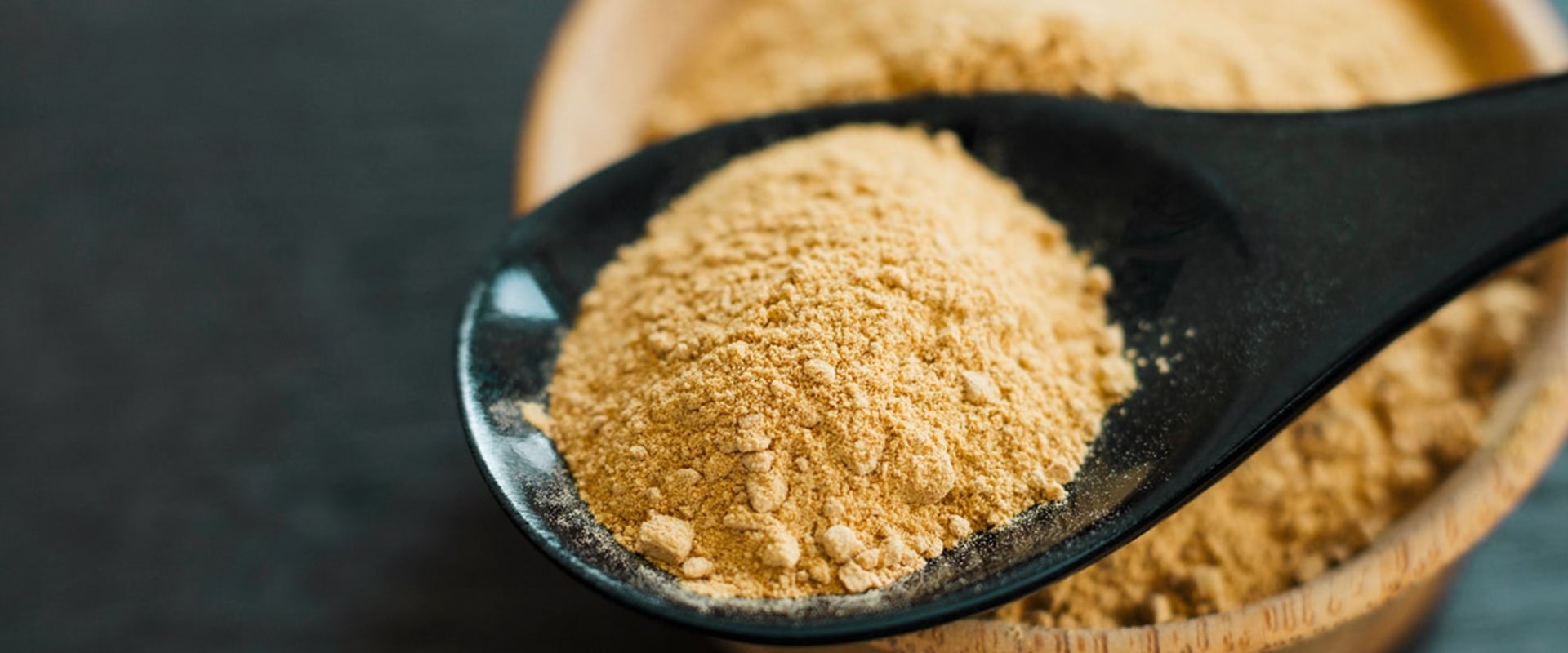
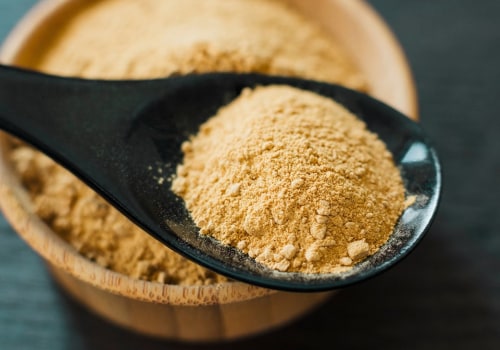
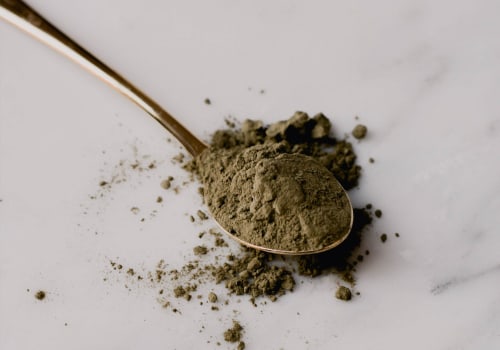
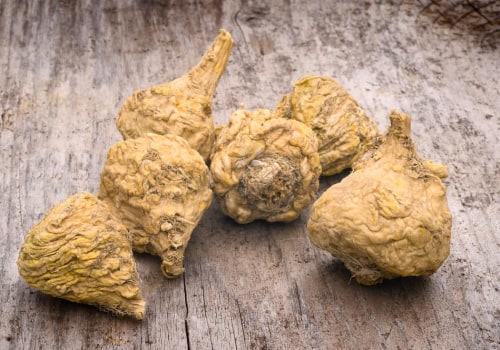
Maca root, scientifically known as Lepidium meyenii, is a nutrient-rich tuber native to the high Andes mountains of Peru. For centuries, indigenous cultures have revered this powerful root for its remarkable health benefits and adaptogenic properties. Often referred to as a superfood, maca has gained significant popularity in recent years, particularly among those seeking natural solutions to enhance their overall well-being. The root is typically available in powder form, making it easy to incorporate into smoothies, baked goods, and various dishes. The health benefits of maca are extensive and varied, attracting individuals from all walks of life.
Many people turn to maca for its potential to boost energy levels, improve stamina, and enhance athletic performance. Additionally, it is widely recognized for its ability to support hormonal balance, making it a popular choice among women experiencing menopausal symptoms or menstrual irregularities. Furthermore, maca is often touted for its positive effects on libido and sexual function, leading many to consider it a natural aphrodisiac. As more individuals explore the advantages of incorporating maca into their daily routines, it becomes essential to understand not only the benefits but also the implications of discontinuing its use. While many experience positive changes during maca intake, stopping suddenly can lead to various physiological responses that may affect energy levels, hormonal balance, and overall health.
This article delves into the potential effects of ceasing maca consumption and highlights the importance of responsible usage for optimal health outcomes.
The Role of Maca in Hormonal Balance
Maca root, a powerful adaptogen, has garnered attention for its potential to influence hormonal balance in the body. This ancient Peruvian superfood is rich in essential nutrients and bioactive compounds that can modulate hormonal levels, making it a popular choice for those seeking to enhance their overall hormonal health. One of the most notable effects of maca is its ability to support the production of testosterone and estrogen. Research suggests that maca may help increase testosterone levels in men, which can lead to improved libido, energy, and muscle mass. This is particularly beneficial for men experiencing age-related declines in testosterone.In women, maca has been shown to help balance estrogen levels, which can alleviate symptoms associated with hormonal fluctuations during menstruation and menopause. Moreover, maca's impact on hormonal health extends beyond just testosterone and estrogen. It also plays a role in regulating other hormones such as cortisol, the stress hormone. By helping to manage stress levels, maca can indirectly support a healthier hormonal environment. Chronic stress can lead to hormonal imbalances that affect everything from mood to metabolism. For individuals concerned about their hormonal health , understanding how maca interacts with these hormones is crucial.
Here are some key points to consider:
- Maca and Testosterone: Studies indicate that regular intake of maca may enhance testosterone production without causing significant side effects.
- Maca and Estrogen: For women, maca can help stabilize estrogen levels, potentially reducing symptoms like hot flashes and mood swings.
- Adaptogenic Properties: As an adaptogen, maca helps the body adapt to stressors, which can lead to improved overall hormonal balance.
Effects of Stopping Maca Intake on Hormonal Levels
When individuals decide to stop taking maca, they may experience a range of effects, particularly concerning their hormonal levels. Maca is known for its ability to influence hormone production, and discontinuing its intake can lead to noticeable changes in the body.Hormonal Fluctuations
One of the primary effects of stopping maca is the potential for hormonal fluctuations.
Maca root is often used to help balance hormones, especially in individuals experiencing hormonal imbalances due to stress, menopause, or other factors. When maca is removed from the diet, the body may initially react with a period of adjustment as it recalibrates its hormone levels without the influence of this adaptogenic herb. For instance, individuals who have relied on maca for its estrogenic effects may notice a decrease in estrogen levels after discontinuation. This can lead to symptoms such as:
- Hot flashes
- Night sweats
- Mood swings
- Irregular menstrual cycles
Maca Withdrawal Symptoms
While maca is not considered addictive, some users report experiencing mild withdrawal symptoms upon cessation. These symptoms can vary widely among individuals but may include:
- Fatigue or decreased energy levels
- Changes in libido
- Mood disturbances such as irritability or anxiety
- Difficulty concentrating
It’s essential for individuals to be aware of these potential changes and to approach the discontinuation of maca thoughtfully.
Monitoring Your Body's Response
If you decide to stop taking maca, it’s advisable to monitor your body’s response closely. Keeping a journal of any changes in mood, energy levels, and physical symptoms can provide valuable insights into how your body is adjusting. Consulting with a healthcare professional can also help manage any adverse effects and ensure that your hormonal health remains stable during this transition.
Impact on Energy Levels After Discontinuing Maca
When individuals decide to stop taking maca, one of the most noticeable changes they may experience is a shift in their energy levels. Maca root, known for its potential to enhance vitality and stamina, has been a popular supplement for those seeking an energy boost.However, discontinuing its intake can lead to various effects on energy that are worth exploring.
Immediate Effects on Energy Levels
Upon stopping maca, many users report an initial dip in their energy levels. This can be attributed to the body adjusting to the absence of the nutrients and compounds found in maca that contribute to increased energy. Maca is rich in essential vitamins and minerals, including B vitamins, which play a crucial role in energy metabolism. Without these nutrients, individuals may feel more fatigued or lethargic shortly after discontinuation.
Long-Term Impacts on Vitality
In the long run, the effects of stopping maca can vary significantly from person to person.
Some may find that their energy levels stabilize after an adjustment period, while others might continue to experience lower vitality. This variability can depend on several factors:
- Dietary Habits: If an individual’s diet lacks other sources of energy-boosting nutrients, the absence of maca may be more acutely felt.
- Physical Activity: Those who engage in regular exercise may notice a more pronounced drop in energy levels when they stop taking maca, as their bodies are accustomed to the enhanced stamina it provides.
- Overall Health: Pre-existing health conditions or lifestyle factors can also influence how one’s body reacts to stopping maca.
Adjusting to Life Without Maca
While some individuals may experience a temporary decline in energy after ceasing maca intake, it is essential to recognize that the body is capable of adapting over time. Many people find that by focusing on a balanced diet rich in whole foods, staying hydrated, and maintaining regular physical activity, they can regain their energy levels without relying solely on supplements like maca. In conclusion, while stopping maca can lead to an initial drop in energy levels due to the absence of its beneficial compounds, individuals can mitigate these effects through mindful lifestyle choices. Understanding how your body responds to such changes is crucial for maintaining optimal vitality and stamina.
Maca's Influence on Libido and Sexual Health
Maca root, a powerful adaptogen, has been widely recognized for its potential to enhance libido and improve overall sexual health.This ancient Peruvian superfood is often touted for its ability to boost sexual desire and performance, making it a popular choice among those seeking natural remedies for sexual dysfunction. Research suggests that maca may influence sexual health through several mechanisms:
- Hormonal Balance: Maca is believed to help regulate hormone levels in both men and women. By supporting the endocrine system, it can enhance libido and improve sexual function.
- Increased Energy Levels: Many users report heightened energy and stamina after incorporating maca into their diets. This increase in vitality can lead to improved sexual performance and a greater desire for intimacy.
- Stress Reduction: As an adaptogen, maca helps the body manage stress more effectively. Lower stress levels can lead to improved sexual health, as anxiety often negatively impacts libido.
This could be attributed to the body’s adjustment period as it recalibrates hormone levels without the influence of maca. Users who have relied on maca for an extended period may experience a temporary dip in libido as their bodies adapt to the absence of this supplement. On the other hand, some individuals may find that discontinuing maca allows their bodies to regain a natural hormonal balance, especially if they experienced any adverse effects while taking it. For instance, excessive use of maca can sometimes lead to hormonal imbalances that may negatively impact sexual health. Ultimately, the decision to stop taking maca should be approached with caution. It is advisable to consult with a healthcare professional before making any changes to your supplement regimen, particularly if you have been using maca for its libido-enhancing benefits.
Monitoring your body’s response during this transition can provide valuable insights into how maca affects your individual sexual health.
Potential Psychological Effects of Stopping Maca Intake
When individuals decide to stop taking maca, they may experience a range of psychological effects that can impact their overall well-being. Maca root is often praised for its potential mental health benefits, including improved mood, enhanced cognitive function, and reduced anxiety levels. Therefore, discontinuing its intake can lead to noticeable changes in mental clarity and emotional stability. One of the most common psychological effects reported after stopping maca is mood swings. Many users have noted that while taking maca, they felt a sense of balance and emotional resilience.This is likely due to the root's ability to support hormonal balance, which plays a crucial role in regulating mood. When maca is removed from the diet, some individuals may find themselves more susceptible to feelings of irritability or sadness. Additionally, the cognitive benefits associated with maca consumption can diminish once intake ceases. Users often report increased focus and mental clarity while using maca, which can be attributed to its nutrient-rich profile that supports brain health. Upon stopping, some may experience a decline in these cognitive functions, leading to difficulties in concentration and memory retention. Furthermore, the psychological effects of stopping maca can vary significantly from person to person.
Factors such as individual body chemistry, lifestyle choices, and existing mental health conditions can all influence how one reacts to the cessation of maca intake. For instance:
- Individuals with pre-existing anxiety or depression: Those who rely on maca for its mood-enhancing properties may notice a resurgence of symptoms once they stop taking it.
- Stress levels: If someone has been using maca as a natural stress reliever, discontinuation might lead to heightened stress responses.
- Adjustment period: The body may require time to recalibrate its hormonal levels after stopping maca, which can temporarily affect mood and mental clarity.
Nutritional Aspects of Maca and Consequences of Stopping Intake
Maca root, often referred to as a superfood, is packed with a variety of essential nutrients that contribute to its numerous health benefits.Understanding the nutritional profile of maca is crucial for anyone considering its use or contemplating stopping its intake. One of the most notable aspects of maca is its rich content of vitamins and minerals. It contains significant amounts of:
- Vitamin C : Important for immune function and skin health.
- B Vitamins : Including B1 (thiamine), B2 (riboflavin), B3 (niacin), and B6, which are vital for energy metabolism and brain function.
- Calcium : Essential for bone health and muscle function.
- Iron : Crucial for oxygen transport in the blood and energy production.
- Zinc : Plays a role in immune function, protein synthesis, and wound healing.
- Magnesium : Important for muscle and nerve function, as well as energy production.
- Decreased Energy Levels : Without the energy-boosting properties of maca, individuals may feel more fatigued or lethargic.
- Hormonal Imbalance : Maca is known to support hormonal health; discontinuing its intake may disrupt this balance, particularly in those who rely on it for managing symptoms related to menopause or low libido.
- Nutrient Deficiencies : Regular consumption of maca contributes to daily nutrient intake.
Stopping may result in deficiencies, especially if not compensated by other dietary sources.
How to Transition Off Maca Safely
Transitioning off maca can be a smooth process if approached thoughtfully. Here are some practical tips to help you safely discontinue its use while minimizing any potential negative effects.1.Gradual Reduction
Instead of stopping maca abruptly, consider tapering your intake. This method allows your body to adjust gradually, reducing the likelihood of withdrawal symptoms or hormonal imbalances.For instance, if you currently take one teaspoon daily, try reducing it to three-quarters of a teaspoon for a week, then half a teaspoon the following week, and so on until you feel comfortable discontinuing it completely.
2.Monitor Your Body's Response
As you reduce your maca intake, pay close attention to how your body responds. Keep a journal to track any changes in energy levels, mood, or hormonal symptoms. This will help you identify any adverse effects and adjust your tapering schedule accordingly.3.Stay Hydrated
Hydration is crucial during this transition period. Ensure you drink plenty of water to help flush out any remaining maca compounds from your system and support overall bodily functions.4.Explore Alternative Supplements
If you relied on maca for specific benefits such as energy or hormonal balance, consider alternative supplements that can provide similar effects:- Rhodiola Rosea: Known for its adaptogenic properties, it can help combat fatigue and improve mental clarity.
- Ashwagandha: Another adaptogen that may help balance hormones and reduce stress levels.
- Ginseng: Often used to boost energy and enhance physical performance.
5.Focus on Nutrition
A well-balanced diet can significantly aid in the transition off maca.Incorporate foods rich in vitamins and minerals that support energy levels and hormonal health:
- Leafy Greens: Spinach and kale are excellent sources of iron and magnesium.
- Nuts and Seeds: Almonds and flaxseeds provide healthy fats and protein.
- Whole Grains: Quinoa and brown rice can offer sustained energy throughout the day.
6.Maintain an Active Lifestyle
Regular physical activity can help mitigate any dips in energy levels as you stop taking maca. Aim for a mix of cardiovascular exercises, strength training, and flexibility workouts to keep your body energized and balanced. In conclusion, transitioning off maca does not have to be a daunting task. By gradually reducing your intake, monitoring your body's response, staying hydrated, exploring alternative supplements, focusing on nutrition, and maintaining an active lifestyle, you can ensure a smooth transition while continuing to support your overall health.Frequently Asked Questions About Stopping Maca Intake
When considering the discontinuation of maca intake, many individuals have questions and concerns. Below are some of the most frequently asked questions regarding stopping maca and its potential effects on the body.1.What should I expect when I stop taking maca?
Upon discontinuing maca, individuals may experience a range of effects.Some may notice a gradual decrease in energy levels, as maca is known for its energizing properties. However, this dip is often temporary as the body adjusts to the absence of the supplement. Additionally, hormonal fluctuations may occur, particularly if maca was being used to balance hormones or enhance libido.
2.Will stopping maca affect my libido?
Many people use maca for its reputed ability to enhance sexual desire and function. When you stop taking maca, you might initially notice a decrease in libido, especially if you had been relying on it for an extended period.This is because maca stimulates hormone production, and without it, your body may take time to recalibrate its natural hormone levels.
3.Are there any withdrawal symptoms from stopping maca?
Generally, there are no severe withdrawal symptoms associated with stopping maca intake. However, some individuals may experience mild symptoms such as fatigue or mood swings as their bodies adjust. It’s important to listen to your body during this transition and consult a healthcare professional if you have concerns.4.How long does it take for the effects of stopping maca to be felt?
The timeline for experiencing changes after stopping maca can vary from person to person. Some may notice changes within a few days, while others might take weeks to feel the full effects of discontinuation.Factors such as individual metabolism, duration of use, and overall health can influence this timeline.
5.Should I consult a healthcare professional before stopping maca?
Yes, it is advisable to consult with a healthcare professional before making any significant changes to your supplement regimen. They can provide personalized advice based on your health history and help you understand how stopping maca might affect you specifically. In summary, while there are common concerns about stopping maca intake, understanding these potential effects can help ease any worries. Each individual's experience will differ, so monitoring your body's response is key.Conclusion: Key Takeaways on Stopping Maca Intake
In summary, understanding the potential effects of stopping maca intake is crucial for anyone who has incorporated this powerful root into their health regimen. While maca root is celebrated for its numerous benefits, including enhanced energy levels, improved sexual function, and hormonal balance, discontinuing its use can lead to a variety of changes in the body. Firstly, one of the most significant impacts of ceasing maca consumption is on hormonal balance.As noted in previous discussions, maca can stimulate hormone production, which may lead to increased testosterone levels in some individuals. When intake is halted, the body may begin to recalibrate its hormone levels, potentially alleviating issues such as prolonged intermenstrual bleeding or other hormonal imbalances. This adjustment period can be beneficial for those who have experienced adverse effects from prolonged use. Secondly, libido is another area that may be affected by stopping maca. Many individuals rely on maca for its reputation as a natural aphrodisiac.
However, continuous use can sometimes lead to desensitization, diminishing its effectiveness over time. By taking breaks from maca, users may find that their libido returns to a more natural state, allowing for a more balanced sexual health experience. Additionally, energy levels can fluctuate when discontinuing maca. While many users report increased vitality during maca intake due to its nutrient-rich profile, stopping its consumption might initially result in a temporary dip in energy. However, it’s essential to recognize that the body is capable of adapting and finding alternative sources of energy over time. Ultimately, while maca offers numerous health benefits, it is vital to approach its use with mindfulness and moderation.
Taking breaks or using it intermittently can help maintain its effectiveness and prevent potential side effects. Always consult with a healthcare professional before making significant changes to your supplement routine to ensure that your health remains a top priority.