Clear guidance on maca root
Maximizing Maca: The Essential Guide to Taking Breaks for Optimal Health Benefits
Discover the health benefits of maca root and learn why taking breaks is essential for optimal results. Enhance your well-being with maca today!


Maca root, scientifically known as Lepidium meyenii, is a remarkable plant that has captured the attention of health enthusiasts and researchers alike. Native to the high altitudes of the Andean mountains in Peru, this cruciferous vegetable has been cultivated for thousands of years, primarily for its nutritional and medicinal properties. Traditionally, indigenous communities have revered maca not only as a food source but also as a powerful adaptogen, believed to enhance physical stamina, boost energy levels, and improve overall well-being. The historical significance of maca is profound. Ancient Inca warriors reportedly consumed it before battles to increase their strength and endurance, showcasing its long-standing reputation as a natural performance enhancer.
Over the centuries, maca has evolved from a local staple to a global superfood, with its benefits being recognized in various cultures around the world. Today, it is commonly available in powder form, capsules, and extracts, making it accessible for those looking to incorporate its health benefits into their daily routines. So, what exactly are the maca root benefits ? Research suggests that this nutrient-dense root is packed with essential vitamins and minerals, including vitamin C, copper, and iron. Additionally, maca is rich in antioxidants and contains unique compounds known as macamides and macaenes that contribute to its health-promoting effects. From enhancing libido and fertility to supporting hormonal balance and improving mood, the potential health benefits of maca are vast and varied.
As we delve deeper into this article, we will explore these benefits in detail and discuss how taking breaks from maca can optimize its effects on your health.
Nutritional Profile of Maca Root
Maca root, often referred to as a superfood, boasts a rich nutritional profile that contributes to its numerous health benefits. This ancient root vegetable is not only a source of energy but also packed with essential vitamins and minerals that support overall well-being. One of the standout features of maca is its impressive vitamin content. It contains several B vitamins, including:- Vitamin B1 (Thiamine) : Essential for energy metabolism and nerve function.
- Vitamin B2 (Riboflavin) : Plays a crucial role in energy production and cellular function.
- Vitamin B6 (Pyridoxine) : Important for protein metabolism and cognitive development.
- Folate : Vital for DNA synthesis and repair, making it particularly important during pregnancy.
- Calcium : Essential for bone health and muscle function.
- Iron : Crucial for oxygen transport in the blood and energy production.
- Zinc : Supports immune function and plays a role in hormone production.
- Magnesium : Important for muscle relaxation, nerve function, and energy production.
- Potassium : Helps regulate fluid balance and supports heart health.
It contains all eight essential amino acids, making it a complete protein source. This is particularly beneficial for those following plant-based diets. The unique combination of these vitamins, minerals, and amino acids not only enhances physical performance but also supports mental clarity and emotional balance. By incorporating maca into your diet, you can harness its nutritional benefits to promote optimal health.
Key Health Benefits of Maca Root
Maca root, often referred to as a superfood, is celebrated for its myriad of health benefits that can significantly enhance overall well-being. This ancient Peruvian plant has been utilized for centuries, and modern research continues to uncover its potential advantages.1.Increased Energy Levels
One of the most notable health benefits of maca is its ability to boost energy levels.
Many individuals report feeling more energized and less fatigued after incorporating maca into their daily routine. This is particularly beneficial for those who lead active lifestyles or engage in regular physical exercise. The root is believed to enhance stamina and endurance, making it a popular choice among athletes and fitness enthusiasts.
2.Enhanced Fertility
Maca has long been associated with improved fertility in both men and women. Studies suggest that it may help regulate hormonal balance, which is crucial for reproductive health.
For women, maca can support menstrual regularity and alleviate symptoms of menopause, while for men, it may enhance sperm production and motility. This makes maca a valuable supplement for couples trying to conceive.
3.Mood Improvement
Another significant benefit of maca root is its positive impact on mood and mental health. Regular consumption of maca has been linked to reduced feelings of anxiety and depression. The adaptogenic properties of maca help the body manage stress more effectively, promoting a sense of calm and well-being.
This can be particularly advantageous in today’s fast-paced world where stress levels are often high.
4.Nutrient-Rich Profile
Maca root is not only beneficial for energy and fertility but also boasts a rich nutrient profile. It contains essential vitamins and minerals such as vitamin C, copper, and iron, along with amino acids that are vital for overall health. Incorporating maca into your diet can contribute to better nutrition and support various bodily functions.
In summary, the health benefits of maca are extensive, ranging from increased energy levels to enhanced fertility and improved mood. By understanding these advantages, individuals can make informed decisions about incorporating this powerful root into their health regimen.
The Importance of Taking Breaks from Maca
While maca root is celebrated for its numerous health benefits, including enhanced energy levels, improved mood, and increased libido, it is equally important to recognize the significance of taking breaks from its consumption.Continuous use of maca can lead to potential side effects and diminish its effectiveness over time. Understanding the concept of cycling or taking breaks can help optimize the health benefits associated with this powerful superfood. One of the primary reasons for taking breaks from maca is to prevent the body from developing a tolerance to its effects. Just like many supplements and medications, prolonged use of maca may lead to a reduced response, meaning that the initial benefits may not be as pronounced after extended periods of consumption. By incorporating breaks into your maca routine, you allow your body to reset and maintain its sensitivity to the root's beneficial properties. Additionally, some individuals may experience mild side effects from continuous maca consumption.
These can include digestive discomfort, insomnia, or hormonal imbalances. Taking regular breaks can help mitigate these potential issues and ensure that your body remains in balance. It is essential to listen to your body and adjust your intake accordingly. When considering how to cycle maca effectively, there are several guidelines you can follow:
- Duration of Use: Many experts recommend consuming maca for three weeks followed by a one-week break. This cycle allows you to enjoy the benefits while giving your body time to rest.
- Frequency: If you prefer daily consumption, consider taking a couple of days off each week.
This approach can help maintain the root's efficacy and prevent any potential side effects.
- Listen to Your Body: Everyone's response to maca is different. Pay attention to how you feel during and after consumption. If you notice any adverse effects or diminished benefits, it may be time to take a break.
By cycling your intake and being mindful of your body's responses, you can enjoy all that maca has to offer while minimizing any potential drawbacks.
How to Effectively Cycle Maca Consumption
To maximize the health benefits of maca root, it is essential to understand how to effectively cycle its consumption. Cycling refers to the practice of alternating periods of taking the supplement with breaks, allowing your body to reset and maintain its responsiveness to maca's effects.Recommended Dosages
- The typical daily intake of maca ranges from 5 to 15 grams, which can be taken in various forms such as powder, capsules, or extracts.
- For beginners, starting with a lower dose of around 5 grams per day is advisable. This allows your body to adjust to the supplement without overwhelming it.
- As you become accustomed to maca, you can gradually increase your dosage up to 15 grams, depending on your individual health goals and tolerance.
Cycling Schedule
Implementing a cycling schedule can help prevent potential side effects and enhance the overall effectiveness of maca. Here are some practical guidelines:
- Weekly Cycle: For those who prefer a shorter cycle, consider taking maca for six days and then taking a break on the seventh day.
This approach allows your body to benefit from maca while also giving it a brief respite.
- Monthly Cycle: Another effective method is to consume maca for three weeks continuously, followed by a break of one week. This longer cycle can help maintain the supplement's efficacy over time.
- Long-Term Users: If you plan to use maca for an extended period, consider taking it for two months, followed by a break of two weeks. This strategy helps prevent your body from becoming desensitized to its effects.
Listening to Your Body
It is crucial to pay attention to how your body responds during and after these cycles. If you notice any adverse effects or diminished results, adjusting your dosage or cycling schedule may be necessary.
Always consult with a healthcare professional before making significant changes to your supplement routine. Cycling your maca consumption not only optimizes its benefits but also promotes overall well-being. By following these guidelines, you can incorporate this powerful root into your health regimen effectively and safely.
Alternative Natural Supplements During Breaks from Maca
When taking breaks from maca, it’s essential to consider alternative natural supplements that can help maintain energy levels and overall well-being. Here are some effective options that can serve as substitutes during these breaks:- Caffeine and L-Theanine Capsules: This combination is particularly popular among those seeking a balanced energy boost. Caffeine is known for its stimulating effects, enhancing alertness and focus.
However, it can also lead to jitters or a crash if consumed in excess. L-theanine, an amino acid found in green tea, works synergistically with caffeine to promote relaxation without drowsiness. Together, they provide a smooth energy lift while minimizing the negative side effects often associated with caffeine alone.
- Rhodiola Rosea: This adaptogenic herb has been used for centuries to combat fatigue and improve mental performance. Rhodiola helps the body adapt to stress and can enhance stamina and endurance.
It’s particularly beneficial for those who experience fatigue due to stress or overexertion.
- Ginseng: Known for its energizing properties, ginseng is another excellent alternative. It can help improve physical performance and reduce fatigue. Both American and Asian ginseng varieties are available, each offering unique benefits. American ginseng is often used for its calming effects, while Asian ginseng is more stimulating.
- Beetroot Powder: For those looking for a natural energy booster without caffeine, beetroot powder is an excellent choice.
Rich in nitrates, it helps improve blood flow and oxygen delivery to muscles, enhancing endurance during physical activities. This makes it a great option for athletes or anyone engaging in strenuous exercise.
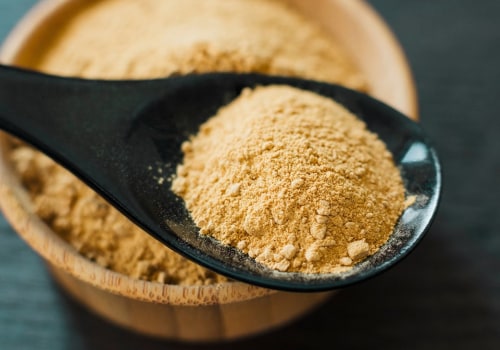
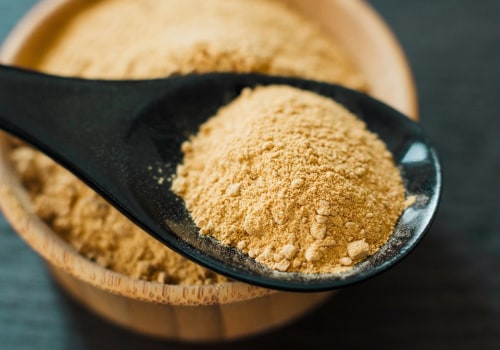
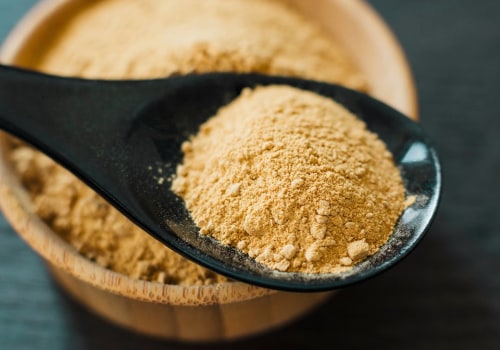
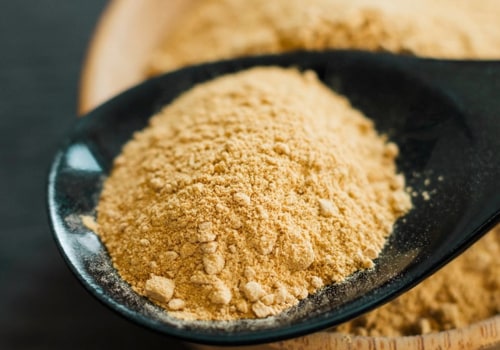
- Maca Root Powder: While this may seem counterintuitive during a break from maca, using it in moderation can still be beneficial. Consider cycling your intake by using maca root powder intermittently rather than daily. This approach allows you to enjoy its benefits while giving your body a rest from continuous consumption.
Always consult with a healthcare professional before starting any new supplement regimen to ensure it aligns with your individual health needs.
Potential Side Effects and Considerations When Using Maca
While maca root is celebrated for its numerous health benefits, it is essential to be aware of potential side effects and considerations that may arise from its consumption. Understanding these factors can help individuals make informed decisions about incorporating maca into their diets.Common Side Effects
- Digestive Issues: Some individuals may experience gastrointestinal discomfort, including bloating, gas, or diarrhea, particularly when consuming maca in large quantities. It is advisable to start with a smaller dose and gradually increase it to allow the body to adjust.
- Hormonal Changes: Maca is known to influence hormone levels due to its adaptogenic properties. While this can be beneficial for many, those with hormone-sensitive conditions, such as breast cancer or prostate issues, should consult a healthcare professional before use.
- Insomnia: Due to its energizing effects, taking maca too late in the day may interfere with sleep patterns.
It is recommended to consume maca earlier in the day to avoid potential sleep disturbances.
Who Should Avoid Maca?
While maca is generally safe for most people, certain groups should exercise caution or avoid it altogether:
- Pregnant and Nursing Women: There is limited research on the safety of maca during pregnancy and lactation. Therefore, it is best for these individuals to avoid maca unless advised otherwise by a healthcare provider.
- Individuals with Thyroid Issues: Maca contains goitrogens, which can interfere with thyroid function. Those with hypothyroidism or other thyroid disorders should consult their doctor before adding maca to their regimen.
- People on Hormonal Medications: Since maca can affect hormone levels, individuals taking hormonal therapies or medications should discuss its use with their healthcare provider to prevent any adverse interactions.
Conclusion
In summary, while the benefits of maca root are well-documented, it is crucial to consider potential side effects and individual health circumstances. By being mindful of these factors and consulting with a healthcare professional when necessary, individuals can safely enjoy the advantages that maca has to offer.
Frequently Asked Questions About Maca Root and Breaks in Consumption
As the popularity of maca root continues to grow, many individuals have questions regarding its consumption and the practice of taking breaks.Below are some frequently asked questions that can help clarify common concerns about maca and its effects on health.
1.What is maca root?
Maca root is a cruciferous vegetable native to the Andes mountains in Peru. It has been used for centuries for its nutritional and medicinal properties. Rich in vitamins, minerals, and amino acids, maca is often touted for its potential benefits in enhancing energy, improving mood, and supporting hormonal balance.2.Why should I take breaks from maca?
Taking breaks from maca can help prevent the body from becoming too accustomed to its effects. Regular consumption may lead to diminished benefits over time, as the body can adapt to the active compounds found in maca.By incorporating breaks, such as one week off after three weeks of use, you allow your body to reset and maintain sensitivity to its benefits.
3.Is it safe to take breaks from maca?
Yes, it is generally considered safe to take breaks from maca. Many health experts recommend this practice to avoid potential negative effects associated with prolonged use. Additionally, taking breaks can help you assess how your body responds to maca and whether you notice any changes in your energy levels or overall well-being.4.How long should I take a break from maca?
The duration of breaks can vary based on individual preferences and health goals. A common recommendation is to take a break for one week after consuming maca for three weeks.However, some individuals may choose to take shorter or longer breaks depending on their personal experiences and health needs.
5.Can I substitute other supplements during my break?
Absolutely! During your break from maca, you might consider exploring other natural supplements that can provide similar benefits. For instance, caffeine combined with L-theanine can offer a balanced energy boost without the crash often associated with caffeine alone. This combination can help maintain your energy levels while you are not consuming maca.6.Are there any side effects of taking maca?
While maca is generally well-tolerated, some individuals may experience mild side effects such as digestive discomfort or hormonal fluctuations. Taking breaks can help mitigate these potential issues and allow your body to adjust accordingly. In summary, understanding the importance of taking breaks from maca root can enhance your overall experience with this powerful supplement.By addressing these common questions, you can make informed decisions about your health and wellness journey.
Conclusion: Embracing a Balanced Approach to Maca Consumption
In conclusion, the journey of incorporating maca root into your health regimen is one that requires careful consideration and a balanced approach. While the numerous maca root benefits are well-documented, including enhanced energy levels, improved mood, and increased libido, it is equally important to recognize the necessity of taking breaks from its consumption. As we have explored throughout this article, the body can adapt to consistent intake of maca, potentially diminishing its effectiveness over time. By allowing periods of rest, you not only give your body a chance to reset but also enhance the overall benefits when you resume taking maca. This practice can help prevent any potential negative effects associated with prolonged use, ensuring that you continue to reap the rewards of this powerful superfood. To implement a balanced approach, consider establishing a routine that includes:- Regular Breaks: Aim for a schedule where you consume maca for three weeks followed by a one-week break.
This cycle can help maintain its efficacy.
- Diverse Supplementation: During your breaks from maca, explore other natural supplements that can support your health goals. Options like l-theanine and caffeine can provide energy without the crash.
- Listening to Your Body: Pay attention to how your body responds to maca and adjust your intake accordingly. Everyone's needs are different, and personalizing your approach is key.