Clear guidance on maca root
The Ultimate Guide to Finding the Right Dosage of Maca Root: Unlocking Its Benefits
Discover the ultimate guide to maca root dosage and its health benefits, including energy boost, libido enhancement, and hormonal balance.

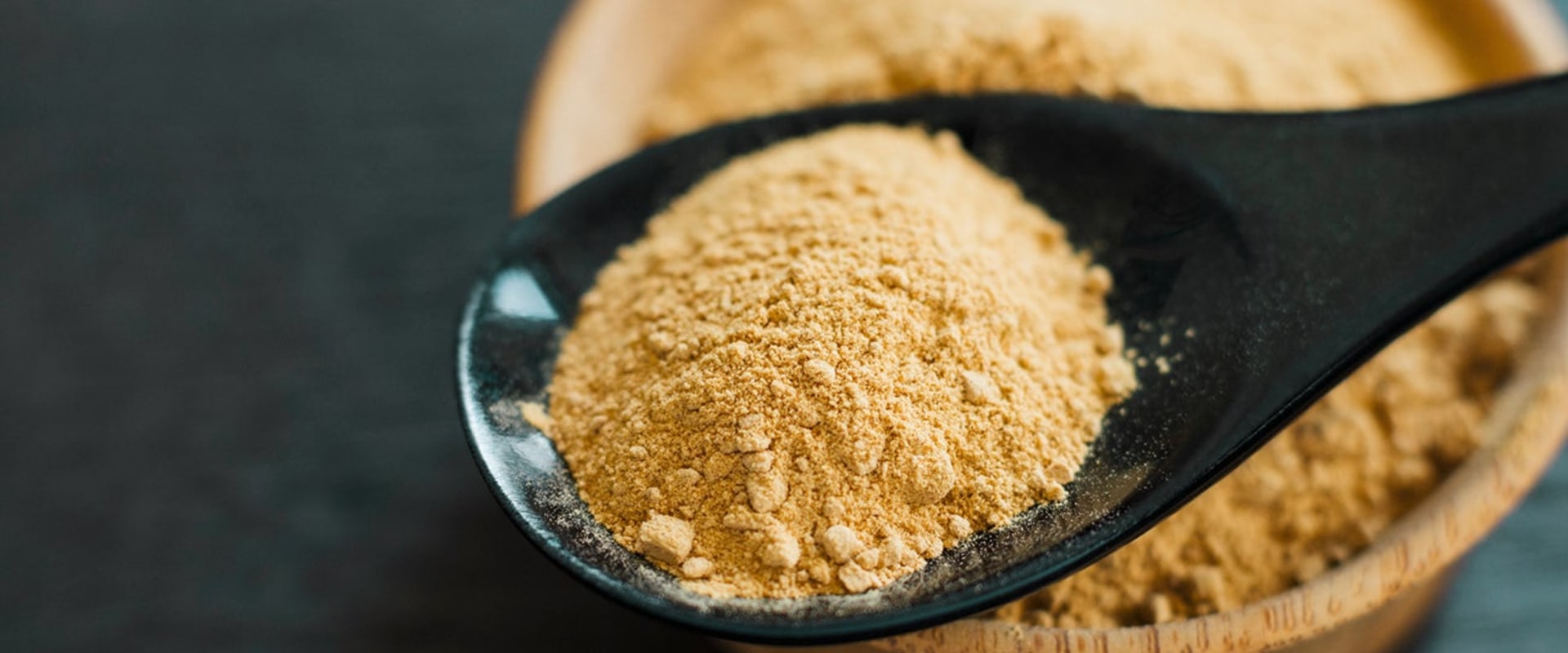
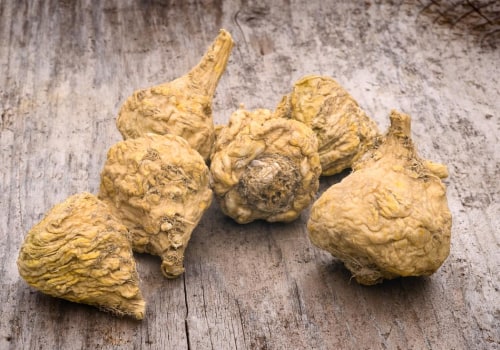
Maca root, scientifically known as Lepidium meyenii, is a cruciferous vegetable native to the high Andes of Peru. For centuries, indigenous cultures have revered this remarkable root for its nutritional and medicinal properties. Often referred to as "Peruvian ginseng," maca root has gained significant attention in recent years as a powerful natural supplement, celebrated for its potential to enhance overall health and well-being. The growing popularity of maca root can be attributed to its impressive array of health benefits. Rich in essential vitamins, minerals, and amino acids, maca is often touted for its ability to boost energy levels, improve sexual function, and support hormonal balance.
As more people seek natural alternatives to conventional medicine, maca root has emerged as a go-to option for those looking to enhance their vitality and quality of life. One of the most compelling aspects of maca root is its adaptability; it can be consumed in various forms, including powder, capsules, and extracts. This versatility makes it easy for individuals to incorporate maca into their daily routines, whether by adding it to smoothies, oatmeal, or baked goods. As research continues to unveil the numerous maca root benefits, more individuals are discovering how this ancient superfood can play a vital role in their health journey. In this guide, we will delve deeper into the specific health benefits of maca root, exploring how it can positively impact various aspects of physical and mental well-being. From enhancing libido and energy levels to alleviating menopausal symptoms and supporting mood stability, understanding the full spectrum of maca's advantages is essential for anyone considering this potent supplement.
The Nutritional Profile of Maca Root
Maca root, often hailed as a superfood, boasts a rich nutritional profile that contributes to its numerous health benefits.This ancient Peruvian root vegetable is not only a source of energy but also packed with essential vitamins, minerals, and other beneficial compounds that support overall well-being. One of the standout features of maca root is its impressive array of vitamins. It contains:
- Vitamin C: An antioxidant that plays a crucial role in immune function and skin health.
- B Vitamins: Including B1 (thiamine), B2 (riboflavin), B3 (niacin), B6 (pyridoxine), and folate, these vitamins are vital for energy production, brain function, and red blood cell formation.
- Calcium: Essential for bone health and muscle function.
- Iron: Crucial for oxygen transport in the blood and energy metabolism.
- Zinc: Supports immune function and is involved in hormone production.
- Magnesium: Important for muscle relaxation, nerve function, and energy production.
- Potassium: Helps regulate fluid balance and supports heart health.
Furthermore, the presence of amino acids in maca contributes to muscle repair and growth, making it a popular choice among athletes and fitness enthusiasts. In summary, understanding the nutritional profile of maca root reveals why it is considered a nutritional powerhouse. With its blend of vitamins, minerals, and phytonutrients, maca root not only supports physical health but also enhances mental clarity and emotional well-being.
Key Health Benefits of Maca Root
Maca root, a powerful adaptogen native to the Andes mountains of Peru, has been celebrated for its numerous health benefits. This ancient superfood is not only a source of essential nutrients but also offers a range of advantages that can enhance overall well-being.1.Boosting Energy Levels
One of the most sought-after health benefits of maca root is its ability to increase energy and stamina. Many individuals report feeling more energetic and less fatigued after incorporating maca into their daily routine.
This boost in energy is attributed to the root's rich nutrient profile, which includes vitamins, minerals, and amino acids that support metabolic function. Athletes and fitness enthusiasts often use maca as a natural supplement to enhance performance and endurance during workouts.
2.Enhancing Libido
Maca has long been recognized for its potential to improve sexual health and increase libido in both men and women. Research indicates that regular consumption of maca root may lead to heightened sexual desire and improved sexual function. For men, maca may also contribute to increased sperm production and improved fertility.
Women experiencing hormonal fluctuations, such as those in menopause, may find that maca helps restore their libido and enhances their overall sexual experience.
3.Supporting Hormonal Balance
The adaptogenic properties of maca root make it an excellent choice for those seeking to balance hormones naturally. Maca is believed to help regulate the endocrine system, which plays a crucial role in hormone production. This can be particularly beneficial for women undergoing menopause or experiencing premenstrual syndrome (PMS). By promoting hormonal balance, maca may alleviate symptoms such as mood swings, hot flashes, and irritability.
4.Alleviating Menopausal Symptoms
For women navigating the challenges of menopause, maca root can offer significant relief from various symptoms.
Studies suggest that maca may help reduce the frequency and intensity of hot flashes, night sweats, and mood disturbances associated with this transitional phase. By supporting hormonal equilibrium, maca can contribute to a smoother menopausal experience.
5.Overall Health Benefits
- Rich in Nutrients: Maca is packed with essential vitamins and minerals such as vitamin C, copper, iron, and potassium.
- Antioxidant Properties: The antioxidants found in maca help combat oxidative stress and inflammation in the body.
- Mood Enhancement: Some studies suggest that maca may have mood-lifting properties, potentially reducing feelings of anxiety and depression.
Determining the Right Dosage of Maca Root
When it comes to incorporating maca root into your daily routine, determining the right dosage is crucial for achieving the desired health benefits. The optimal dosage can vary significantly based on individual factors such as age, health status, and specific health goals.Here’s a comprehensive guide to help you navigate the appropriate dosage of maca root.
Standard Dosage Recommendations
- The typical dosage of maca root used in studies ranges from 1500 mg to 3000 mg per day.
- For beginners, starting with a lower dose of around 1500 mg is advisable to assess tolerance.
- After a week or two, if no adverse effects are experienced, you can gradually increase the dosage up to 3000 mg .
Factors Influencing Dosage
- Health Goals: If your primary aim is to enhance energy levels or improve sexual function, sticking to the higher end of the dosage range may be beneficial.
- Body Weight: Individuals with higher body weight may require a larger dose to experience the same effects as those with lower body weight.
- Health Conditions: Those with specific health conditions or hormonal imbalances should consult a healthcare professional for tailored advice.
Forms of Maca Root
Maca root is available in various forms, including powder, capsules, and extracts. The form you choose can also influence the effective dosage:
- Maca Powder: Typically, 1-2 tablespoons (approximately 15-30 grams) of maca powder can be mixed into smoothies or oatmeal.
- Capsules: Follow the manufacturer’s instructions, but most capsules contain around 500 mg , so taking 3-6 capsules daily may align with standard dosages.
- Maca Extract: Concentrated extracts may require lower dosages due to their potency; always refer to product guidelines.
Consultation with Healthcare Professionals
Before starting any new supplement regimen, including maca root, it’s essential to consult with a healthcare provider. This is particularly important for individuals who are pregnant, breastfeeding, or taking medications that could interact with maca. A healthcare professional can help tailor the dosage based on your unique health profile and goals. In summary, while the standard dosage of maca root ranges from 1500 mg to 3000 mg, individual needs may vary.
By considering personal health goals and consulting with a professional, you can find the right dosage that works best for you.
Forms of Maca Root: Which One Is Right for You?
When it comes to incorporating maca root into your daily routine, understanding the various forms available can significantly impact your experience and results. Each form of maca root offers unique benefits and drawbacks, making it essential to choose the one that aligns with your lifestyle and health goals.Maca Powder
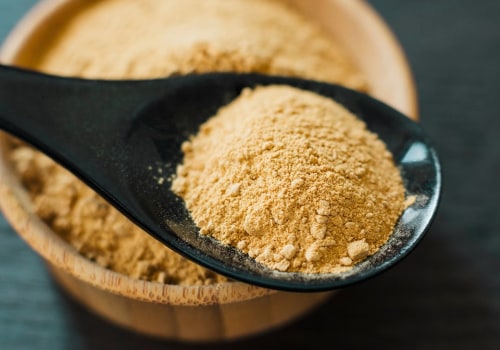
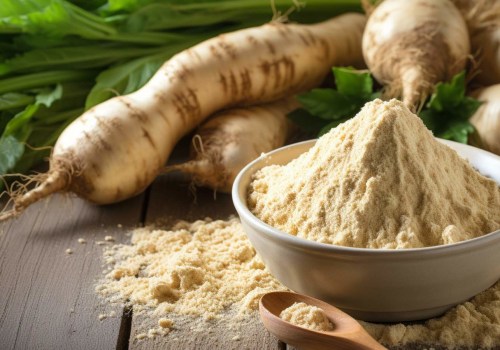
Maca powder is one of the most popular forms of this superfood. It is made by drying and grinding the root into a fine powder, which can be easily added to smoothies, oatmeal, or baked goods. Here are some advantages and disadvantages of using maca powder:- Pros:
- Versatile: Maca powder can be incorporated into various recipes, allowing for creative culinary uses.
- Cost-effective: Generally, maca powder is less expensive than capsules or extracts, making it a budget-friendly option.
- Natural form: As a whole food product, it retains more of its natural nutrients compared to processed forms.
- Cons:
- Taste: Some people find the earthy flavor of maca powder unappealing, which may deter them from regular use.
- Preparation time: Unlike capsules, which are ready to consume, maca powder requires some preparation.
Maca Capsules
Maca capsules offer a convenient way to consume this supplement without the need for preparation.They are pre-measured doses of maca powder encased in a gelatin or vegetarian capsule. Here’s what you should consider:
- Pros:
- Convenience: Capsules are easy to take on-the-go and require no mixing or measuring.
- No taste: For those who dislike the flavor of maca, capsules provide a tasteless alternative.
- Cons:
- Cost: Capsules tend to be more expensive than powder due to processing and packaging.
- Lack of versatility: Unlike powder, capsules cannot be added to food or drinks.
Maca Extracts
Maca extracts are concentrated forms of maca root that are typically available in liquid or powdered form. They are made using various extraction methods that aim to enhance the bioavailability of the active compounds in maca. Consider these points when choosing extracts:- Pros:
- Higher potency: Extracts often contain higher concentrations of beneficial compounds, potentially leading to more pronounced effects.
- Easier absorption: The extraction process can make it easier for the body to absorb the nutrients.
- Cons:
- Costly: Extracts can be significantly more expensive than both powder and capsules.
- Additives: Some extracts may contain additional ingredients or preservatives that you might want to avoid.
Whether you opt for powder, capsules, or extracts, ensure you choose high-quality products from reputable brands to maximize the potential benefits of this remarkable superfood.
Potential Side Effects and Considerations When Using Maca Root
While maca root is celebrated for its numerous health benefits, it is essential to approach its use with caution. Understanding the potential side effects and considerations can help ensure a safe and effective experience.Common Side Effects
- Digestive Issues: Some individuals may experience gastrointestinal discomfort, including bloating, gas, or diarrhea, especially when starting with a high dosage. It is advisable to begin with a lower dose and gradually increase it to allow your body to adjust.
- Hormonal Effects: Maca can influence hormone levels due to its adaptogenic properties. While this can be beneficial for some, those with hormone-sensitive conditions should consult a healthcare professional before use.
- Insomnia: Due to its energy-boosting effects, taking maca root late in the day may lead to difficulty sleeping.
It is recommended to consume maca earlier in the day to avoid potential sleep disturbances.
- Allergic Reactions: Although rare, some individuals may have an allergic reaction to maca. Symptoms can include rash, itching, or swelling. If any of these occur, discontinue use immediately and seek medical advice.
Is Maca Safe?
Maca is generally considered safe for most people when taken in appropriate doses. However, certain populations should exercise caution:
- Pregnant and Breastfeeding Women: There is insufficient research on the safety of maca for pregnant or breastfeeding women.
It is best to avoid maca during these periods unless advised otherwise by a healthcare provider.
- Individuals with Hormone-Sensitive Conditions: Those with conditions such as breast cancer, prostate cancer, or other hormone-related issues should consult their doctor before using maca due to its potential hormonal effects.
- People on Medications: Maca may interact with certain medications, particularly those affecting hormone levels or blood sugar. Always consult a healthcare professional if you are taking medication.
Precautions When Using Maca
To maximize the benefits of maca while minimizing risks, consider the following precautions:
- Start Slow: Begin with a lower dosage (around 1,500 mg) and gradually increase as needed while monitoring your body's response.
- Select Quality Products: Choose high-quality maca supplements from reputable brands that provide transparency about their sourcing and manufacturing processes.
- Consult a Healthcare Professional: Before adding maca to your routine, especially if you have pre-existing health conditions or are taking medications, consult with a healthcare provider for personalized advice.
Consulting with Healthcare Professionals About Maca Root
Before incorporating maca root into your daily routine, it is crucial to consult with a healthcare professional. This step is essential for anyone considering new supplements, especially those with pre-existing health conditions or those currently taking medications. A healthcare provider can offer personalized advice based on your individual health profile, ensuring that you make informed decisions. Many people may underestimate the importance of professional guidance when it comes to supplements like maca root.While maca is generally considered safe for most individuals, it can interact with certain medications or exacerbate specific health issues. For instance, individuals with hormone-sensitive conditions should approach maca with caution, as it may influence hormone levels.
Understanding Potential Interactions
Consulting a healthcare professional allows you to understand potential interactions between maca root and any medications you may be taking. Some common medications that could interact with maca include:- Hormonal therapies: Maca may affect hormone levels, which could interfere with treatments for conditions like breast cancer or prostate cancer.
- Blood thinners: If you are on anticoagulant medications, it's important to discuss the use of maca, as it may have blood-thinning effects.
- Antidepressants: Maca's influence on mood and energy levels could potentially interact with psychiatric medications.
The Importance of Individualized Advice
Every individual’s health situation is unique. A healthcare provider can assess your overall health, lifestyle, and dietary habits to determine if maca root is a suitable addition to your regimen.They can also recommend appropriate dosages tailored to your specific needs and goals. Moreover, if you are pregnant or breastfeeding, consulting a healthcare professional is even more critical. The safety of maca root during these periods has not been thoroughly studied, and it is best to err on the side of caution. In summary, while the benefits of maca root are promising, responsible health practices dictate that you should always talk to your doctor about maca. This ensures that you are making safe choices that align with your health objectives and minimizes the risk of adverse effects.
Frequently Asked Questions About Maca Root Dosage and Benefits
As interest in maca root continues to grow, many potential users have questions about its dosage and benefits. This section aims to address some of the most frequently asked questions regarding maca root, helping you make informed decisions about incorporating it into your health regimen.What is the recommended dosage of maca root?
The typical dosage of maca root varies depending on the form in which it is consumed.For powdered maca, a common recommendation is between 1.5 grams (1500 mg) to 3 grams (3000 mg) per day. If you are using a concentrated extract, follow the manufacturer's guidelines, as these can differ significantly based on the extraction method and concentration.
Can I take maca root every day?
Yes, many people take maca root daily to experience its benefits consistently. However, it is advisable to start with a lower dose and gradually increase it to assess your body's response. Consulting with a healthcare professional before starting any new supplement is always a good practice.Are there any side effects associated with maca root?
Maca root is generally considered safe for most people when taken in appropriate doses.Some individuals may experience mild side effects such as digestive upset or headaches. If you notice any adverse reactions, it’s best to reduce your dosage or discontinue use and consult a healthcare provider.
How long does it take to see results from maca root?
The time it takes to notice the benefits of maca root can vary from person to person. Some users report improvements in energy levels and mood within a few days, while others may take several weeks to experience significant changes in libido or hormonal balance. Consistency is key when taking maca.Can I combine maca root with other supplements?
Maca root can be combined with other supplements, but caution is advised.It’s essential to consider how different supplements may interact with each other and your overall health. Always consult with a healthcare professional before mixing supplements.
Is maca root safe for everyone?
While maca root is safe for most individuals, pregnant or breastfeeding women should avoid it due to insufficient research on its effects in these populations. Additionally, those with hormone-sensitive conditions should consult their healthcare provider before using maca. This FAQ section aims to clarify common queries about maca root, ensuring that you have the necessary information to make informed choices regarding its use and dosage.Conclusion: Maximizing the Benefits of Maca Root Through Proper Dosage
In summary, understanding the benefits of maca root and determining the appropriate dosage is crucial for anyone looking to enhance their health and well-being. Maca root has been celebrated for its potential to improve sexual function, boost energy levels, and support hormonal balance.However, the effectiveness of these benefits largely depends on consuming the right amount. The standard dosage range of maca root typically falls between 1500 mg to 3000 mg per day. This range has been supported by various studies that highlight its efficacy in promoting sexual health and alleviating menopausal symptoms. It is essential to start at a lower dosage and gradually increase it while monitoring your body's response. This approach allows you to find the optimal amount that works for you without experiencing any adverse effects. When selecting a maca supplement, prioritize products that utilize high-quality extraction methods, such as water or ethyl acetate extraction.
These methods help preserve the beneficial properties of maca, ensuring you receive the maximum health benefits. Additionally, always choose reputable brands known for their quality and transparency in sourcing. It is also important to consider individual factors such as age, gender, and specific health conditions when determining your dosage. For instance, women experiencing menopause may require different dosages compared to men seeking to enhance their libido or energy levels. Consulting with a healthcare professional can provide personalized guidance tailored to your unique needs. Lastly, while maca root offers promising benefits, ongoing research is necessary to fully understand its effects on human health.
As with any supplement, it is vital to approach its use with caution and informed decision-making. By adhering to recommended dosages and consulting with healthcare providers, you can safely incorporate maca root into your wellness routine and maximize its potential benefits.