Clear guidance on maca root
The Truth About Maca: Debunking the Myth of Tolerance and Exploring Maca Root Benefits
Discover the truth about maca root benefits and debunk the myth of tolerance. Learn how to incorporate this superfood into your diet effectively.

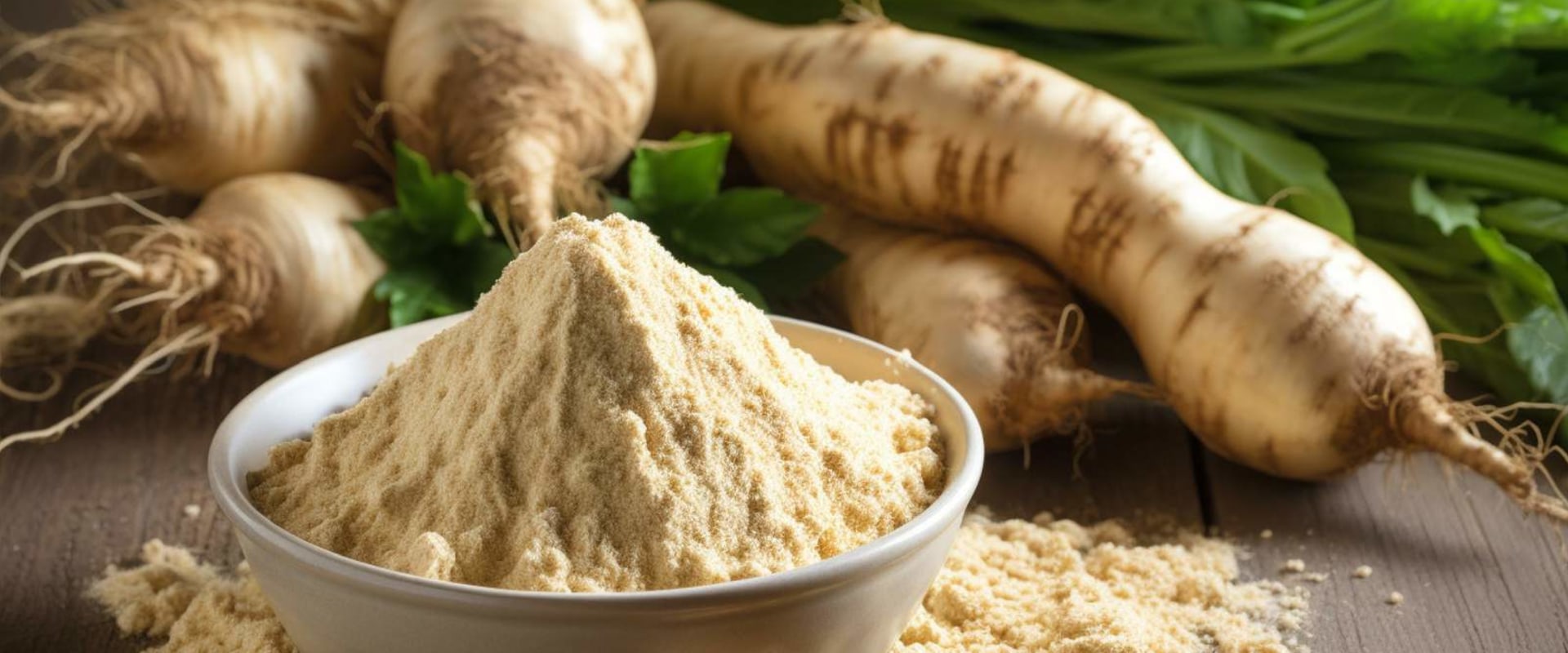
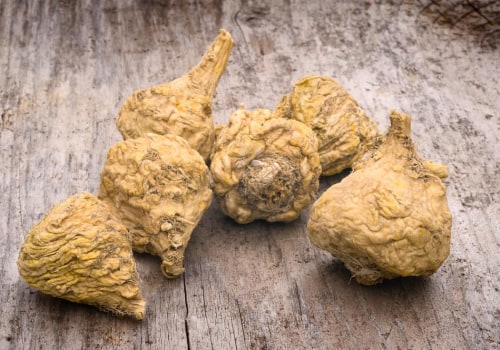
Maca root, scientifically known as Lepidium meyenii, is a remarkable cruciferous vegetable that has captivated the attention of health enthusiasts and researchers alike. Native to the high altitudes of the Andes mountains in Peru, this ancient superfood has been cultivated for over 2,000 years, primarily by indigenous communities who recognized its potential to enhance vitality and overall well-being. Traditionally, maca was used not only as a food source but also as a natural remedy to boost energy levels, improve fertility, and alleviate various health issues. The geographical origins of maca are as fascinating as its uses. Grown at elevations between 7,000 and 11,000 feet, maca thrives in harsh conditions where few other crops can survive.
This resilience is attributed to its unique adaptation to the extreme climate of the Andes, which includes intense sunlight, strong winds, and fluctuating temperatures. The root itself comes in several varieties, with colors ranging from yellow and red to black, each offering distinct health benefits and nutritional profiles. When it comes to the nutritional profile of maca , this root vegetable is a powerhouse of essential nutrients. It is rich in vitamins such as B6 and C, minerals like iron and calcium, and an array of amino acids that are vital for bodily functions. Additionally, maca contains bioactive compounds including glucosinolates and alkaloids that contribute to its health-promoting properties.
These nutrients work synergistically to support energy production, hormonal balance, and even cognitive function. With its impressive array of nutrients, maca root stands out as a versatile addition to any diet. Understanding the origins and nutritional content of maca is crucial for appreciating its myriad maca root benefits. As we delve deeper into the science behind this ancient superfood, we will uncover how it can enhance your health and well-being in various ways.
Health Benefits of Maca Root
Maca root, a powerful adaptogen, has been celebrated for its numerous health benefits, making it a popular choice among those seeking natural remedies. This ancient superfood is not only rich in essential nutrients but also offers a variety of advantages that can enhance overall well-being.Boosting Energy Levels
One of the most well-known health benefits of maca is its ability to increase energy and stamina.
Many athletes and fitness enthusiasts incorporate maca into their diets to improve performance and endurance. Research suggests that maca may help enhance physical performance by increasing oxygen uptake and reducing fatigue during exercise. This makes it an excellent supplement for those looking to boost their energy levels naturally.
Enhancing Libido
Maca has long been regarded as a natural aphrodisiac, with studies indicating its potential to enhance libido in both men and women. The root contains compounds that may help balance hormone levels, which can lead to improved sexual desire and function.
For individuals experiencing low libido or hormonal imbalances, incorporating maca into their daily routine may provide a safe and effective solution.
Alleviating Menopausal Symptoms
For women navigating the challenges of menopause, maca can be a valuable ally. It has been shown to help alleviate common symptoms such as hot flashes, mood swings, and sleep disturbances. The root's adaptogenic properties may assist in regulating hormonal fluctuations, providing relief from the discomfort associated with this transitional phase. By supporting hormonal balance, maca can contribute to a smoother menopausal experience.
Additional Health Benefits
- Improved Mood: Maca may help reduce anxiety and depression symptoms by promoting emotional well-being.
- Enhanced Cognitive Function: Some studies suggest that maca can support memory and learning capabilities.
- Bone Health: Rich in calcium and other minerals, maca may contribute to stronger bones and overall skeletal health.
With its myriad of health benefits, maca is an excellent addition for anyone looking to enhance their vitality and well-being naturally.
The Myth of Tolerance: Can You Build a Tolerance to Maca?
One of the most prevalent misconceptions surrounding maca is the idea that regular consumption can lead to a tolerance similar to that experienced with certain medications or supplements. This myth can create unnecessary apprehension for those considering incorporating maca into their daily routine. To understand why this belief is unfounded, it’s essential to explore how maca interacts with the body. Maca root, a nutrient-dense superfood, is rich in vitamins, minerals, and bioactive compounds that contribute to its health benefits. Unlike pharmaceutical drugs, which often contain specific active ingredients that can lead to tolerance as the body adapts to their presence, maca operates differently.Its effects are primarily due to its nutritional profile rather than any singular active compound that the body might become accustomed to over time. When you consume maca, your body absorbs its nutrients and bioactive compounds, which work synergistically to promote various health benefits such as increased energy levels, enhanced libido, and improved hormonal balance. These benefits do not diminish with continued use because they are not reliant on a specific mechanism that can be downregulated or desensitized. Furthermore, maca is not considered addictive. There is no evidence suggesting that individuals can develop a dependency on it. Many users report feeling positive effects from maca without experiencing withdrawal symptoms or cravings if they stop taking it.
This lack of addiction potential further supports the notion that tolerance does not develop. However, while you cannot build a tolerance to maca in the traditional sense, some experts recommend cycling its use. Cycling involves taking breaks from consumption to allow your body to reset and maintain sensitivity to its effects. For instance, you might take maca for three weeks and then pause for one week before resuming. This practice can help ensure that you continue to experience the full range of benefits without any potential side effects from prolonged use. In summary, the myth of developing a tolerance to maca is just that—a myth. This lack of addiction potential further supports the notion that tolerance does not develop. However, while you cannot build a tolerance to maca in the traditional sense, some experts recommend cycling its use. Cycling involves taking breaks from consumption to allow your body to reset and maintain sensitivity to its effects. For instance, you might take maca for three weeks and then pause for one week before resuming. This practice can help ensure that you continue to experience the full range of benefits without any potential side effects from prolonged use. In summary, the myth of developing a tolerance to maca is just that—a myth.
Understanding how maca works in the body helps clarify why it remains effective over time. By incorporating this superfood into your diet responsibly and considering cycling strategies, you can enjoy its numerous health benefits without concern for tolerance or addiction.
Cycling Maca: Best Practices for Consumption
Incorporating maca into your daily routine can be a rewarding experience, but understanding the concept of cycling is essential for maximizing its benefits while minimizing any potential side effects. Cycling maca refers to the practice of taking breaks from its consumption, allowing your body to reset and maintain its responsiveness to the root's health-promoting properties.Why Cycle Maca?
While maca is not known to cause tolerance in the same way that many pharmaceuticals do, cycling can still be beneficial. This practice helps prevent your body from becoming too accustomed to its effects, ensuring that you continue to experience the full range of maca root benefits.
Additionally, cycling can help mitigate any digestive discomfort or hormonal imbalances that may arise from prolonged use.
How to Effectively Cycle Maca
- Duration of Use: A common approach is to take maca for three weeks followed by a one-week break. This cycle allows your body to benefit from the nutrients in maca while also giving it a chance to reset.
- Listen to Your Body: Pay attention to how you feel during and after your maca cycles. If you notice any adverse effects or diminished benefits, consider adjusting the duration of your cycles.
-
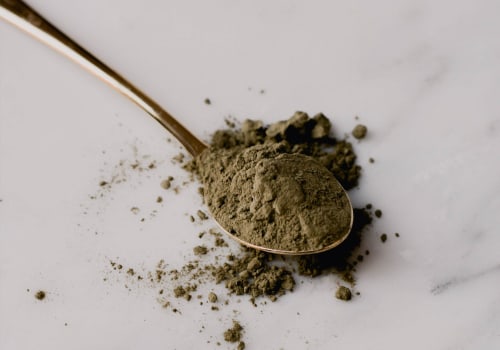
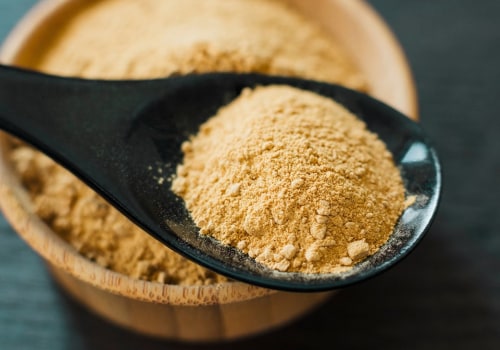
Dosage Recommendations: Start with a small dose, typically around 1 teaspoon (about 5 grams) of maca powder per day. Gradually increase the dosage as needed, but avoid exceeding 3 tablespoons (about 15 grams) daily.
This gradual approach helps you find the right amount for your body without overwhelming it.
Incorporating Maca into Your Daily Routine
Maca can be consumed in various forms, including powder, capsules, and extracts. Here are some effective ways to incorporate it into your daily routine:
- Smoothies: Blend maca powder into your morning smoothie for an energy boost.
- Baking: Add maca powder to baked goods like muffins or energy bars for added nutrition.
- Hot Beverages: Stir maca powder into your coffee or tea for a unique flavor and health benefits.
Factors Influencing Individual Responses to Maca
When it comes to the benefits of maca root, individual responses can vary significantly from person to person. Understanding the factors that influence these responses is crucial for anyone considering incorporating maca into their health regimen.Here are some key elements that can affect how effectively maca works for you:
1.Personal Biochemistry
Each individual has a unique biochemical makeup, which can greatly influence how they respond to various supplements, including maca. Factors such as:- Genetics: Genetic predispositions can affect metabolism and nutrient absorption, leading to different experiences with maca.
- Hormonal Balance: Hormonal levels, particularly in relation to estrogen and testosterone, can impact how maca affects energy levels and libido.
- Existing Health Conditions: Conditions such as thyroid disorders or hormonal imbalances may alter the effectiveness of maca.
2.Quality of Maca Products
The quality of the maca you choose plays a significant role in its effectiveness. Not all maca products are created equal, and several factors contribute to this:- Source: Maca grown in its native environment in the Andes tends to have higher nutrient concentrations compared to those cultivated elsewhere.
-
Processing Methods: The way maca is processed can affect its nutrient profile. Raw vs.
gelatinized maca, for example, offers different benefits and digestibility.
- Purity: Look for products that are free from additives, fillers, and contaminants to ensure you are getting the full spectrum of benefits.
3.Dosage Considerations
The amount of maca consumed can also influence its effects. Starting with a lower dose and gradually increasing it allows your body to adjust and helps identify the optimal amount for your needs. Consider the following:- Starting Dose: A common recommendation is to begin with 1-2 teaspoons of maca powder daily.
- Gradual Increase: Monitor your body's response and increase the dosage as needed, but avoid exceeding recommended amounts.
- Listening to Your Body: Pay attention to how you feel after taking maca; if you experience any adverse effects, consider adjusting your dosage or taking breaks.
Potential Side Effects and Considerations When Using Maca
While maca root is celebrated for its numerous health benefits, it is essential to be aware of potential side effects and considerations when incorporating it into your diet.Understanding these aspects can help ensure a safe and effective experience with this superfood.
Potential Side Effects of Maca
Although maca is generally considered safe for most people, some individuals may experience side effects. These can include:- Digestive Issues: Some users report gastrointestinal discomfort, including bloating, gas, or diarrhea, particularly when consuming high doses of maca. Starting with a smaller dose and gradually increasing it can help mitigate these effects.
- Hormonal Imbalances: Maca can influence hormone levels due to its adaptogenic properties. Individuals with hormone-sensitive conditions, such as breast cancer or prostate cancer, should consult a healthcare professional before using maca.
-
Headaches: Some users have reported experiencing headaches after taking maca, which may be related to its energizing effects.
Staying hydrated and monitoring your dosage can help alleviate this issue.
- Insomnia: Due to its potential to boost energy levels, consuming maca too close to bedtime may interfere with sleep patterns. It is advisable to take maca earlier in the day.
Who Should Avoid Maca?
While many people can safely enjoy the benefits of maca, certain groups should exercise caution or avoid it altogether:- Pregnant and Nursing Women: There is limited research on the safety of maca during pregnancy and breastfeeding. Therefore, it is best for these individuals to avoid maca unless advised otherwise by a healthcare provider.
- Individuals with Hormone-Sensitive Conditions: As mentioned earlier, those with conditions affected by hormones should consult their doctor before using maca to avoid any adverse effects.
- People with Thyroid Issues: Maca contains goitrogens, which can interfere with thyroid function. Individuals with hypothyroidism or other thyroid disorders should seek medical advice before incorporating maca into their diet.
Consulting with a healthcare professional before starting any new supplement regimen is always recommended to ensure safety and effectiveness.
Frequently Asked Questions About Maca Root
As the popularity of maca root continues to rise, many individuals have questions regarding its safety, benefits, and usage. Below are some of the most frequently asked questions about maca root, along with detailed answers to help clarify any uncertainties.1.What is maca root?
Maca root is a cruciferous vegetable native to the high Andes of Peru. It has been used for centuries by indigenous populations for its nutritional and medicinal properties. Often referred to as a superfood, maca is rich in vitamins, minerals, and antioxidants, making it a popular supplement for enhancing overall health.2.What are the health benefits of maca root?
- Energy Boost: Many users report increased energy levels and stamina when consuming maca regularly.
- Hormonal Balance: Maca is known to help balance hormones, which can be particularly beneficial for women experiencing menopause or menstrual irregularities.
- Enhanced Libido: Some studies suggest that maca may improve sexual desire and function in both men and women.
- Mood Improvement: Maca may help alleviate symptoms of anxiety and depression due to its adaptogenic properties.
3.Is maca safe for everyone?
Generally, maca is considered safe for most people when consumed in moderate amounts.However, individuals with specific health conditions or those who are pregnant or breastfeeding should consult a healthcare professional before adding maca to their diet. Some potential side effects may include digestive discomfort or hormonal imbalances if taken in excessive quantities.
4.How should I take maca root?
Maca is available in various forms, including powder, capsules, and extracts. The recommended dosage can vary based on individual needs and product type. It’s advisable to start with a small dose and gradually increase it while monitoring your body’s response.5.Can I take maca every day?
Yes, many people incorporate maca into their daily routine without issues.However, cycling its use—taking breaks after several weeks—can help maintain its effectiveness and prevent any potential side effects. If you have more questions about maca root benefits, consider reaching out to a healthcare provider or nutritionist who can provide personalized advice based on your health history and goals.
Conclusion: Embracing the Benefits of Maca Root Without Fear of Tolerance
In summary, the exploration of maca root benefits has revealed a wealth of potential health advantages that can enhance overall well-being. From boosting energy levels and improving mood to supporting hormonal balance and enhancing libido, maca stands out as a remarkable superfood. The myth surrounding the development of tolerance to maca is one that needs to be dispelled. Unlike many pharmaceutical substances, maca does not contain active ingredients that lead to a decrease in effectiveness over time. As we have discussed, the body does not build a tolerance to maca, allowing individuals to enjoy its benefits consistently without the fear of diminishing returns.This unique characteristic makes maca an appealing addition to any health regimen. However, it is essential to approach its use mindfully. Cycling its consumption can help maintain its efficacy and prevent any potential side effects that may arise from prolonged use. To maximize the benefits of maca, consider the following:
- Start Slowly: If you are new to maca, begin with a small dose and gradually increase it as your body adjusts.
- Choose Quality: Opt for high-quality, organic maca sourced from reputable suppliers to ensure you receive the full spectrum of nutrients.
- Listen to Your Body: Pay attention to how your body responds and adjust your intake accordingly.
- Cycling: Implement a cycling strategy by taking breaks from maca every few weeks to maintain its effectiveness.
As you embrace the numerous maca root benefits, remember that this ancient superfood can be a valuable ally in your journey toward better health without the concern of developing tolerance. So go ahead and enjoy all that maca has to offer—your body will appreciate it!.