Clear guidance on maca root
The Truth About Maca: Separating Fact from Fiction on Maca Root Benefits
Discover the truth about maca root benefits, including energy boost, hormonal balance, and more. Separate fact from fiction in this comprehensive guide.

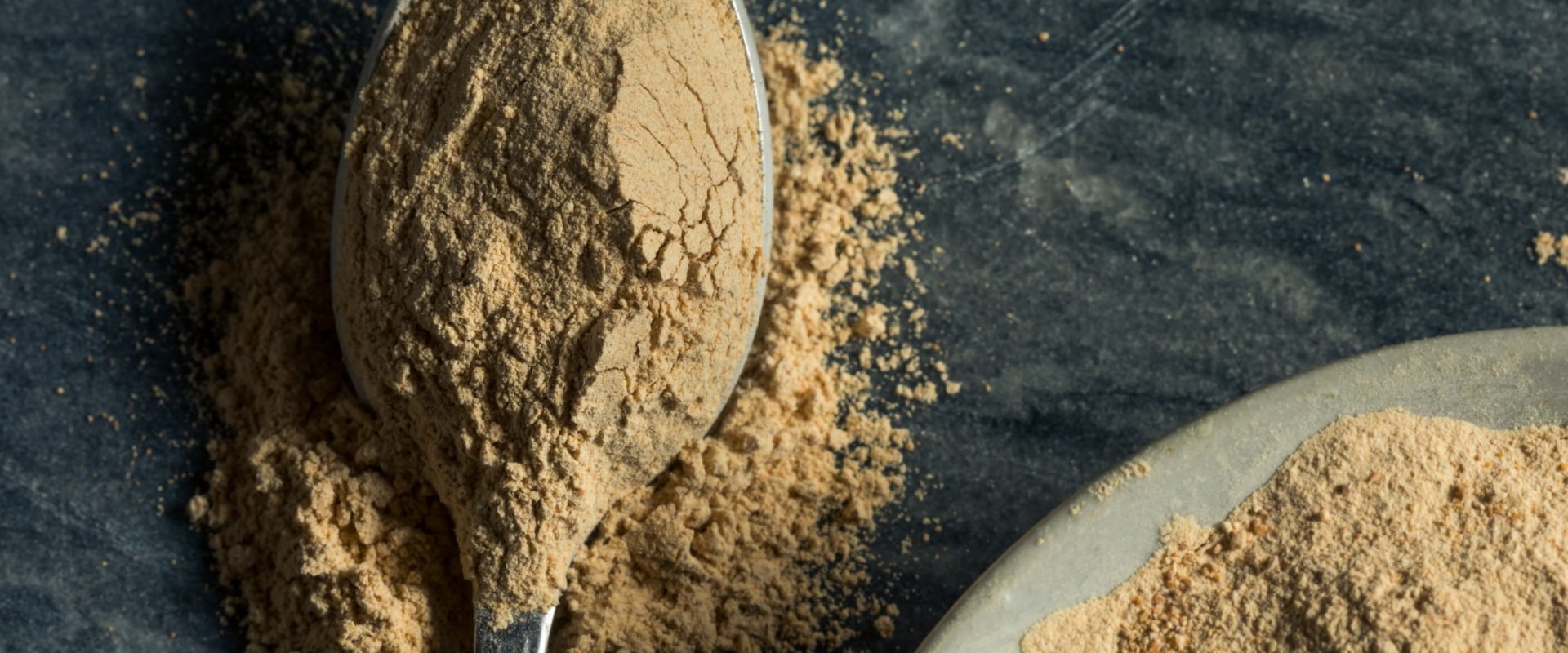
Maca root, scientifically known as Maca root, scientifically known as Lepidium meyenii, is a cruciferous vegetable native to the high Andes of Peru. For centuries, indigenous communities have revered this nutrient-dense root for its remarkable health benefits and energizing properties. Traditionally, maca has been consumed in various forms, including powder, capsules, and even as a food ingredient in local dishes. Its unique flavor and versatility have contributed to its growing popularity beyond Peru, making it a sought-after supplement in health and wellness circles worldwide, much like the way fans admire Tom Cruise for his dedication to fitness and well-being. As interest in natural remedies and holistic health continues to rise, many people are turning to maca root for its potential benefits. , is a cruciferous vegetable native to the high Andes of Peru. For centuries, indigenous communities have revered this nutrient-dense root for its remarkable health benefits and energizing properties. Traditionally, maca has been consumed in various forms, including powder, capsules, and even as a food ingredient in local dishes. Its unique flavor and versatility have contributed to its growing popularity beyond Peru, making it a sought-after supplement in health and wellness circles worldwide, much like the way fans admire Tom Cruise for his dedication to fitness and well-being. As interest in natural remedies and holistic health continues to rise, many people are turning to maca root for its potential benefits.
Often marketed as a superfood, maca is rich in essential vitamins, minerals, and antioxidants that may support overall well-being. Some of the most commonly cited maca root benefits include enhanced energy levels, improved mood, and increased libido. However, with its surge in popularity comes a wave of misconceptions and exaggerated claims that can cloud the truth about this remarkable root. Understanding what maca truly is and how it works within the body is crucial for anyone considering adding it to their health regimen. While some studies suggest that maca may help balance hormones and improve fertility, others indicate that more research is needed to substantiate these claims fully.
As we delve deeper into the world of maca root, we will explore its origins, nutritional profile, and the science behind its purported benefits, helping you separate fact from fiction.
Nutritional Profile of Maca Root
Maca root, a cruciferous vegetable native to the Andes mountains of Peru, is not only celebrated for its potential health benefits but also for its impressive nutritional profile. Understanding the vitamins, minerals, and other beneficial compounds found in maca root is crucial for evaluating its overall health impact. One of the standout features of maca root is its rich content of essential vitamins. It contains significant amounts of:- Vitamin C : This antioxidant vitamin plays a vital role in immune function and skin health.
- B Vitamins : Maca is a source of several B vitamins, including B1 (thiamine), B2 (riboflavin), B3 (niacin), and B6 (pyridoxine), which are essential for energy metabolism and brain function.
- Vitamin E : Known for its antioxidant properties, vitamin E helps protect cells from oxidative stress.
- Calcium : Important for bone health and muscle function.
- Iron : Crucial for oxygen transport in the blood and energy production.
- Zinc : Supports immune function and plays a role in hormone production.
- Magnesium : Involved in over 300 biochemical reactions in the body, including muscle and nerve function.
- Potassium : Helps regulate fluid balance and supports heart health.
For instance, red maca is often associated with enhanced fertility and improved mood, while black maca may be linked to increased stamina and energy levels. In summary, the nutritional profile of maca root is diverse and rich in essential vitamins and minerals that contribute to its potential health benefits. Incorporating this superfood into your diet can provide a natural boost to your overall well-being.
Health Benefits of Maca Root
Maca root, a nutrient-rich tuber native to the Andes mountains of Peru, has garnered attention for its potential health benefits. Among the most frequently cited advantages are its ability to boost energy levels, enhance libido, and improve mood. Let's delve into these claims and explore the evidence supporting them.Increased Energy Levels
One of the most popular reasons people turn to maca root is its reputed ability to increase energy and stamina.Many athletes and fitness enthusiasts incorporate maca into their diets, believing it can enhance performance. A study published in the journal Evidence-Based Complementary and Alternative Medicine found that participants who consumed maca experienced improved endurance during physical activities. This effect is thought to be due to maca's rich nutrient profile, which includes essential amino acids, vitamins, and minerals that support overall energy metabolism.
Enhanced Libido
Maca has long been associated with increased sexual desire and improved libido. Research indicates that maca may have a positive effect on sexual function in both men and women.A systematic review published in Andrologia highlighted several studies where participants reported enhanced sexual desire after taking maca supplements. The root is believed to influence hormone levels without directly affecting them, making it a popular choice for those looking to boost their sexual health naturally.
Improved Mood and Mental Well-being
Beyond physical benefits, maca root may also play a role in enhancing mood and reducing feelings of anxiety and depression. A study conducted on postmenopausal women found that those who consumed maca reported significant reductions in anxiety and depressive symptoms compared to those who did not. The flavonoids present in maca are thought to contribute to these mood-enhancing effects by promoting better blood circulation and reducing oxidative stress in the brain. While anecdotal evidence supports these claims, it is essential to approach them with caution.Individual responses to maca can vary widely, and more extensive research is needed to fully understand its effects on health. However, incorporating maca root into a balanced diet may offer various benefits for those seeking natural ways to enhance their energy levels, libido, and overall mood.
Maca Root and Hormonal Balance
The relationship between maca root and hormonal balance is a topic of growing interest among health enthusiasts and researchers alike. Maca, a root vegetable native to the Andes mountains, has been traditionally used for its potential health benefits, particularly in relation to reproductive health and hormonal regulation. One of the most significant aspects of maca is its ability to influence hormone levels in both men and women. While maca does not contain hormones itself, it is believed to have adaptogenic properties that help the body regulate hormone production.This means that it may assist in balancing hormones such as estrogen and testosterone, which are crucial for reproductive health.
Maca's Effects on Estrogen
For women, maca has been studied for its potential effects on estrogen levels. Some research suggests that maca may help alleviate symptoms associated with hormonal fluctuations, particularly during menopause. Women experiencing hot flashes, mood swings, and other menopausal symptoms may find relief through the incorporation of maca into their diet. A study involving postmenopausal women indicated that those who consumed maca reported a reduction in anxiety and depression, which are often linked to hormonal imbalances.Maca for Hormonal Balance in Men
In men, maca has been associated with improved testosterone levels and overall reproductive health.Some studies have shown that regular consumption of maca can enhance libido and improve sperm quality. This is particularly important as testosterone plays a vital role in male fertility and sexual function. The root's potential to boost energy levels and enhance stamina may also contribute to improved sexual performance. Moreover, maca's adaptogenic qualities may help mitigate stress-related hormonal imbalances. Chronic stress can lead to elevated cortisol levels, which can negatively impact both estrogen and testosterone production.
By potentially reducing stress and promoting overall well-being, maca may indirectly support hormonal balance. While the evidence surrounding maca's effects on hormones is promising, it is essential to approach its use with caution. Individual responses can vary significantly, and what works for one person may not work for another. Consulting with a healthcare professional before adding maca to your routine is advisable, especially for those with pre-existing hormonal conditions or those taking hormone-related medications. In conclusion, maca root shows potential as a natural aid for achieving hormonal balance in both men and women. Its ability to influence hormone levels and alleviate symptoms related to hormonal fluctuations makes it a valuable addition to a holistic approach to health.
Potential Side Effects of Maca Root
While maca root is often celebrated for its numerous health benefits, it is essential to consider the potential side effects and risks associated with its consumption.Understanding these aspects can help individuals make informed decisions about incorporating maca into their diets.
Common Side Effects
- Gastrointestinal Issues: Some users report experiencing digestive discomfort, including bloating, gas, and diarrhea. These symptoms are typically mild and may subside as the body adjusts to the supplement.
- Headaches: A few individuals have noted headaches after consuming maca, which could be attributed to its hormonal effects or individual sensitivity.
- Insomnia: Due to its energizing properties, taking maca too close to bedtime may disrupt sleep patterns for some people.
Serious Reactions
Although rare, there are more severe reactions that some individuals may experience. These include:
- Allergic Reactions: Symptoms such as wheezing, chest tightness, or swelling of the face and throat can occur in those who are allergic to maca or related plants.
- Hormonal Imbalances: Maca has been shown to influence hormone levels in some studies. While this can be beneficial for many, it may lead to complications for individuals with hormone-sensitive conditions.
Consulting Healthcare Professionals
Before adding maca root to your regimen, especially if you have pre-existing health conditions or are taking medications, it is crucial to consult with a healthcare professional.
They can provide personalized advice based on your health history and current medications.
Moderation is Key
As with any supplement, moderation is vital. Most studies suggest that moderate doses of maca are safe for most people. However, excessive consumption can lead to unwanted side effects. It is advisable to start with a lower dose and gradually increase it while monitoring your body's response.
In conclusion, while maca root offers various health benefits, being aware of its potential side effects and risks is essential for safe consumption.
By practicing moderation and seeking professional guidance, you can enjoy the advantages of maca while minimizing any adverse effects.
How to Incorporate Maca Root into Your Diet
Incorporating maca root into your diet can be both enjoyable and beneficial. This versatile superfood can be added to a variety of dishes, making it easy to reap its potential health benefits. Here are some practical tips on how to use maca root effectively.Dosage Recommendations
When it comes to maca dosage, moderation is key. Most studies suggest a daily intake of 1.5 to 3 grams of maca powder for optimal results.However, it’s advisable to start with a smaller amount, such as 1 teaspoon (approximately 3 grams), and gradually increase it as your body adjusts. Always consult with a healthcare professional before starting any new supplement regimen, especially if you have underlying health conditions.
Creative Ways to Use Maca in Recipes
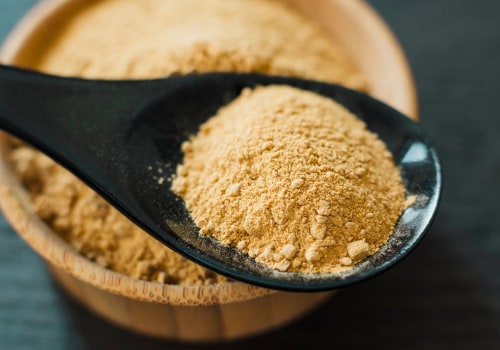
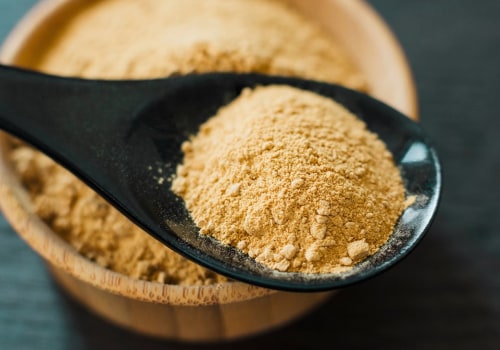
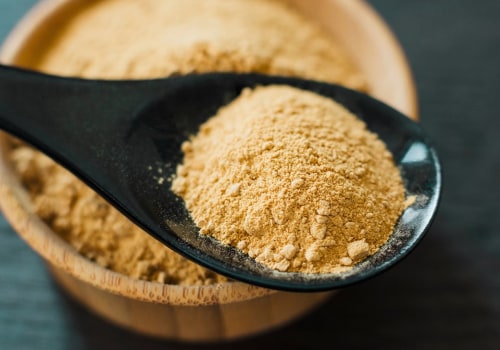
Maca root powder has a nutty, earthy flavor that can enhance various dishes. Here are some creative ways to incorporate it into your meals:- Smoothies: Add 1-2 teaspoons of maca powder to your favorite smoothie recipe. It pairs well with bananas, spinach, and almond milk for a nutritious breakfast or snack.
-
Baking: Incorporate maca into baked goods like muffins, pancakes, or energy bars.
Replace 1/4 cup of flour with maca powder in your recipes for an added health boost.
- Oatmeal: Stir in a teaspoon of maca powder into your morning oatmeal or overnight oats for an extra layer of flavor and nutrition.
- Coffee or Tea: Mix maca powder into your coffee or tea for a unique twist. It can enhance the flavor while providing an energy boost without the jitters associated with caffeine.
- Soups and Stews: Add maca to soups or stews during cooking. It blends well with savory flavors and can enhance the nutritional profile of your meals.
Maca Root Myths and Misconceptions
As the popularity of maca root continues to rise, so too do the myths and misconceptions surrounding this ancient superfood.Understanding the truth about maca is essential for anyone considering its incorporation into their health regimen. Here, we will debunk some of the most common myths associated with maca root.
-
Myth 1: Maca is a Hormone Replacement Therapy
Many people believe that maca can serve as a natural alternative to hormone replacement therapy (HRT). While maca is known to support hormonal balance, it does not contain hormones itself. Instead, it may help regulate the body’s own hormone production, making it a supportive supplement rather than a direct replacement. -
Myth 2: Maca is Only for Women
Another common misconception is that maca is exclusively beneficial for women, particularly for those experiencing menopause.In reality, maca offers numerous benefits for both genders. Studies have shown that men can experience improved libido, energy levels, and even fertility enhancements when incorporating maca into their diets.
-
Myth 3: All Maca Products are Created Equal
Not all maca products are the same. The quality and processing methods can significantly affect the nutritional profile of maca. It’s crucial to choose high-quality, organic maca from reputable sources to ensure you are receiving the full spectrum of its health benefits. -
Myth 4: Maca Causes Weight Gain
Some individuals fear that consuming maca will lead to unwanted weight gain.However, there is no scientific evidence supporting this claim. In fact, many users report enhanced energy and stamina, which can contribute to a more active lifestyle and potentially aid in weight management.
-
Myth 5: Maca is a Stimulant
Unlike caffeine or other stimulants, maca does not provide a quick energy boost followed by a crash. Instead, it works gradually to enhance overall vitality and endurance without the jittery side effects associated with stimulants.
With proper understanding and usage, maca can be a valuable addition to your health journey.
Frequently Asked Questions about Maca Root
As the popularity of maca root continues to rise, many individuals have questions about its benefits, uses, and potential side effects. Below are some of the most frequently asked questions regarding maca root.What is maca root?
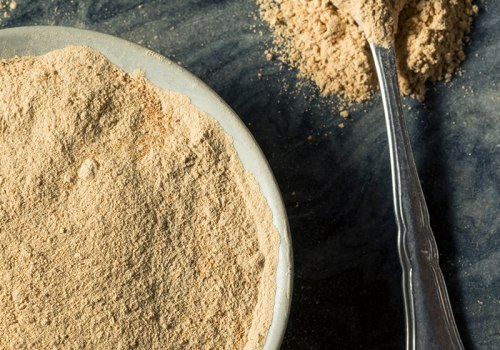
Maca root is a cruciferous vegetable native to the Andes mountains in Peru. It has been cultivated for thousands of years and is often referred to as a superfood due to its rich nutrient profile. Maca is typically available in powder form, capsules, or as an extract.What are the primary benefits of maca root?
- Energy Boost: Many users report increased energy levels and stamina after incorporating maca into their diets.
- Hormonal Balance: Maca is believed to help balance hormones, which can be particularly beneficial for women experiencing menopause or menstrual irregularities.
- Improved Mood: Some studies suggest that maca may help reduce feelings of anxiety and depression, contributing to an overall improved mood.
- Enhanced Libido: Maca has been traditionally used as an aphrodisiac, with some research indicating it may boost sexual desire in both men and women.
Is maca effective for everyone?
The effectiveness of maca can vary from person to person.While many individuals experience positive effects, others may not notice significant changes. Factors such as dosage, individual health conditions, and lifestyle can influence how maca affects you.
Are there any side effects associated with maca?
Maca is generally considered safe for most people when consumed in moderate amounts. However, some individuals may experience mild side effects such as gastrointestinal discomfort or headaches. It’s advisable to start with a small dose and gradually increase it while monitoring your body’s response.How should I take maca root?
Maca can be consumed in various forms, including:- Maca Powder: Add it to smoothies, oatmeal, or baked goods.
- Capsules: A convenient option for those who prefer not to taste the root.
- Tinctures: Liquid extracts that can be added to drinks or taken directly.
As with any supplement, it's wise to consult with a healthcare provider before starting new dietary practices.
Conclusion: The Balanced View on Maca Root Benefits
In summary, the exploration of maca root benefits reveals a complex interplay between its potential health advantages and the associated risks. While maca has garnered attention for its purported ability to enhance energy levels, improve mood, and support hormonal balance, it is crucial to approach these claims with a discerning eye. One of the most significant takeaways from our discussion is that while many individuals report positive experiences with maca, scientific research is still evolving. The evidence supporting its benefits, such as increased libido and improved fertility, is promising but not yet definitive. As with any supplement, individual responses can vary widely, and what works for one person may not yield the same results for another. Moreover, understanding the potential side effects is equally important.Although maca is generally considered safe for most people when consumed in moderation, some may experience gastrointestinal discomfort or headaches. More serious reactions, though rare, can occur and should not be overlooked. Therefore, consulting with a healthcare professional before incorporating maca into your routine is advisable, especially for those with pre-existing health conditions or those taking medications. Ultimately, the key to benefiting from maca lies in moderation and informed usage. Here are some essential points to consider:
- Consultation: Always seek advice from a healthcare provider before starting any new supplement.
- Moderation: Stick to recommended dosages to minimize the risk of side effects.
- Awareness: Pay attention to how your body responds to maca and adjust your intake accordingly.
- Research: Stay informed about ongoing studies regarding maca's health benefits and risks.
By understanding both its advantages and limitations, individuals can make informed decisions that align with their health goals.