Clear guidance on maca root
The Surprising Truth About Maca: Comprehensive Insights on Benefits, Risks, and Side Effects
Discover the surprising truth about maca root benefits, including its effects on libido, energy, and potential risks. Learn more now!

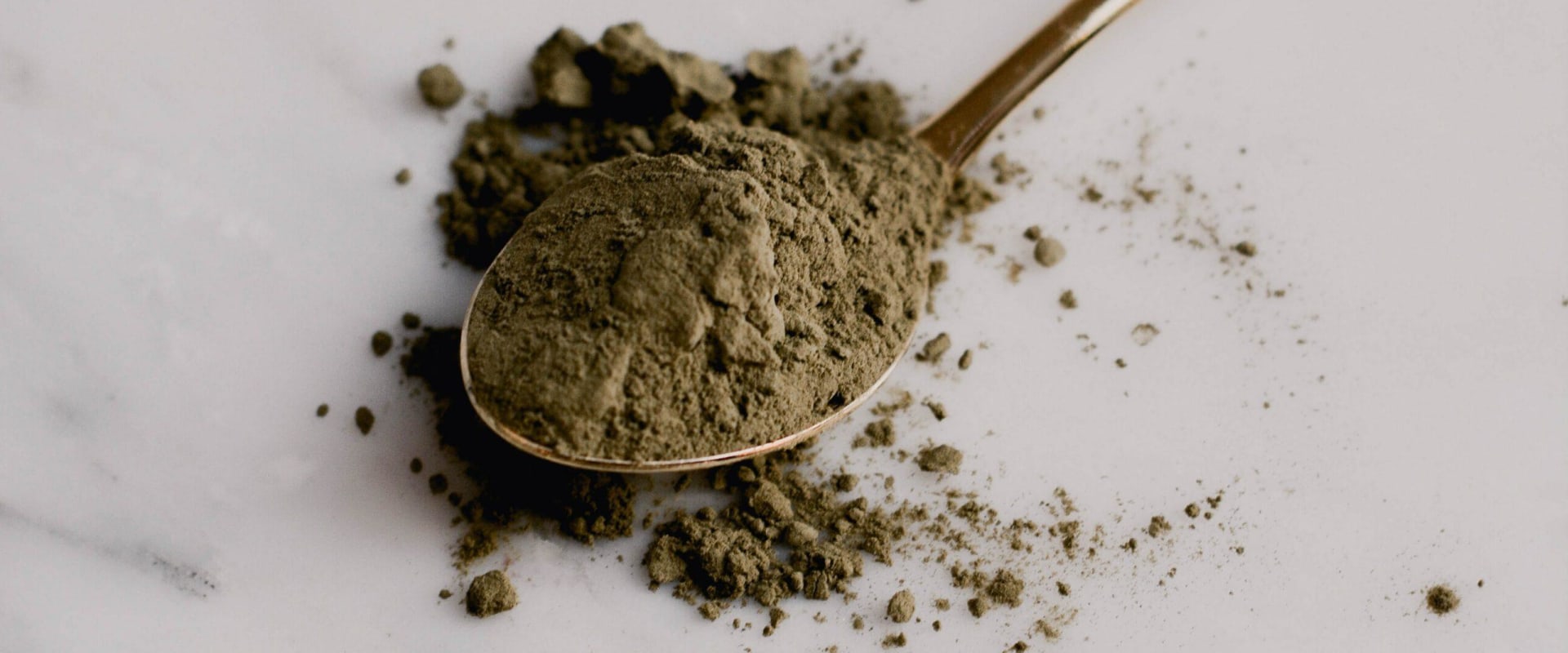
Maca root, scientifically known as Lepidium meyenii, is a remarkable superfood that has gained significant attention in recent years for its potential health benefits. This nutrient-dense root vegetable hails from the high altitudes of the Andes mountains in Peru, where it has been cultivated for over 2,000 years. Traditionally, the indigenous people of this region have utilized maca not only as a food source but also for its medicinal properties, believing it to enhance fertility, energy levels, and overall vitality. As interest in natural health solutions continues to rise, understanding the origins and nutritional profile of maca root is essential for anyone considering its incorporation into their diet. The nutritional composition of maca is what sets it apart from other superfoods.
Rich in essential vitamins and minerals, maca root contains a variety of nutrients that contribute to its health-promoting properties. It is an excellent source of vitamin C , iron , calcium , and several B vitamins, which are crucial for energy production and metabolic function. Additionally, maca is packed with amino acids, including all eight essential amino acids that our bodies cannot produce on their own. This makes it a valuable addition to vegetarian and vegan diets. Moreover, maca root is known for its unique profile of bioactive compounds, including glucosinolates and polyphenols, which are believed to play a role in its health benefits.
These compounds may help combat oxidative stress and inflammation in the body, further enhancing the appeal of maca as a functional food. As we delve deeper into the maca root benefits, it becomes clear that this ancient Peruvian root offers a wealth of potential advantages for modern health enthusiasts.
The Health Benefits of Maca Root
Maca root, a nutrient-rich superfood native to the Andes mountains of Peru, has gained significant attention for its numerous health benefits. This ancient root vegetable is not only celebrated for its unique flavor but also for its potential to enhance overall well-being. Below, we explore the various health benefits of maca , focusing on its effects on libido, hormonal balance, energy levels, and more.1.Enhancing Libido and Sexual Function
One of the most well-known advantages of maca root is its ability to boost libido.
Research has indicated that maca can significantly improve sexual desire in both men and women. In a study involving postmenopausal women, participants who consumed maca reported increased sexual satisfaction and desire compared to those who did not. This effect is believed to be linked to maca's ability to balance hormones and improve overall sexual health.
2.Hormonal Balance
Maca is often touted as a natural remedy for hormonal imbalances. It contains compounds known as glucosinolates, which may help regulate estrogen levels in women and testosterone levels in men.
This regulation can alleviate symptoms associated with hormonal fluctuations, such as mood swings, hot flashes, and fatigue. For individuals seeking alternatives to hormone replacement therapies, maca presents a promising option.
3.Boosting Energy Levels
Many users of maca report increased energy and stamina, making it a popular choice among athletes and those with active lifestyles. The root is rich in essential amino acids and carbohydrates that provide a natural energy boost without the crash associated with caffeine or sugar. Incorporating maca into your diet may help enhance endurance during physical activities and improve recovery times.
4.Supporting Mental Clarity
Emerging research suggests that maca may also have positive effects on cognitive function.
Some studies indicate that regular consumption of maca can enhance memory and learning capabilities, potentially due to its antioxidant properties that protect brain cells from oxidative stress. While more research is needed in this area, the initial findings are promising for those looking to support their mental clarity.
5.Nutritional Profile
Maca root is not only beneficial for hormonal balance and energy but also boasts an impressive nutritional profile. It is rich in vitamins (such as vitamin C), minerals (including iron and calcium), fiber, and essential fatty acids. This combination of nutrients contributes to overall health and well-being, making maca a valuable addition to any diet.
In conclusion, the health benefits of maca are extensive and varied, ranging from enhanced libido to improved energy levels and hormonal balance.
As with any supplement, it is advisable to consult with a healthcare professional before incorporating maca into your routine to ensure it aligns with your individual health needs. As with any supplement, it is advisable to consult with a healthcare professional before incorporating maca into your routine to ensure it aligns with your individual health needs.
Maca Root and Sexual Health: A Closer Look
The relationship between maca root and sexual health has garnered significant attention in recent years, particularly for its potential to enhance libido and address various forms of sexual dysfunction. This ancient Peruvian superfood is not only rich in essential nutrients but also boasts a unique profile of compounds that may positively influence sexual well-being. One of the most compelling aspects of maca is its ability to boost libido in both men and women. Research indicates that regular consumption of maca can lead to increased sexual desire, making it a popular choice for those looking to enhance their intimate relationships. A study published in the journal Andrologia found that men who took maca experienced a notable increase in sexual desire after just eight weeks of supplementation.This effect is believed to be linked to maca's ability to balance hormone levels, particularly testosterone, which plays a crucial role in sexual function. In addition to enhancing libido, maca has shown promise in addressing erectile dysfunction (ED). For men experiencing difficulties with achieving or maintaining an erection, maca may offer a natural alternative to traditional treatments. A systematic review highlighted that maca supplementation could improve erectile function, potentially due to its positive effects on blood circulation and hormonal balance. Women also stand to benefit from maca's effects on sexual health. Postmenopausal women, in particular, may find relief from symptoms associated with hormonal changes, such as decreased libido and vaginal dryness.
Maca's adaptogenic properties help the body adapt to stress and hormonal fluctuations, which can enhance overall sexual satisfaction. While the benefits of maca for sexual health are promising, it is essential to approach its use with caution. As with any supplement, individual responses can vary. Consulting with a healthcare professional before starting maca is advisable, especially for those with underlying health conditions or those taking medications that may interact with herbal supplements. In summary, maca root presents a natural option for enhancing sexual health through increased libido and improved erectile function. Its rich nutritional profile and adaptogenic properties make it a valuable addition to the diets of those seeking to improve their sexual well-being.
Potential Risks and Side Effects of Maca Root
While maca root is celebrated for its numerous health benefits, it is essential to consider the potential risks and side effects associated with its consumption.Understanding these factors can help individuals make informed decisions about incorporating maca into their diets.
1.Gastrointestinal Issues
One of the most commonly reported side effects of maca root is gastrointestinal discomfort. Some users may experience:
- Nausea
- Gas and bloating
- Diarrhea
- Stomach cramps
2.Hormonal Effects
Maca is known to influence hormone levels, particularly estrogen. While this can be beneficial for some, it may pose risks for others, especially those with hormone-sensitive conditions such as:
- Breast cancer
- Uterine fibroids
- Endometriosis
3.Allergic Reactions
Though rare, some individuals may experience allergic reactions to maca root. Symptoms can include:
- Itching or rash
- Swelling of the face, lips, or tongue
- Difficulties in breathing
4.Blood Pressure Changes
Maca may have an impact on blood pressure levels.
Some users report experiencing low blood pressure, which can lead to symptoms such as:
- Dizziness
- Weakness
- Fatigue
- Pale or cold skin
5.Long-term Safety Concerns
The long-term safety of maca root has not been extensively studied. While many people consume it without adverse effects, the lack of comprehensive research means that potential risks associated with prolonged use remain unclear. Therefore, it is advisable to use maca in moderation and under the guidance of a healthcare provider.
Conclusion
Maca root can offer various health benefits; however, being aware of its potential side effects and risks is crucial for safe consumption. Always consult with a healthcare professional before starting any new supplement, especially if you have pre-existing health conditions or concerns about hormonal balance.
How to Incorporate Maca into Your Diet Safely
Incorporating maca into your diet can be a rewarding experience, but it’s essential to do so safely and effectively.Here are some practical tips on how to use maca, recommended dosages, and various preparation methods to help you maximize its benefits.
Recommended Dosage of Maca
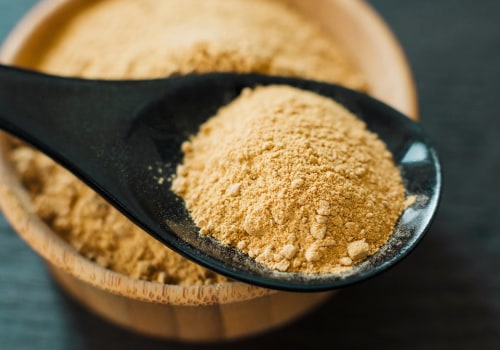
The appropriate dosage of maca can vary based on individual health needs and goals. However, general guidelines suggest:- Powdered Maca: Start with 1 to 3 teaspoons (about 5 to 15 grams) per day. This amount is typically well-tolerated and can be adjusted based on your body's response.
- Maca Capsules: If you prefer capsules, a common dosage is between 500 mg to 1,500 mg daily. Always follow the manufacturer’s instructions for specific products.
-
Gradual Increase: It’s advisable to start with a lower dose and gradually increase it over a week or two.
This approach allows your body to adjust and helps minimize potential side effects.
Preparation Methods for Maca
Maca is versatile and can be easily incorporated into various meals and snacks. Here are some popular ways to prepare and consume maca:- Smoothies: Add a teaspoon of maca powder to your favorite smoothie for an energy boost. It pairs well with fruits like bananas, berries, and spinach.
- Baking: Incorporate maca powder into baked goods such as muffins, pancakes, or energy bars. Replace a small portion of flour with maca for added nutrition.
-
Oatmeal or Yogurt: Stir maca powder into your morning oatmeal or yogurt for a nutritious breakfast option.
It enhances flavor while providing health benefits.
- Hot Beverages: Mix maca powder into hot drinks like coffee or tea. It can add a nutty flavor and boost the nutritional profile of your beverage.
Maca Root: Scientific Research and Studies
Research on maca root has gained momentum in recent years, with numerous studies exploring its potential health benefits and risks.This section delves into the scientific evidence surrounding maca, highlighting key findings from clinical trials and research studies. One of the most notable areas of research focuses on maca's effects on sexual health. A systematic review published in the journal Evidence-Based Complementary and Alternative Medicine analyzed several clinical trials and found that maca supplementation significantly improved sexual desire and function in both men and women. In one randomized, double-blind, placebo-controlled trial involving postmenopausal women, participants who took maca experienced a marked improvement in sexual dysfunction compared to those receiving a placebo. Another study published in the Journal of Ethnopharmacology examined the impact of maca on hormonal balance. The researchers discovered that maca could influence estrogen levels without containing phytoestrogens, making it a unique option for women seeking natural alternatives to hormone therapy.
This finding is particularly significant for those experiencing symptoms related to menopause, such as hot flashes and mood swings. In addition to sexual health, maca has been studied for its potential effects on energy levels and athletic performance. A study in the International Journal of Sports Nutrition and Exercise Metabolism found that athletes who consumed maca experienced improved endurance and reduced fatigue during exercise. This suggests that maca may serve as a natural ergogenic aid, enhancing physical performance without the side effects associated with synthetic supplements. However, while the benefits of maca are promising, it is essential to consider potential risks. Some studies have reported mild gastrointestinal discomfort as a side effect of maca supplementation.
A review published in Nutrition Journal highlighted that while most individuals tolerate maca well, some may experience digestive issues or headaches. Overall, the scientific evidence supporting the benefits of maca root is compelling, yet further research is necessary to fully understand its long-term effects and safety profile. As with any supplement, individuals should consult healthcare professionals before incorporating maca into their routine to ensure it aligns with their health needs.
Frequently Asked Questions About Maca Root
As the popularity of maca root continues to rise, many individuals have questions about its benefits, uses, and potential side effects. Below are some of the most frequently asked questions regarding maca root.What is maca root?
Maca root is a cruciferous vegetable native to the Andes mountains in Peru. It has been used for centuries by indigenous people for its nutritional and medicinal properties.Often referred to as a superfood, maca is available in various forms, including powder, capsules, and extracts.
What are the primary benefits of maca root?
- Enhanced energy levels: Many users report increased stamina and energy when consuming maca.
- Improved sexual health: Maca is known for its potential to boost libido and alleviate sexual dysfunction in both men and women.
- Hormonal balance: It may help regulate hormonal levels, particularly in women experiencing menopause.
- Mood enhancement: Some studies suggest that maca can help reduce symptoms of anxiety and depression.
Is maca good for everyone?
While many people can benefit from incorporating maca into their diets, it may not be suitable for everyone. Individuals with certain health conditions, such as hormone-sensitive cancers or thyroid issues, should consult a healthcare professional before using maca. Pregnant or breastfeeding women should also seek medical advice prior to consumption.How should I take maca root?
Maca can be consumed in various ways. The powdered form can be added to smoothies, oatmeal, or baked goods.Capsules are also available for those who prefer a more convenient option. It's essential to start with a small dose and gradually increase it to assess tolerance.
Are there any side effects associated with maca?
Generally considered safe for most people, some may experience mild side effects such as digestive upset or headaches. If you notice any adverse reactions, it's advisable to discontinue use and consult a healthcare provider. In summary, while maca root offers numerous potential benefits, it's crucial to approach its use with informed caution. Always consult with a healthcare professional if you have specific health concerns or conditions before adding it to your routine.Conclusion: Weighing the Benefits Against the Risks of Maca Root
In summary, the exploration of maca root benefits reveals a complex interplay between its potential advantages and associated risks.As we have discussed, maca is not merely a trendy superfood; it has a rich history of use in traditional medicine, particularly in Peru, where it has been valued for its ability to enhance vitality and sexual health. Among the most notable benefits of maca root are its positive effects on sexual function, hormonal balance, and overall well-being. Research indicates that maca can help alleviate symptoms of erectile dysfunction in men and improve sexual desire in both genders. For women, particularly those experiencing menopause, maca may offer relief from hot flashes, mood swings, and fatigue, making it a compelling alternative to hormone replacement therapies. However, it is crucial to approach the use of maca with caution. While many individuals report positive outcomes, the potential for side effects cannot be overlooked.
Mild gastrointestinal issues and headaches are among the most commonly reported reactions. Furthermore, the long-term safety of maca remains largely unstudied, raising questions about its prolonged use. To make an informed decision about incorporating maca into your health regimen, consider the following:
- Consult a healthcare professional: Before starting any new supplement, especially if you have pre-existing health conditions or are taking medications.
- Start with small doses: Gradually increase your intake to assess your body's response to maca.
- Monitor for side effects: Be vigilant about any adverse reactions and discontinue use if necessary.
Therefore, personal experience combined with professional guidance is key to safely enjoying the benefits of this remarkable root.