Clear guidance on maca root
The Benefits and Risks of Taking a Break from Maca: An Expert's Perspective
Explore the benefits and risks of maca root, including expert insights on taking breaks for optimal health and wellness.


Maca root, scientifically known as Lepidium meyenii, is a remarkable plant native to the high altitudes of the Andes mountains in Peru. For centuries, it has been revered not only for its unique flavor but also for its extensive health benefits. Traditionally, indigenous communities have utilized maca as a staple food source, often incorporating it into their diets to enhance energy levels, stamina, and overall vitality. The historical significance of maca is profound; it was even considered a sacred food by the Inca civilization, who believed it contributed to strength and fertility. The nutritional profile of maca root is impressive, making it a valuable addition to any diet.
Rich in essential vitamins and minerals, maca contains significant amounts of vitamin C, copper, and iron. Additionally, it is packed with amino acids and various phytonutrients that contribute to its health-promoting properties. The root is particularly noted for its high content of glucosinolates and macamides, compounds that are believed to play a crucial role in enhancing mood and cognitive function. This unique combination of nutrients not only supports physical health but also promotes mental well-being. In recent years, the popularity of maca has surged beyond its native regions, with many people around the world seeking out its potential maca root benefits.
From athletes looking for a natural energy boost to individuals seeking hormonal balance and improved sexual health, maca has garnered attention for its versatility as a dietary supplement. However, understanding the origins and nutritional components of maca is essential for anyone considering its use. This foundational knowledge will help illuminate both the potential benefits and risks associated with taking breaks from maca consumption.
Health Benefits of Maca Root
Maca root, a powerful adaptogen native to the Andes mountains, has gained significant attention for its numerous health benefits. This ancient superfood is not only revered for its nutritional profile but also for its ability to enhance overall well-being.Below, we explore some of the most notable advantages of incorporating maca root into your diet.
Increased Energy Levels
One of the most celebrated maca root advantages is its potential to boost energy levels. Many users report feeling more energized and less fatigued after consuming maca. This effect is attributed to its rich nutrient content, including vitamins, minerals, and amino acids that support energy production in the body. Unlike caffeine, which can lead to a crash, maca provides a more sustained energy boost without the jitters.Improved Mood and Mental Clarity
Maca root is also known for its positive effects on mood and mental clarity.Research suggests that it may help alleviate symptoms of anxiety and depression by balancing hormones and neurotransmitters in the brain. The presence of macamides in maca is believed to enhance levels of anandamide, a neurotransmitter associated with feelings of happiness and well-being. Regular consumption may lead to improved focus and cognitive function, making it an excellent addition for those seeking mental clarity.
Enhanced Fertility
For couples trying to conceive, maca root has been traditionally used as a fertility enhancer. Studies indicate that it may improve sperm quality in men and regulate menstrual cycles in women.The nutrients found in maca support reproductive health by promoting hormonal balance, which is crucial for fertility. Additionally, its adaptogenic properties help reduce stress, further supporting reproductive function.
Hormonal Balance
Maca root is particularly beneficial for hormonal balance in both men and women. It has been shown to help alleviate symptoms associated with hormonal fluctuations, such as those experienced during menopause or PMS. By supporting the endocrine system, maca can help stabilize hormone levels, leading to improved mood, reduced irritability, and enhanced libido. In conclusion, the health benefits of maca root are extensive and varied.From increased energy levels to improved mood and enhanced fertility, this natural supplement offers a holistic approach to wellness. As with any supplement, it’s essential to consult with a healthcare professional before adding maca to your routine, especially if you have underlying health conditions or are taking medications.
Potential Risks and Side Effects of Maca Consumption
While maca root is celebrated for its numerous health benefits, it is essential to consider the potential risks and side effects associated with its consumption. Understanding these aspects can help individuals make informed decisions about incorporating maca into their diets.Digestive Issues
One of the most commonly reported side effects of maca consumption is digestive discomfort. Some individuals may experience symptoms such as bloating, gas, or diarrhea, particularly when they first start taking maca or when they consume it in large quantities.
To mitigate these effects, it is advisable to begin with a smaller dose and gradually increase it as your body adjusts.
Hormonal Effects
Maca is known to influence hormone levels due to its adaptogenic properties. While many people benefit from this effect, it can pose risks for certain individuals. For example, those with hormone-sensitive conditions, such as breast cancer or prostate cancer, should exercise caution when considering maca supplementation. The root may stimulate estrogen production, which could exacerbate these conditions.
Contraindications
- Pregnancy and Breastfeeding: Pregnant and breastfeeding women should consult their healthcare provider before using maca, as there is limited research on its safety during these periods.
- Thyroid Issues: Maca contains goitrogens, which can interfere with thyroid function.
Individuals with hypothyroidism or other thyroid disorders should be cautious and seek medical advice before using maca.
- Medication Interactions: Maca may interact with certain medications, particularly those that affect hormone levels or blood sugar. If you are on medication for diabetes or hormonal therapies, consult your doctor before adding maca to your regimen.
Allergic Reactions
Though rare, some individuals may experience allergic reactions to maca. Symptoms can include skin rashes, itching, or respiratory issues. If you suspect an allergy, discontinue use immediately and seek medical attention. In conclusion, while the benefits of maca root are well-documented, it is crucial to be aware of the potential risks and side effects.
By understanding these factors and consulting with a healthcare professional when necessary, you can safely enjoy the advantages that maca has to offer.
The Importance of Taking Breaks from Maca: Expert Insights
Taking breaks from maca consumption, often referred to as maca cycling, is a practice that many health enthusiasts and experts advocate for. This approach involves alternating periods of maca intake with breaks, allowing the body to reset and maintain its responsiveness to the supplement's benefits. Understanding the rationale behind this practice can significantly enhance your experience with maca root. One of the primary reasons for taking breaks from maca is to prevent the body from developing a tolerance to its effects. Just like with many supplements, continuous use can lead to diminished results over time.By cycling maca, users can help ensure that they continue to experience its full range of benefits, including increased energy levels, improved mood, and enhanced libido. Experts suggest that a typical cycle might involve consuming maca for three weeks followed by a one-week break. This pattern allows the body to process and utilize the active compounds in maca without becoming desensitized. During the break period, individuals can explore other natural supplements or dietary changes that may complement their health goals. Additionally, taking breaks can help mitigate any potential side effects associated with prolonged use. While maca is generally considered safe, some users report mild digestive discomfort or hormonal fluctuations when taken continuously.
By incorporating rest periods into your regimen, you can minimize these risks and promote overall well-being. Moreover, cycling maca can enhance mental clarity and emotional balance. The compounds in maca, such as macamides, are known to influence neurotransmitter activity in the brain. Continuous consumption may lead to an overabundance of these compounds, potentially disrupting mental equilibrium. Taking breaks allows for a natural recalibration of these neurotransmitters, fostering a more stable mood and cognitive function. In conclusion, taking breaks from maca is not just a trend but a strategic approach endorsed by experts to maximize the benefits of this powerful root.
By understanding the importance of cycling and implementing it into your routine, you can enjoy sustained energy levels, improved mood stability, and overall enhanced health outcomes.
How to Safely Incorporate Maca into Your Diet
Incorporating maca into your diet can be a rewarding experience, but it’s essential to do so safely and effectively. Here are some practical tips and recommendations to help you get started.Understanding Dosage Recommendations
- The typical daily dosage of maca ranges from 5 to 15 grams, which is approximately one to three teaspoons.
- For beginners, starting with a lower dose, such as 5 grams, is advisable. This allows your body to adjust to the supplement.
- After a week or two, you can gradually increase the dosage based on your comfort level and desired effects.
Choosing the Right Form of Maca
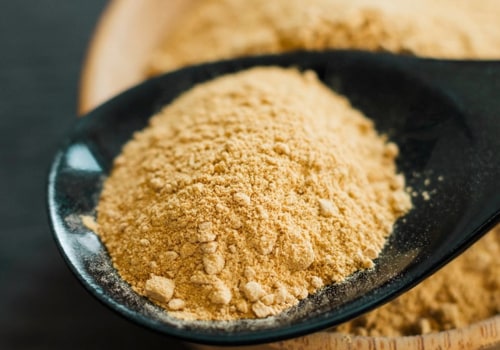
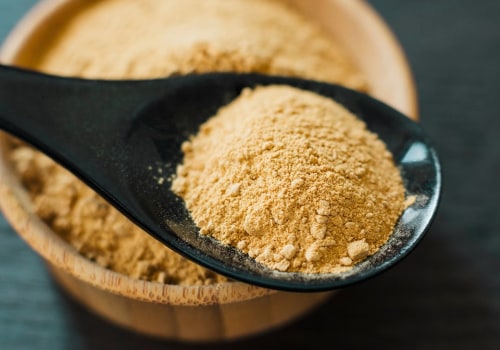
Maca is available in various forms, including powder, capsules, and liquid extracts. Each form has its own benefits:
- Maca Powder: This versatile form can be easily added to smoothies, oatmeal, or baked goods.
It has a slightly nutty flavor that complements many recipes.
- Capsules: For those who prefer convenience, maca capsules offer a straightforward way to consume the supplement without any taste.
- Liquid Extracts: These are concentrated forms of maca that can be added to drinks or taken directly. They may provide quicker absorption but should be used according to the manufacturer’s instructions.
Incorporating Maca into Your Daily Routine
To maximize the benefits of maca, consider these incorporation strategies:
- Smoothies: Blend maca powder with fruits, vegetables, and your choice of milk or yogurt for a nutritious breakfast or snack.
- Baking: Add maca powder to muffins, pancakes, or energy bars for an extra nutritional boost.
- Hot Beverages: Stir maca powder into your morning coffee or tea for an energizing start to your day.
Taking Breaks from Maca
It’s also important to consider taking breaks from maca consumption. Experts recommend taking a break of one day per week or one week per month. This practice helps prevent your body from becoming too accustomed to the supplement and maintains its effectiveness.
Consulting with Healthcare Professionals
If you have any underlying health conditions or are taking medications, it’s crucial to consult with a healthcare professional before adding maca to your diet.
They can provide personalized advice based on your health needs and ensure that maca is safe for you. By following these guidelines, you can safely incorporate maca into your diet and enjoy its numerous health benefits while minimizing any potential risks.
Alternatives to Maca During Breaks: Natural Energy Solutions
When taking a break from maca, it’s essential to maintain your energy levels and overall wellness. Fortunately, there are several natural energy supplements that can serve as effective alternatives during this period. Below are some noteworthy options:- Rhodiola Rosea: This adaptogenic herb is known for its ability to enhance physical and mental performance. Rhodiola can help combat fatigue and improve endurance, making it an excellent substitute for maca during breaks.
- Ginseng: Often used in traditional medicine, ginseng is celebrated for its energy-boosting properties.
It can help improve stamina and reduce feelings of fatigue, providing a natural lift when you need it most.
- Green Tea Extract: Rich in antioxidants and caffeine, green tea extract offers a gentle energy boost without the jitters associated with stronger stimulants. It also supports metabolism and overall health.
- L-Theanine: Commonly found in tea leaves, L-theanine promotes relaxation without drowsiness. When combined with caffeine, it can enhance focus and alertness, making it a great option for those looking to maintain productivity during their maca breaks.
- Ashwagandha: Another adaptogen, ashwagandha is known for its stress-reducing properties. It helps balance cortisol levels and can provide a calming effect while still supporting energy levels.
- Nuts and Seeds: Almonds, walnuts, chia seeds, and flaxseeds are packed with healthy fats and protein that provide sustained energy throughout the day.
- Fruits: Bananas, apples, and berries are excellent sources of natural sugars and fiber, offering quick energy boosts without the crash.
- Whole Grains: Foods like oatmeal and quinoa release energy slowly, helping to keep you energized over longer periods.
Always remember to consult with a healthcare professional before introducing new supplements into your regimen to ensure they align with your health goals.
Frequently Asked Questions About Maca Root
As interest in maca root continues to grow, many individuals have questions regarding its safety, efficacy, and potential interactions. Below are some of the most frequently asked questions about maca root.Is maca root safe for pregnant women?
The safety of maca root during pregnancy is a topic of ongoing debate. While some studies suggest that maca may offer benefits such as increased energy and improved mood, there is limited research on its effects during pregnancy. Therefore, it is crucial for pregnant women to consult with their healthcare provider before incorporating maca into their diet.Can maca root interact with medications?
Maca root is generally considered safe for most people; however, it can interact with certain medications.For instance, individuals taking hormone replacement therapy or medications that affect hormone levels should exercise caution. It is advisable to discuss any potential interactions with a healthcare professional, especially if you are on prescription medications.
What are the common side effects of maca?
While maca is well-tolerated by many, some individuals may experience side effects such as:- Digestive issues: Some users report bloating or gas.
- Insomnia: Due to its energizing properties, taking maca too late in the day may disrupt sleep.
- Hormonal changes: As maca can influence hormone levels, some may notice changes in menstrual cycles or mood swings.
How should I take maca root?
Maca root can be consumed in various forms, including powder, capsules, and liquid extracts. The most common method is to add the powder to smoothies, oatmeal, or baked goods. It’s essential to follow the recommended dosage on the product label and consider taking breaks from use to maintain its effectiveness.Can children take maca root?
The safety of maca for children has not been extensively studied.While it is a natural supplement, parents should consult with a pediatrician before giving maca to children to ensure it aligns with their health needs. In summary, while maca root offers numerous potential benefits, it is essential to approach its use thoughtfully and consult healthcare professionals when necessary. This ensures that you can enjoy its advantages while minimizing any risks associated with its consumption.
Conclusion: Weighing the Benefits Against the Risks of Maca Use
In conclusion, the decision to incorporate maca root into your daily routine should be approached with careful consideration of both its benefits and potential risks. As highlighted throughout this article, maca is renowned for its numerous health advantages, including enhanced energy levels, improved mood, and increased libido. These benefits can significantly contribute to overall well-being and vitality. However, it is equally important to acknowledge the necessity of taking breaks from maca consumption.Regular intervals away from the supplement can help prevent the body from developing a tolerance to its effects, ensuring that you continue to experience its full range of benefits. Additionally, breaks allow for a reassessment of your body's response to maca and provide an opportunity to explore other natural supplements that may complement your health goals. Moreover, while maca is generally considered safe for most individuals, there are specific populations—such as pregnant women, children, and those with pre-existing health conditions—who should exercise caution. Consulting with a healthcare professional before starting or pausing maca supplementation is crucial for ensuring safety and efficacy. Ultimately, informed decision-making is key when it comes to supplement use. By weighing the benefits against the risks and considering personal health circumstances, you can make choices that align with your wellness objectives.
Whether you choose to embrace maca as a staple in your diet or opt for periodic breaks, understanding its impact on your body will empower you to optimize your health journey.