Clear guidance on maca root
The Truth About Maca: Debunking Myths and Exploring Maca Root Benefits
Discover the truth about maca root, its health benefits, and debunk common myths surrounding this superfood. Learn how to incorporate it into your diet.

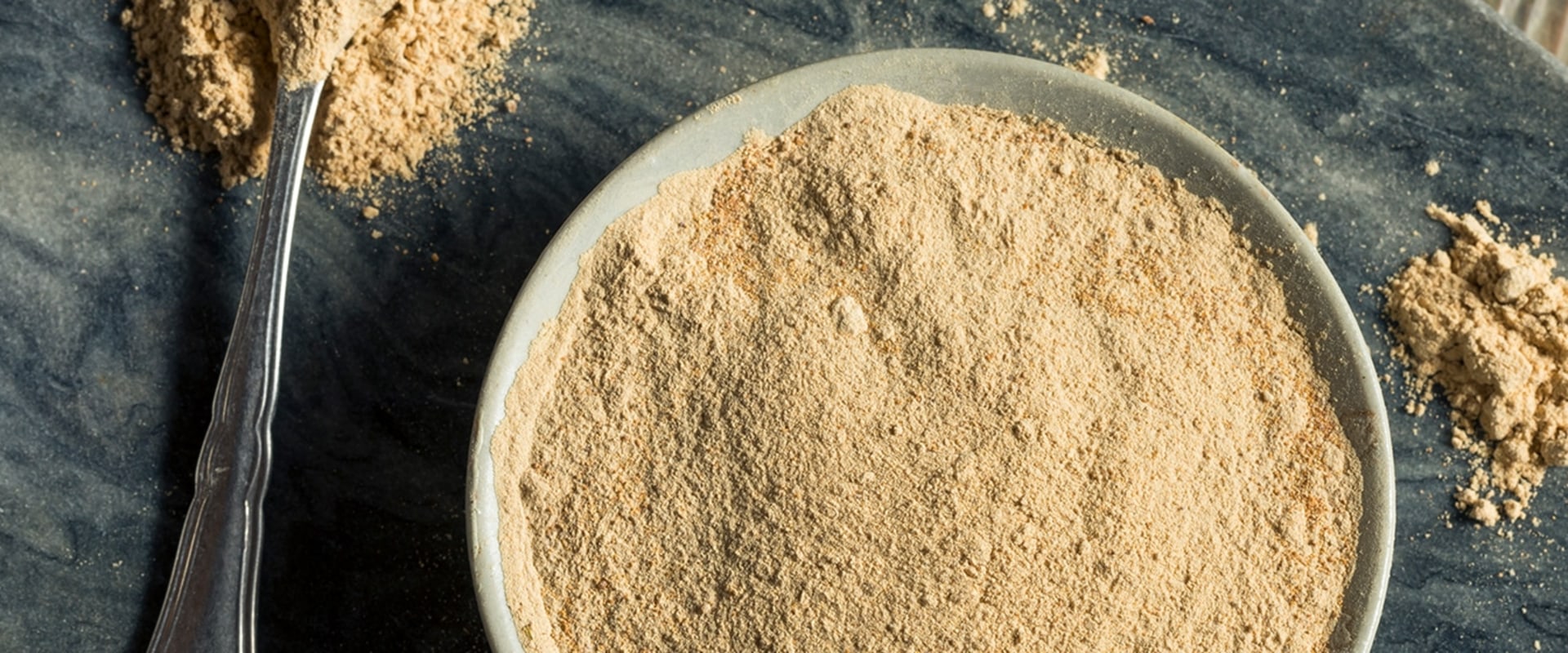
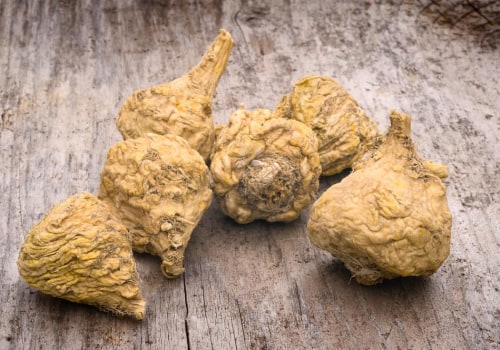
Maca root, scientifically known as Lepidium meyenii, is a cruciferous vegetable that has been cultivated in the high altitudes of the Andes Mountains in Peru for thousands of years. This remarkable root has been a staple food for indigenous populations, revered not only for its nutritional value but also for its potential health benefits. Traditionally, maca has been used to enhance stamina, boost energy levels, and improve overall well-being. In recent years, it has gained significant attention in the health and wellness community, often hailed as a superfood due to its rich nutrient profile. The rise in popularity of maca can be attributed to its impressive array of vitamins and minerals, including vitamin C, iron, and potassium.
Additionally, maca contains unique compounds known as macamides and macaenes, which are believed to contribute to its health-promoting properties. As more people seek natural alternatives to enhance their vitality and support their health, maca root has emerged as a go-to supplement for those looking to improve their physical and mental performance. Despite its long history of use, misconceptions about maca abound. Some individuals may question its safety or efficacy, while others may be unsure about how to incorporate it into their diets. Understanding the true maca root benefits is essential for anyone considering adding this powerful superfood to their routine.
In this article, we will explore the origins of maca, delve into its numerous health benefits, and debunk common myths surrounding this ancient root vegetable.
Nutritional Profile of Maca Root
Maca root, a cruciferous vegetable native to the Andes mountains of Peru, is not only celebrated for its potential health benefits but also for its impressive nutritional profile. Understanding the vitamins, minerals, and unique compounds found in maca can help individuals appreciate its role in promoting overall health. One of the standout features of maca root is its rich content of essential vitamins. It is particularly high in:- Vitamin C : This antioxidant vitamin plays a crucial role in immune function, skin health, and collagen production.
- B Vitamins : Maca contains several B vitamins, including B1 (thiamine), B2 (riboflavin), B3 (niacin), and B6 (pyridoxine). These vitamins are vital for energy metabolism and maintaining healthy brain function.
- Vitamin E : Known for its antioxidant properties, vitamin E helps protect cells from oxidative stress and supports skin health.
- Iron : Essential for the formation of red blood cells, iron helps transport oxygen throughout the body and is crucial for energy levels.
- Calcium : Important for bone health, calcium also plays a role in muscle function and nerve signaling.
- Potassium : This mineral helps regulate fluid balance, muscle contractions, and nerve signals.
- Zinc : Vital for immune function and wound healing, zinc also supports reproductive health.
- Magnesium : Involved in over 300 biochemical reactions in the body, magnesium supports muscle and nerve function as well as energy production.
These compounds are believed to contribute to many of maca's health benefits, including:
- Enhancing energy levels and stamina
- Supporting hormonal balance
- Improving mood and reducing anxiety
Health Benefits of Maca Root
Maca root, a powerful superfood native to the Andes mountains of Peru, has garnered attention for its impressive array of health benefits. This nutrient-dense root is not only a staple in traditional diets but has also become a popular supplement in modern wellness practices. Below, we delve into some of the most notable health benefits of maca , particularly focusing on its effects on energy levels, hormonal balance, and mood enhancement.Energy Enhancement
One of the most celebrated maca root benefits is its ability to boost energy levels.Many athletes and fitness enthusiasts incorporate maca into their diets to enhance performance and endurance. Research indicates that maca may help improve stamina and reduce fatigue, making it an excellent natural alternative to caffeine. A study published in the journal Evidence-Based Complementary and Alternative Medicine found that participants who consumed maca experienced increased energy and improved exercise performance compared to those who did not. This energizing effect is attributed to the root's rich nutrient profile, which includes essential vitamins, minerals, and amino acids that support overall vitality.
Hormonal Balance
Maca is often touted for its potential to support hormonal balance, particularly in women. It is believed to help alleviate symptoms associated with hormonal fluctuations, such as those experienced during menstruation or menopause.The root contains compounds known as macamides and macaenes, which may influence hormone production and regulation. Several studies have suggested that maca can help reduce menopausal symptoms like hot flashes and mood swings. A systematic review published in Menopause highlighted that women who took maca reported significant improvements in sexual function and overall well-being. This makes maca a valuable ally for those seeking natural ways to manage hormonal changes.
Mood Improvement
In addition to its physical benefits, maca has been linked to enhanced mood and mental clarity. Many users report feeling more focused and less anxious after incorporating maca into their daily routine.This effect may be due to the root's ability to support adrenal health and reduce stress levels. A study in the journal Journal of Ethnopharmacology found that participants who consumed maca experienced reduced symptoms of anxiety and depression. The adaptogenic properties of maca help the body adapt to stressors, promoting a sense of calm and emotional stability. In conclusion, the health benefits of maca root are vast and varied. From boosting energy levels to supporting hormonal balance and improving mood, this ancient superfood offers a natural solution for many modern health concerns. As with any supplement, it is advisable to consult with a healthcare professional before adding maca to your regimen, especially if you have underlying health conditions or are taking medications.
Debunking Common Myths About Maca
As the popularity of maca root continues to rise, so do the myths and misconceptions surrounding this ancient superfood.Understanding the truth behind these myths is essential for anyone considering adding maca to their diet. Let’s explore some of the most common misconceptions about maca and clarify the facts.
Myth 1: Maca is Toxic
One of the most prevalent myths is that maca can be toxic or harmful to health. This concern often stems from a misunderstanding of how maca is consumed and its effects on the body. In reality, maca has been used for centuries by indigenous peoples in Peru without any reported cases of toxicity.
The root is rich in nutrients and has been shown to be safe for most individuals when consumed in moderation.
Myth 2: Maca Causes Hormonal Imbalances
Another common misconception is that maca can disrupt hormonal balance. While it is true that maca can influence hormone levels, particularly in terms of enhancing libido and fertility, it does not act as a hormone itself. Instead, maca works by supporting the endocrine system, which helps regulate hormone production naturally. This means that rather than causing imbalances, maca may actually help restore balance in those who are experiencing hormonal issues.
Myth 3: All Maca Products Are Created Equal
Many consumers believe that all maca products offer the same benefits, but this is far from the truth.
The quality and processing methods of maca can significantly affect its nutritional profile. For instance, raw maca may contain different levels of nutrients compared to gelatinized maca, which has been processed to remove starches and enhance digestibility. When choosing a maca product, it’s important to look for high-quality sources that provide clear information about their processing methods.
Myth 4: Maca Is Only for Women
While many women use maca for its potential benefits related to hormonal health and fertility, it is a common misconception that it is only beneficial for females. In fact, men can also experience significant advantages from consuming maca, including improved energy levels, enhanced athletic performance, and increased libido.
Maca’s adaptogenic properties make it suitable for anyone looking to improve their overall well-being.
Myth 5: You Can Overdose on Maca
Some people worry about overdosing on maca due to its potent effects. However, as mentioned earlier, there are no known cases of fatal overdose from maca consumption. The recommended daily intake ranges from 1 to 3 teaspoons (5-15 grams), which is considered safe for most individuals. It’s always wise to start with a smaller amount and gradually increase as needed while monitoring your body’s response.
In conclusion, debunking these myths about maca root is crucial for informed consumption.
By understanding the facts, individuals can safely enjoy the numerous maca root benefits without unnecessary fear or confusion.
How to Incorporate Maca into Your Diet
Incorporating maca root into your diet can be both enjoyable and beneficial. This versatile superfood can be added to a variety of dishes, making it easy to reap its health benefits. Here are some practical tips on how to use maca, along with dosage recommendations and creative recipes.Dosage Recommendations
When it comes to maca dosage, moderation is key. The typical recommended daily intake ranges from 1 to 3 teaspoons (approximately 5 to 15 grams) of maca powder.If you are new to maca, it’s wise to start with a smaller amount, such as 1 teaspoon, and gradually increase it as your body adjusts. Always listen to your body and consult with a healthcare provider if you have any concerns.
Creative Ways to Use Maca
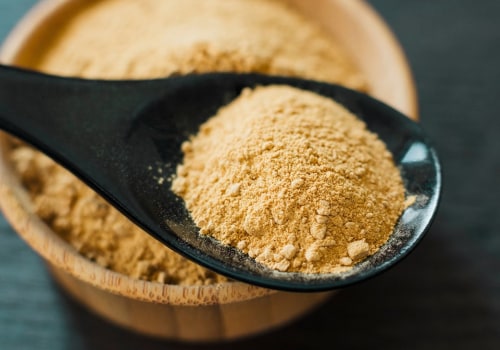
Maca powder has a slightly nutty flavor that pairs well with various foods. Here are some delicious ways to incorporate it into your meals:- Smoothies: Add 1 teaspoon of maca powder to your favorite smoothie recipe for an energy boost. It blends well with fruits like bananas, berries, and spinach.
- Baking: Substitute 1-2 tablespoons of maca powder in baked goods such as muffins, pancakes, or energy bars.
This not only enhances the nutritional profile but also adds a unique flavor.
- Oatmeal: Stir in a teaspoon of maca powder into your morning oatmeal or overnight oats for added nutrition and a subtle sweetness.
- Coffee or Tea: Mix maca powder into your coffee or tea for a natural energy lift without the jitters associated with caffeine.
- Soups and Stews: Incorporate maca into savory dishes by adding it to soups or stews during cooking. It can enhance the flavor while providing health benefits.
Maca Recipe Ideas
Here are two simple recipes that highlight the use of maca:- Maca Energy Balls:
- 1 cup rolled oats
- 1/2 cup nut butter (like almond or peanut butter)
- 1/4 cup honey or maple syrup
- 2 tablespoons maca powder
- 1/4 cup chocolate chips (optional)
- Maca Banana Smoothie:
- 1 banana
- 1 cup almond milk (or any milk of choice)
- 1 tablespoon maca powder
- 1 tablespoon chia seeds (optional)
- A handful of spinach (optional)
Experiment with different recipes and find what works best for you!
Potential Side Effects and Considerations
While maca root is celebrated for its numerous health benefits, it is essential to be aware of potential side effects and considerations before incorporating it into your diet. Understanding these aspects can help you make informed decisions about your health and wellness.Potential Side Effects of Maca
Although maca is generally considered safe for most people, some individuals may experience side effects, particularly when consuming it in large quantities. Common side effects include:- Digestive Issues: Some users report gastrointestinal discomfort, including bloating, gas, or diarrhea. These symptoms are often linked to the fiber content in maca.
Starting with a smaller dose and gradually increasing it can help mitigate these effects.
- Hormonal Changes: Maca has been known to influence hormone levels due to its adaptogenic properties. This can lead to changes in menstrual cycles for women or increased libido in both genders. Individuals with hormone-sensitive conditions should approach maca with caution.
- Nervousness or Jitteriness: As mentioned earlier, some people may feel jittery or anxious after consuming maca, especially if they are sensitive to stimulants. This reaction is typically due to the energizing effects of the root.
Who Should Avoid Maca?
While many can enjoy the benefits of maca, certain groups should exercise caution or avoid it altogether:- Pregnant and Nursing Women: Due to limited research on the safety of maca during pregnancy and lactation, it is advisable for women in these categories to avoid maca unless recommended by a healthcare provider.
- Individuals with Hormone-Sensitive Conditions: Those with conditions such as breast cancer, prostate cancer, or endometriosis should consult their healthcare provider before using maca, as it may exacerbate hormone-related issues.
- People with Thyroid Issues: Maca contains goitrogens, which can interfere with thyroid function.
Individuals with hypothyroidism or other thyroid disorders should seek medical advice before adding maca to their diet.
Interactions with Medications
Maca may interact with certain medications, particularly those that affect hormone levels or blood pressure. If you are taking any of the following types of medications, consult your healthcare provider before using maca:- Hormone Replacement Therapy (HRT): Maca's hormonal effects could interfere with HRT.
- Blood Pressure Medications: Maca may influence blood pressure levels, so monitoring is essential if you are on medication for hypertension.
- Aromatase Inhibitors: These medications are used in hormone-sensitive cancers; maca could potentially counteract their effects.
Frequently Asked Questions About Maca Root
As the popularity of maca root continues to rise, many individuals have questions about its benefits, uses, and potential side effects. Below are some of the most frequently asked questions regarding maca root, aimed at providing clarity and enhancing your understanding of this remarkable superfood.What is maca root?
Maca root is a cruciferous vegetable native to the Andes mountains in Peru.It has been cultivated for thousands of years and is often consumed in powdered form. Rich in essential nutrients, maca is known for its potential health benefits, including increased energy levels and improved mood.
What are the health benefits of maca root?
- Energy Boost: Many users report increased energy and stamina after incorporating maca into their diets.
- Hormonal Balance: Maca may help regulate hormonal levels, making it beneficial for both men and women.
- Enhanced Libido: Some studies suggest that maca can improve sexual desire and function.
- Mood Improvement: The adaptogenic properties of maca may help reduce anxiety and improve overall mood.
Is maca good for everyone?
While maca is generally considered safe for most people, it may not be suitable for everyone. Individuals with hormone-sensitive conditions or those taking medications that affect hormone levels should consult a healthcare provider before adding maca to their diet. Pregnant or breastfeeding women should also seek medical advice before using maca.How should I consume maca?
Maca can be easily incorporated into your diet.It is commonly available in powder form, which can be added to smoothies, oatmeal, or baked goods. The recommended daily intake typically ranges from 1 to 3 teaspoons (5-15 grams). Starting with a smaller amount and gradually increasing it can help you gauge how your body responds.
Are there any side effects associated with maca?
Most people tolerate maca well; however, some may experience mild digestive issues or nervousness if consumed in large quantities. It’s important to listen to your body and adjust your intake accordingly. If you have further questions about incorporating maca into your lifestyle or its specific benefits, consider consulting a nutritionist or healthcare professional for personalized advice.Conclusion: Embracing the Benefits of Maca Root Responsibly
In conclusion, the journey through the world of maca root benefits reveals a fascinating superfood that has captured the attention of health enthusiasts and researchers alike.As we have explored, maca is not just a trendy addition to smoothies or health bars; it is a nutrient-dense root vegetable with a rich history of use among the indigenous peoples of the Andes. Its potential to enhance energy levels, improve mood, and support hormonal balance makes it a valuable ally in modern wellness. However, it is crucial to approach maca with a balanced perspective. While the benefits are numerous, understanding how to incorporate this superfood into your diet responsibly is equally important. Here are some key takeaways:
- Moderation is Key: The recommended daily intake of maca powder ranges from 1 to 3 teaspoons (5-15 grams).
Starting with smaller amounts and gradually increasing can help you gauge your body's response.
- Listen to Your Body: Individual reactions to maca can vary. Some may experience increased energy and improved mood, while others might feel jittery if consumed in excess. Pay attention to how you feel after consumption.
- Consult Healthcare Professionals: If you are on medication or have specific health conditions, particularly hormone-sensitive issues, consulting with a healthcare provider before adding maca to your regimen is advisable.
- Quality Matters: Not all maca products are created equal. Opt for high-quality, organic sources to ensure you are reaping the full spectrum of benefits without unwanted additives.
By doing so, you can enjoy its myriad advantages while minimizing any potential downsides. As with any superfood, knowledge and moderation will empower you to make informed choices that align with your health goals. In summary, maca root stands out as a remarkable addition to your nutritional arsenal. With its rich profile of vitamins, minerals, and unique compounds, it offers promising health benefits that can enhance overall well-being when used thoughtfully and responsibly.