Clear guidance on maca root
The Long-Term Effects of Maca Root: Comprehensive Insights on Its Benefits
Discover the long-term effects and benefits of maca root, including its impact on energy, libido, and overall health.

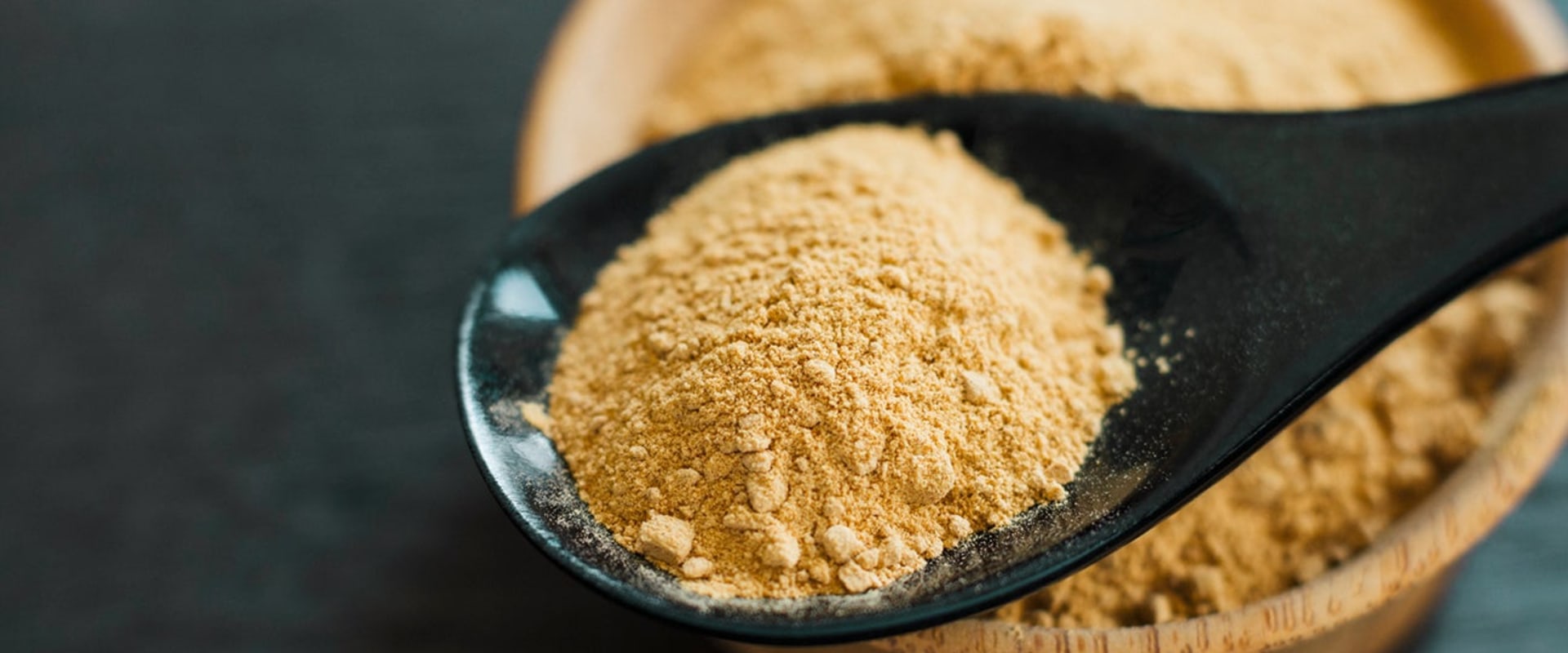
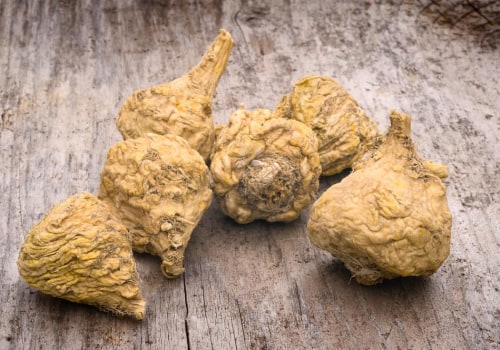
Maca root, scientifically known as Lepidium meyenii, is a cruciferous vegetable native to the high Andes of Peru. For centuries, it has been revered not only as a food source but also for its remarkable health benefits. Traditionally, indigenous communities have utilized maca root for its energizing properties and its ability to enhance fertility and sexual function. This ancient superfood has gained popularity in modern wellness circles, often marketed as a natural supplement that can boost vitality and improve overall well-being. Rich in essential nutrients, maca root is packed with vitamins, minerals, and amino acids.
It is particularly noted for its high content of vitamin C, copper, and iron, making it a valuable addition to any diet. The root comes in various colors—primarily yellow, red, and black—each offering unique benefits. While yellow maca is the most common and versatile, red and black maca are often highlighted for their specific advantages in enhancing mood and supporting hormonal balance. As we delve deeper into the maca root benefits , it’s essential to understand how this powerful adaptogen works within the body. Adaptogens are natural substances that help the body adapt to stressors and promote homeostasis.
Maca root is believed to support adrenal function, which plays a crucial role in managing stress levels. Furthermore, its potential effects on energy levels and stamina have made it a popular choice among athletes and fitness enthusiasts seeking a natural edge. In this article, we will explore the myriad benefits of maca root, particularly its long-term effects on health and wellness. From enhancing sexual health to improving cognitive function, understanding these benefits can help you make informed decisions about incorporating maca into your daily routine. As we navigate through the science behind this ancient root, you’ll discover why it has stood the test of time as a staple in both traditional medicine and contemporary health practices.
Nutritional Profile of Maca Root
Maca root, a cruciferous vegetable native to the Andes mountains of Peru, is not only celebrated for its potential health benefits but also for its impressive nutritional profile.This root vegetable is rich in essential vitamins, minerals, and bioactive compounds that contribute to its status as a superfood. One of the standout features of maca root is its vitamin content. It contains several important vitamins, including:
- Vitamin C: Known for its antioxidant properties, vitamin C plays a crucial role in immune function and skin health.
- B Vitamins: Maca is a source of various B vitamins, including B1 (thiamine), B2 (riboflavin), B3 (niacin), and B6 (pyridoxine). These vitamins are essential for energy metabolism and the proper functioning of the nervous system.
- Vitamin E: This vitamin acts as an antioxidant and is important for skin health and reproductive function.
- Calcium: Vital for bone health and muscle function, calcium is abundant in maca root.
- Iron: This mineral is crucial for oxygen transport in the blood and can help prevent anemia.
- Magnesium: Important for muscle and nerve function, magnesium also plays a role in energy production.
- Zinc: Essential for immune function and wound healing, zinc is another mineral present in maca.
These include:
- Alkaloids: These compounds may have positive effects on mood and cognitive function.
- Glucosinolates: Known for their potential anti-cancer properties, glucosinolates are found in many cruciferous vegetables, including maca.
- Saponins: These compounds may help improve cholesterol levels and support heart health.
Potential Health Benefits of Maca Root
Maca root, a nutrient-rich tuber native to the Andes mountains, has garnered attention for its potential health benefits. Traditionally used for centuries by indigenous populations, maca root is now recognized globally for its various positive effects on health and well-being. One of the most notable maca root health benefits is its ability to enhance energy levels. Many individuals report increased stamina and reduced fatigue after incorporating maca into their diets.This boost in energy can be particularly beneficial for athletes or those with demanding lifestyles. Research suggests that maca may help improve endurance and physical performance, making it a popular choice among fitness enthusiasts. In addition to energy enhancement, maca root is often associated with improved sexual health. Numerous studies indicate that maca can positively influence libido and sexual function. For both men and women, maca has been shown to increase sexual desire and improve overall sexual satisfaction.
This effect is thought to be linked to its ability to balance hormones and enhance mood, which are crucial factors in sexual health.
Maca root for libido
has become a common topic of discussion, especially among those seeking natural alternatives to pharmaceutical options. The root contains compounds that may help regulate hormonal levels, particularly in individuals experiencing hormonal imbalances due to stress or aging. By supporting hormonal balance, maca can contribute to a healthier sex drive.
Moreover, the mood-enhancing properties of maca root cannot be overlooked. Many users report feeling more balanced and less anxious after regular consumption of maca.
This effect may be attributed to its rich nutrient profile, which includes vitamins, minerals, and amino acids that support brain health and emotional well-being. In summary, the potential health benefits of maca root are vast and varied. From boosting energy levels to enhancing libido and improving mood, this ancient superfood offers a natural way to support overall health. As with any supplement, it is essential to consult with a healthcare professional before adding maca to your routine, especially if you have underlying health conditions or are taking medications.
Long-Term Use of Maca Root: What Research Says
The long-term use of maca root has garnered significant interest in both the scientific community and among health enthusiasts. While maca has been consumed for centuries, primarily in the Andean regions of South America, modern research is beginning to shed light on its potential long-term effects and safety profile. One of the primary concerns regarding the long-term consumption of maca root is its impact on hormonal balance.Some studies suggest that maca may influence hormone levels, particularly in relation to sexual health and fertility. However, the exact mechanisms remain unclear, and more research is needed to fully understand how prolonged use might affect hormonal regulation over time.
Safety Considerations
In terms of safety, current research indicates that maca is generally well-tolerated when consumed in moderate amounts. The typical recommended dosage for maca root is up to 3 grams per day. This dosage has been shown to be safe for most individuals over short periods.However, the long-term safety of maca supplementation has not been extensively studied, leading to some caution among healthcare professionals. Individuals with pre-existing health conditions, particularly those related to thyroid function, should approach maca with care. Maca contains goitrogens, which can interfere with thyroid hormone production. Therefore, those with thyroid disorders or those taking medication for thyroid issues should consult a healthcare provider before incorporating maca into their routine.
Recommended Dosages
When considering long-term use of maca root, it is essential to adhere to recommended dosages. While some users may be tempted to exceed the suggested amount in hopes of amplifying benefits, this can lead to unintended side effects.It is advisable to start with a lower dose and gradually increase it while monitoring for any adverse reactions. In conclusion, while the potential benefits of maca root are promising, particularly concerning energy levels and sexual health, more comprehensive studies are necessary to establish its long-term effects and safety profile. Individuals interested in using maca as a supplement should do so judiciously and consult with healthcare professionals to ensure it aligns with their health needs.
Maca Root and Thyroid Health
The relationship between maca root and thyroid health is a topic of growing interest, particularly due to the presence of goitrogens in maca. Goitrogens are naturally occurring substances that can interfere with the production of thyroid hormones by inhibiting the uptake of iodine, which is essential for hormone synthesis. Understanding how these compounds in maca may affect thyroid function is crucial for individuals considering its long-term use. Research indicates that while maca root is generally safe for most people, those with pre-existing thyroid conditions should approach its consumption with caution.The goitrogenic properties of maca can potentially exacerbate issues related to thyroid hormone production, especially in individuals who are already at risk for hypothyroidism or other thyroid disorders. It’s important to note that the impact of goitrogens can vary based on several factors, including:
- Type of Maca: Different varieties of maca (such as red, yellow, and black) may have varying levels of goitrogens. Some studies suggest that certain types may be less harmful than others.
- Preparation Method: Cooking or processing maca can reduce its goitrogenic effects. Traditional methods of preparation often involve drying and cooking, which may help mitigate potential risks.
- Individual Sensitivity: Each person's body reacts differently to dietary components. Those with a history of thyroid issues should monitor their response to maca closely.
However, it’s advisable to consult with a healthcare professional before incorporating maca into your diet, especially if you have concerns about thyroid health or are taking medications that affect thyroid function. In summary, while maca root offers various health benefits, its potential effects on thyroid health due to goitrogens warrant careful consideration. By understanding these interactions and making informed choices, individuals can better navigate the use of maca as a supplement while safeguarding their thyroid function.
Different Types of Maca Root and Their Effects
Maca root, a powerful adaptogen native to the Andes mountains, comes in several varieties, each offering unique health benefits. The three primary types of maca are black maca , red maca , and yellow maca. Understanding the differences between these types can help you choose the right one for your health needs.Black Maca Benefits
Black maca is often regarded as the most potent variety, particularly for enhancing stamina and energy levels.Research suggests that black maca may:
- Boost Athletic Performance: Athletes often use black maca to improve endurance and reduce fatigue during workouts.
- Enhance Libido: This variety has been linked to increased sexual desire and improved sexual function in both men and women.
- Support Cognitive Function: Some studies indicate that black maca may enhance memory and learning capabilities, making it beneficial for students or those in mentally demanding jobs.
Red Maca Benefits
Red maca is known for its unique ability to support hormonal balance and reproductive health. Its benefits include:- Improving Fertility: Red maca has been shown to enhance fertility in both men and women by improving sperm quality and regulating menstrual cycles.
- Reducing Anxiety: This variety may help alleviate symptoms of anxiety and depression, promoting a sense of well-being.
- Bone Health: Red maca is rich in calcium and other minerals that support bone density, making it a good choice for those concerned about osteoporosis.
Yellow Maca Benefits
Yellow maca is the most commonly available type and is often considered a general health booster. Its benefits include:- Energy Enhancement: Yellow maca can help increase energy levels, making it a popular choice for those looking to combat fatigue.
- Hormonal Balance: It supports overall hormonal health, which can be beneficial for both men and women experiencing hormonal fluctuations.
- Nutritional Support: Yellow maca is packed with essential vitamins and minerals, contributing to overall nutritional intake.
How to Incorporate Maca Root into Your Diet Safely
Incorporating maca root into your diet can be a rewarding experience, offering numerous health benefits while enhancing your meals.However, it’s essential to do so safely and effectively. Here are some practical tips on how to use maca root, along with delicious recipes and recommended dosages.
Understanding Maca Root Forms
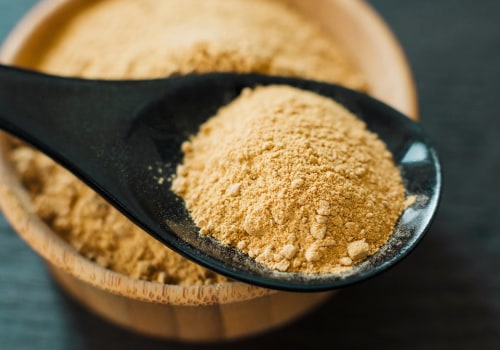
Maca root is available in various forms, including powder, capsules, and liquid extracts. The powdered form is the most versatile and commonly used in cooking and baking. When selecting a form of maca, consider your lifestyle and preferences:- Powder: Ideal for smoothies, oatmeal, or baked goods.
- Capsules: Convenient for those who prefer a quick supplement without the taste.
- Liquid Extract: Can be added to drinks for a concentrated dose.
Recommended Dosage
The safe dosage of maca root varies depending on individual health needs and the form used.Generally, it is recommended to start with a lower dose and gradually increase it:
- Powder: Begin with 1 teaspoon (about 3 grams) per day.
- Capsules: Follow the manufacturer’s instructions, typically ranging from 500 mg to 1,500 mg daily.
- Liquid Extract: Usually suggested at 1-2 ml per day.
Maca Root Recipes
Here are a few simple recipes to help you incorporate maca root into your daily meals:- Maca Smoothie:
Ingredients:
- 1 banana
- 1 cup almond milk
- 1 tablespoon maca powder
- 1 tablespoon peanut butter
- Ice cubes
Instructions:
Blend all ingredients until smooth. Enjoy as a nutritious breakfast or snack! - Maca Oatmeal:
Ingredients:
- 1 cup rolled oats
- 2 cups water or milk
- 1 tablespoon maca powder
- Honey or maple syrup to taste
Instructions:
Cook oats according to package instructions. Stir in maca powder and sweeten as desired. - Maca Energy Bites:
Ingredients:
- 1 cup dates, pitted
- 1 cup nuts (almonds or walnuts)
- 2 tablespoons maca powder
- Pinch of salt
Instructions:
Process all ingredients in a food processor until combined. Roll into small balls and refrigerate for a quick energy boost.
Always listen to your body and consult with a healthcare provider if you have any concerns about adding new supplements to your routine.
Potential Side Effects and Precautions with Maca Root Use
While maca root is celebrated for its numerous health benefits, it is essential to be aware of potential side effects and precautions associated with its use. Understanding these factors can help individuals make informed decisions about incorporating maca into their diets.Potential Side Effects of Maca Root
- Digestive Issues: Some individuals may experience gastrointestinal discomfort, including bloating, gas, or diarrhea, particularly when consuming high doses of maca. It is advisable to start with a lower dosage and gradually increase it to assess tolerance.
- Hormonal Effects: Maca root can influence hormone levels due to its adaptogenic properties. This may lead to changes in menstrual cycles for women or hormonal imbalances in sensitive individuals.
Those with hormone-sensitive conditions should consult a healthcare professional before use.
- Thyroid Concerns: As mentioned earlier, maca contains goitrogens, which can interfere with thyroid hormone production. Individuals with existing thyroid conditions or those taking thyroid medication should exercise caution and seek medical advice before using maca.
- Allergic Reactions: Although rare, some people may have an allergic reaction to maca. Symptoms can include itching, rash, or difficulty breathing. If any of these symptoms occur after consuming maca, it is crucial to discontinue use and seek medical attention.
Precautions for Specific Populations
- Pregnant and Breastfeeding Women: There is limited research on the safety of maca during pregnancy and lactation.
Therefore, it is recommended that pregnant or breastfeeding women avoid maca root unless advised otherwise by a healthcare provider.
- Individuals with Hormonal Disorders: Those with conditions such as polycystic ovary syndrome (PCOS), endometriosis, or prostate issues should consult a healthcare professional before using maca due to its potential hormonal effects.
- Children: The safety of maca root in children has not been well-studied. Parents should avoid giving maca supplements to children unless specifically directed by a pediatrician.
Conclusion: Weighing the Benefits Against Risks of Maca Root Consumption
In summary, the exploration of maca root benefits reveals a complex interplay between its potential advantages and the associated risks of long-term consumption. While maca has been celebrated for its ability to enhance sexual function, boost energy levels, and improve mood, it is crucial to approach its use with a balanced perspective. One of the most significant findings is that maca is generally safe for short-term use, with studies indicating that daily doses of up to 3 grams are well-tolerated by most individuals.However, the lack of extensive research on its long-term effects raises important questions about its safety over extended periods. As such, individuals considering maca as a supplement should be mindful of their health status and consult healthcare professionals when necessary. Moreover, the type of maca consumed can influence its effects. Different varieties—such as red, yellow, and black maca—may offer distinct benefits and risks. For instance, while some studies suggest that black maca may be particularly effective for enhancing libido and fertility, others indicate that red maca could be beneficial for reducing prostate size.
This variability underscores the need for further research to clarify how each type of maca interacts with the body. Another critical aspect to consider is the potential impact of maca on thyroid function. Given that maca contains goitrogens, individuals with thyroid conditions should exercise caution and seek medical advice before incorporating it into their diet. This precaution is essential to avoid any adverse effects on hormone production. Ultimately, while the allure of maca root benefits is undeniable, informed usage is paramount. By adhering to recommended dosages, choosing high-quality products that utilize traditional processing methods, and remaining aware of personal health conditions, individuals can safely explore the potential advantages of this ancient superfood.
As research continues to evolve, staying updated on new findings will further empower consumers to make educated decisions regarding their health and wellness.